About this artwork
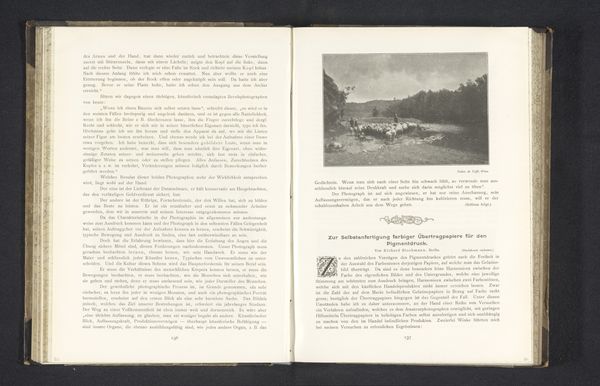
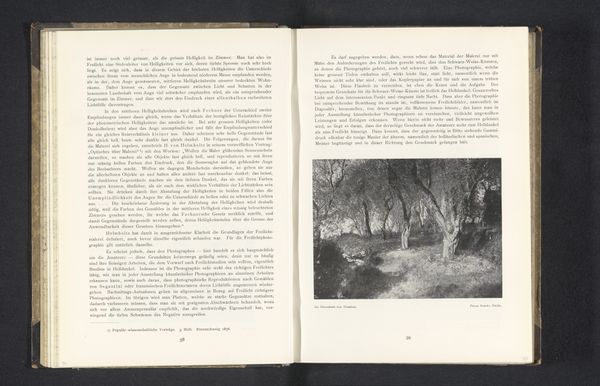
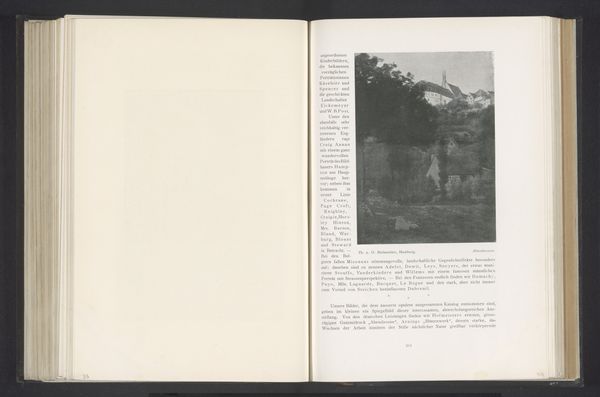
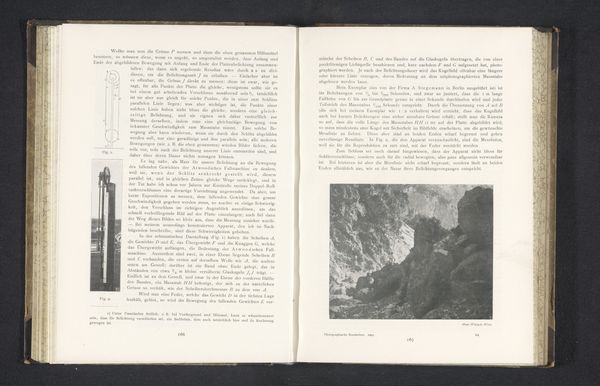
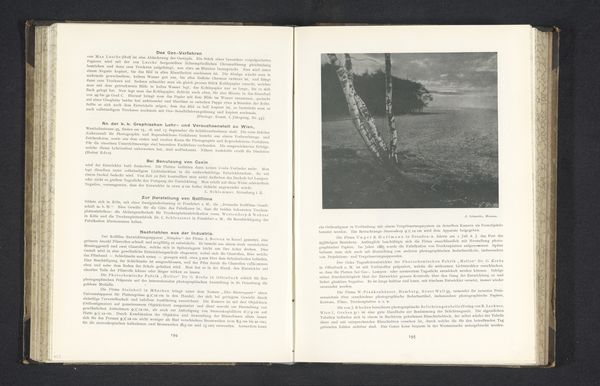
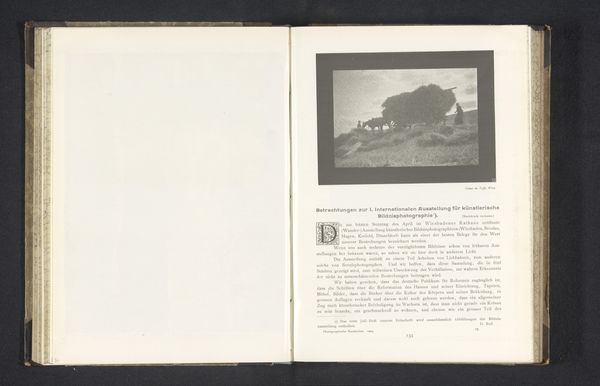
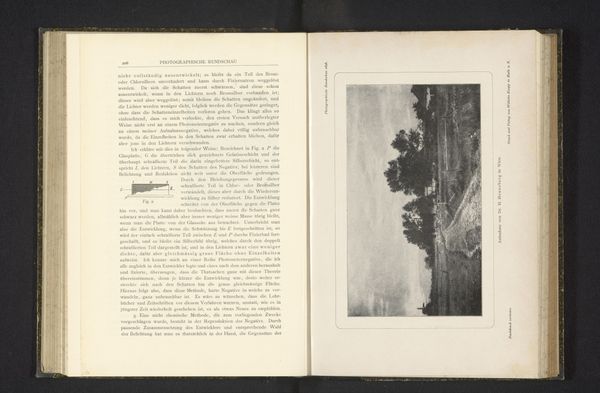
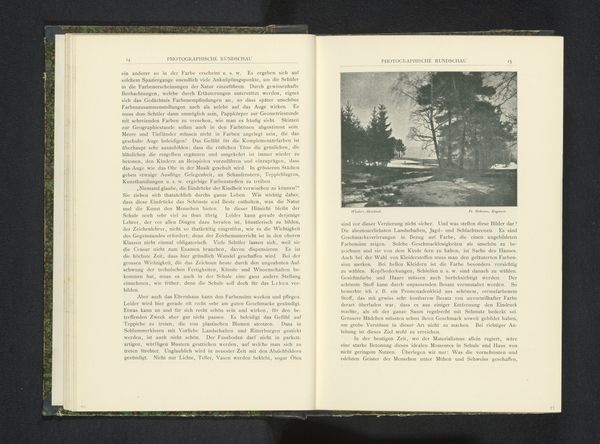
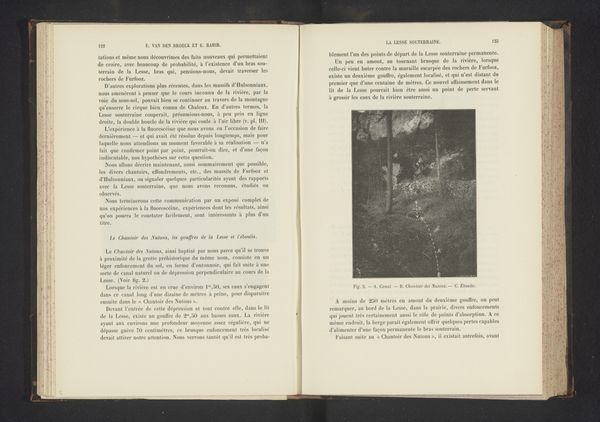
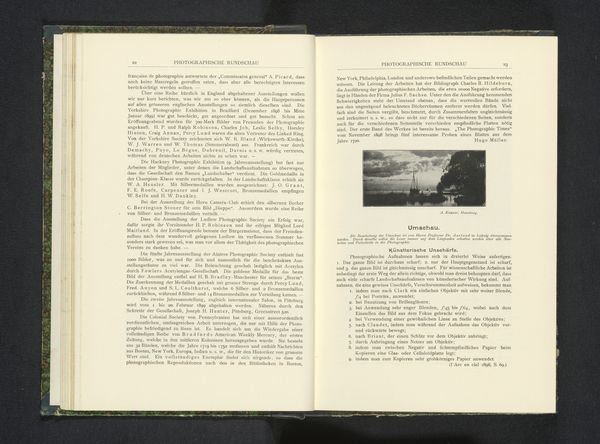
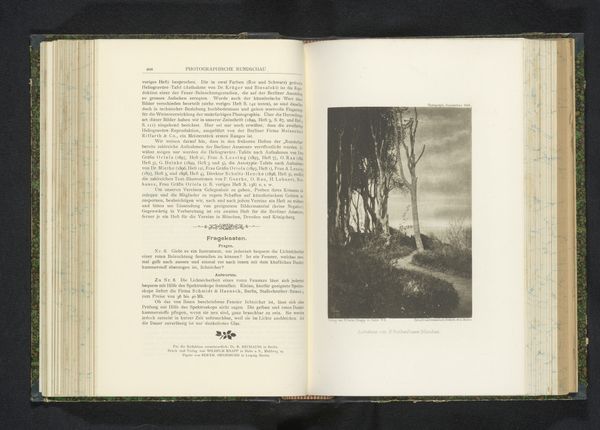
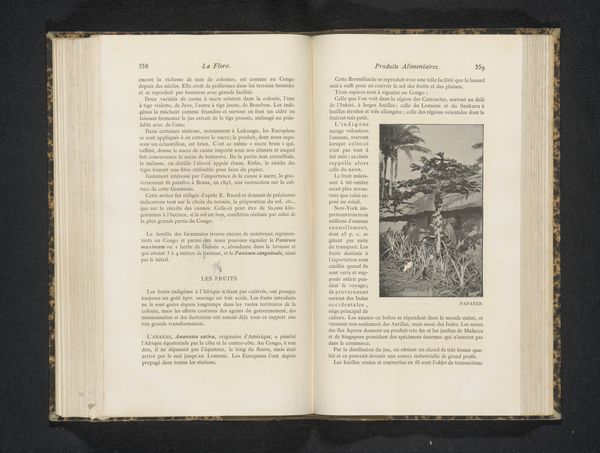
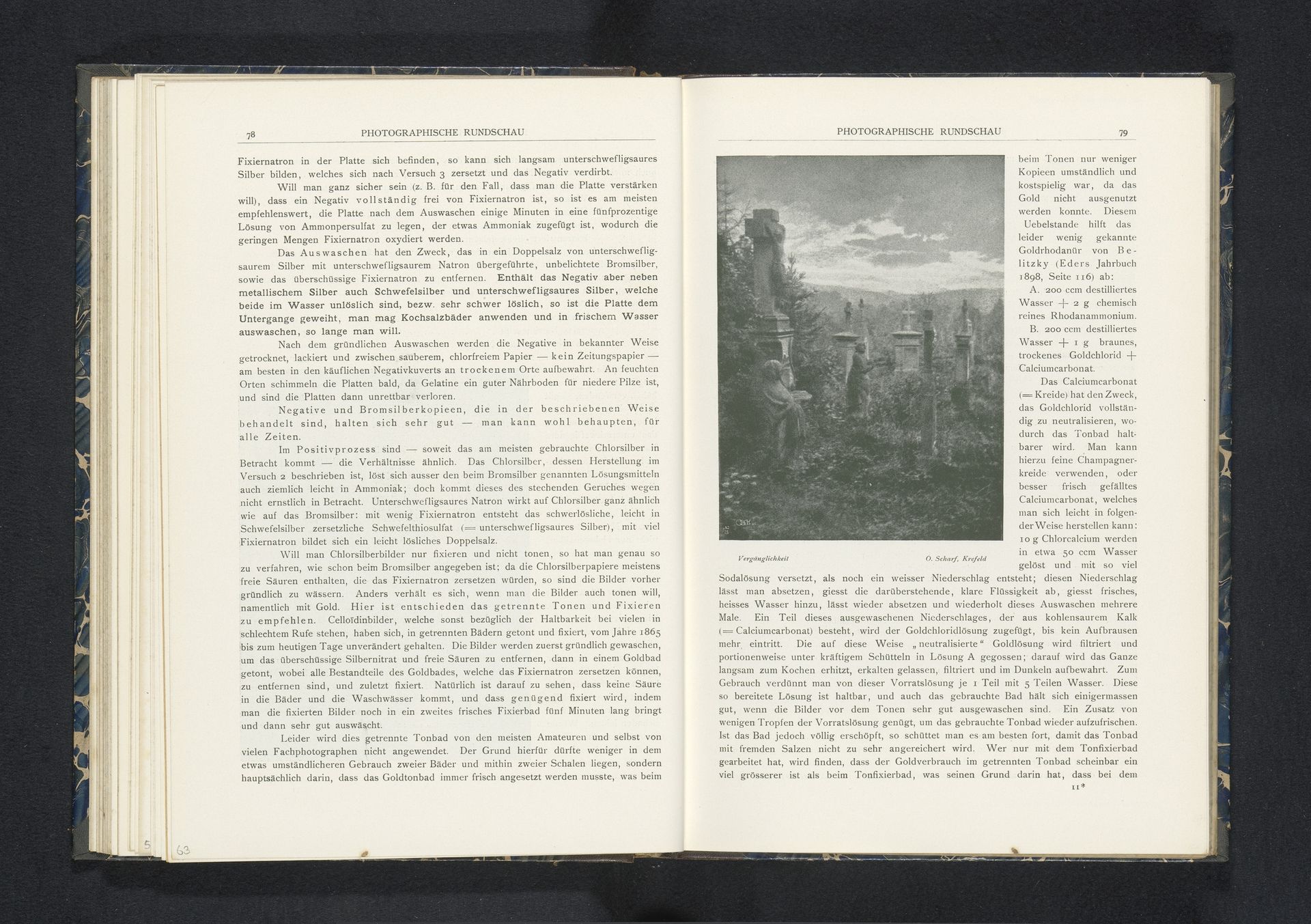
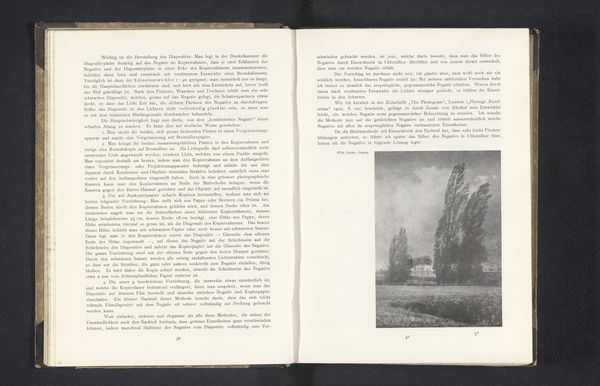
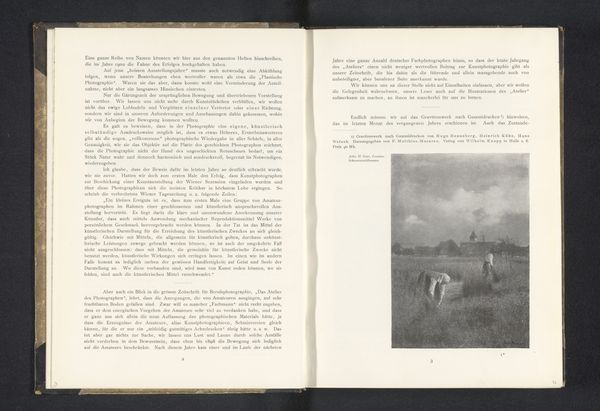
Curator: This is Otto Scharf's "Gezicht op een overwoekerde begraafplaats," created around 1900-1901, a gelatin-silver print capturing an overgrown cemetery scene. Editor: My first impression is that this is deeply melancholic. The monochrome tones, the density of the foliage, it speaks of time, loss, and the fragility of memory. Curator: Absolutely. Scharf, as a figure within the late 19th-century artistic milieu, often depicted landscapes imbued with socio-political undertones. Graveyards, particularly those in disrepair, became symbolic landscapes, representing societal decay or neglect. Editor: And there's something incredibly poignant about the 'overgrown' element, isn’t there? It’s not just death; it's a world left behind, nature reclaiming spaces meant for remembrance. You see the same impulse later in artists like Christian Boltanski, using personal archives to evoke memory. Curator: Yes, this piece reveals the societal attitudes toward death and mourning. The visual emphasis of overgrown vegetation challenges the romanticism prevalent at that time, instead suggesting a harsher, less idealized reality of mortality. This speaks to an emergent questioning of tradition. Editor: Considering the rise of industrialization and social upheaval around 1900, the overgrown cemetery could also represent anxieties around the past being forgotten in favor of a rapidly changing future. Who has the space and ability to preserve the lives and events of the past? Curator: Indeed. And if you consider that the work exists as a gelatin silver print, it highlights not just the artistic value but also the historical role photography served to document societal spaces during an era characterized by transition. Editor: Viewing it through a contemporary lens, I consider whose stories are perpetually erased from our collective memory—whose narratives are systematically overlooked. The image challenges us to look closely at spaces both visible and concealed. Curator: The image presents layers of complexity that challenge conventional interpretations of beauty, mortality, and collective amnesia. Editor: It calls on us to challenge systems and structures that cause an active obscuring of both material realities and our histories, too.
Artwork details
- Medium
- print, photography, gelatin-silver-print
- Dimensions
- height 133 mm, width 98 mm
- Copyright
- Rijks Museum: Open Domain
Tags
Comments
Share your thoughts
About this artwork
Curator: This is Otto Scharf's "Gezicht op een overwoekerde begraafplaats," created around 1900-1901, a gelatin-silver print capturing an overgrown cemetery scene. Editor: My first impression is that this is deeply melancholic. The monochrome tones, the density of the foliage, it speaks of time, loss, and the fragility of memory. Curator: Absolutely. Scharf, as a figure within the late 19th-century artistic milieu, often depicted landscapes imbued with socio-political undertones. Graveyards, particularly those in disrepair, became symbolic landscapes, representing societal decay or neglect. Editor: And there's something incredibly poignant about the 'overgrown' element, isn’t there? It’s not just death; it's a world left behind, nature reclaiming spaces meant for remembrance. You see the same impulse later in artists like Christian Boltanski, using personal archives to evoke memory. Curator: Yes, this piece reveals the societal attitudes toward death and mourning. The visual emphasis of overgrown vegetation challenges the romanticism prevalent at that time, instead suggesting a harsher, less idealized reality of mortality. This speaks to an emergent questioning of tradition. Editor: Considering the rise of industrialization and social upheaval around 1900, the overgrown cemetery could also represent anxieties around the past being forgotten in favor of a rapidly changing future. Who has the space and ability to preserve the lives and events of the past? Curator: Indeed. And if you consider that the work exists as a gelatin silver print, it highlights not just the artistic value but also the historical role photography served to document societal spaces during an era characterized by transition. Editor: Viewing it through a contemporary lens, I consider whose stories are perpetually erased from our collective memory—whose narratives are systematically overlooked. The image challenges us to look closely at spaces both visible and concealed. Curator: The image presents layers of complexity that challenge conventional interpretations of beauty, mortality, and collective amnesia. Editor: It calls on us to challenge systems and structures that cause an active obscuring of both material realities and our histories, too.
Comments
Share your thoughts