1834 - 1911
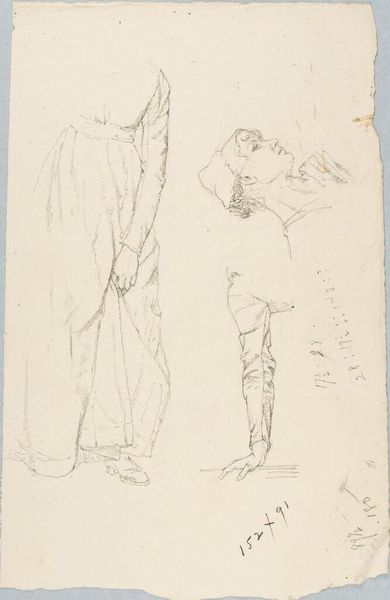
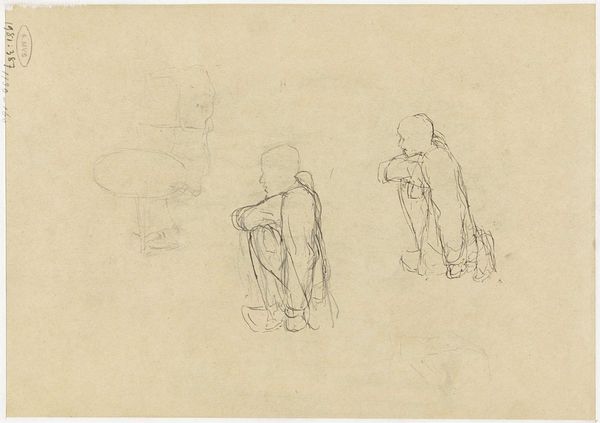
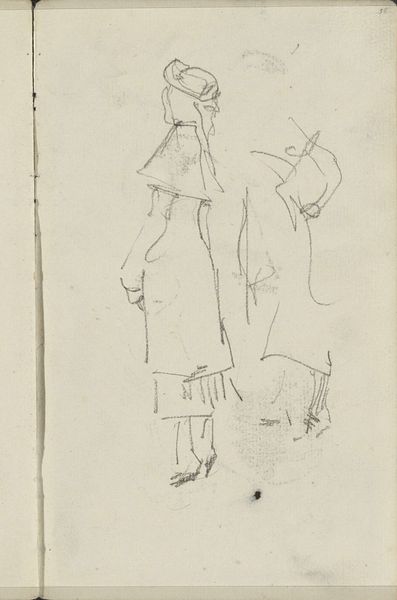
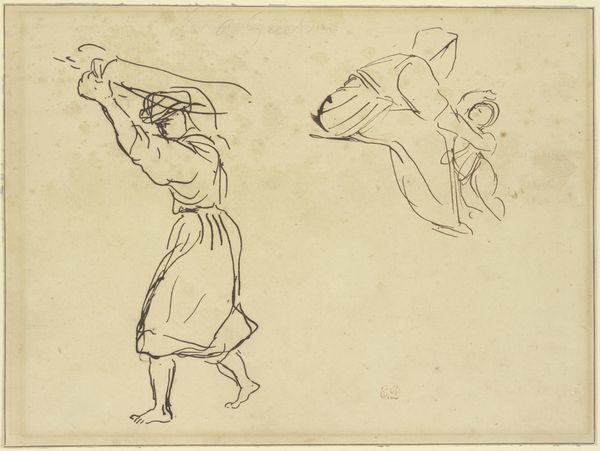
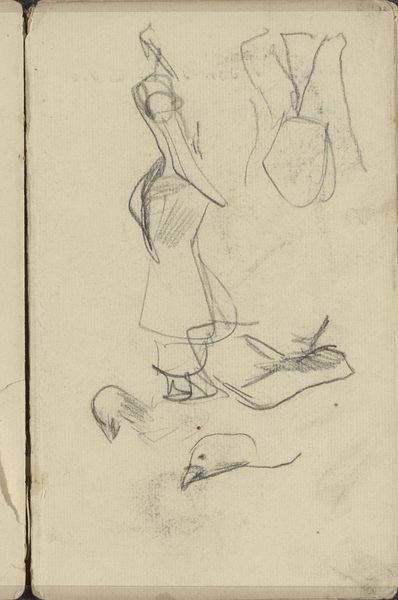
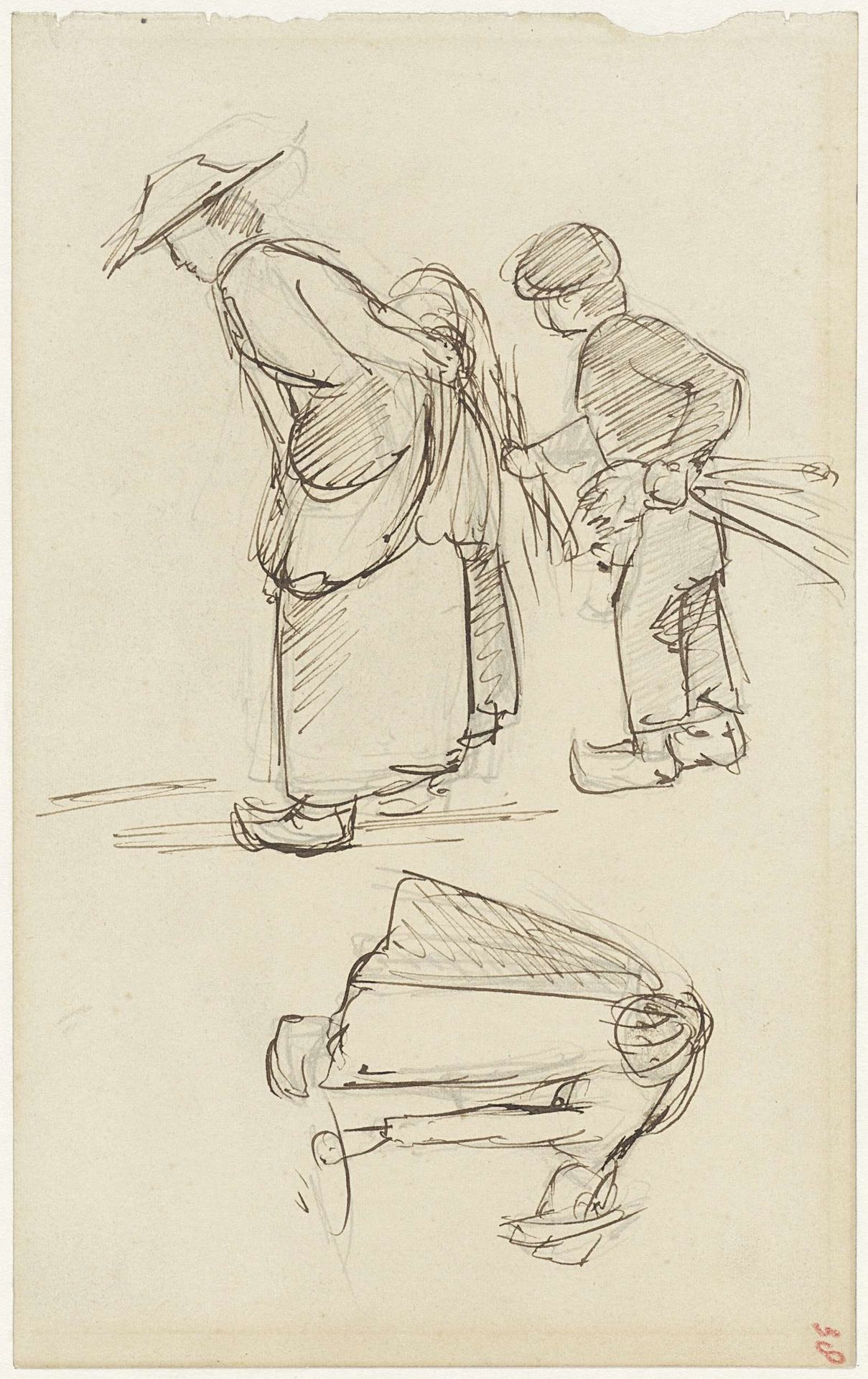
Twee studies van een werkende vrouw en een jongen

Jozef Israëls
1824 - 1911Location
RijksmuseumListen to curator's interpretation
Curatorial notes
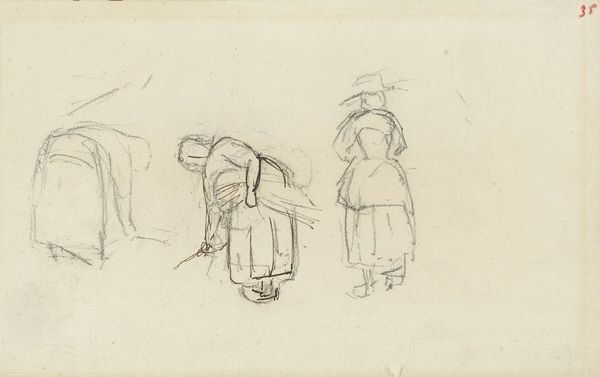
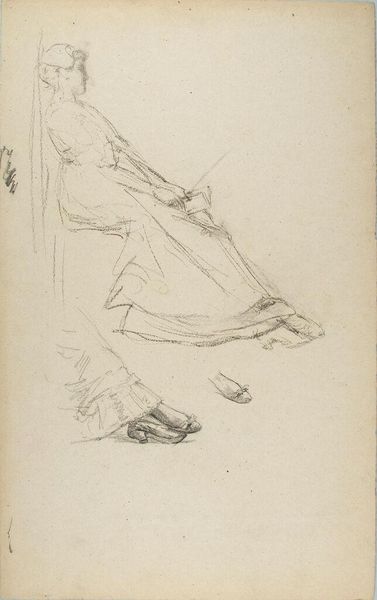
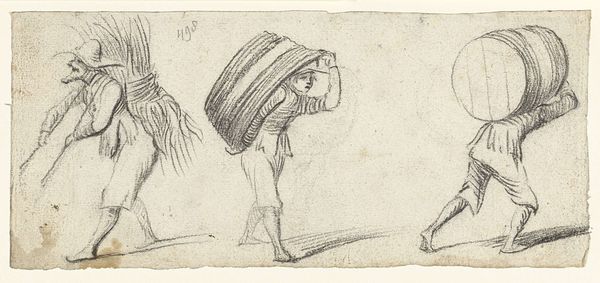
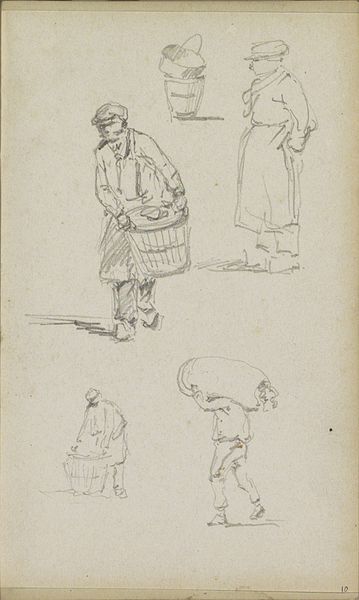
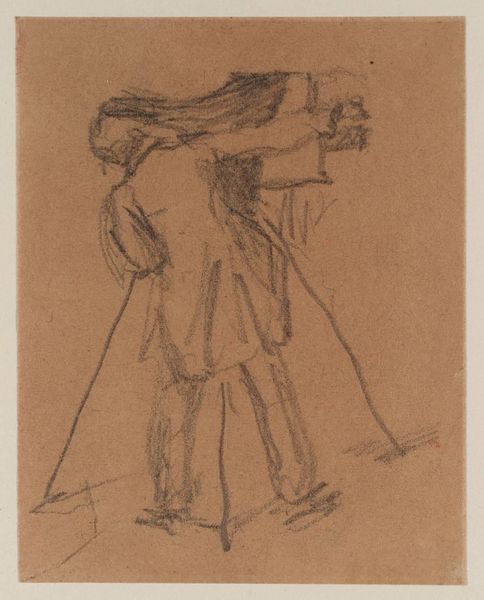
Jozef Israëls made these studies of a working woman and a boy in the Netherlands sometime in the late 19th century, using graphite on paper. The fleeting lines of graphite lend themselves to the sketch-like quality of the image. They perfectly capture the figures’ postures and clothing, worn from work. The simplicity of the medium creates an intimacy, inviting us to reflect on the daily lives of working-class individuals. Graphite, a readily available material, underscores the accessibility of art-making and the potential for anyone to capture the world around them. Here, the artist engages with the tradition of drawing as a preparatory step for larger works. Yet, the inherent value in this work lies in the skill of conveying the dignity of labor through careful observation and deft execution. Ultimately, this artwork underscores the significance of materials and processes in understanding the social and cultural context of art, challenging traditional hierarchies between fine art and craft.