About this artwork
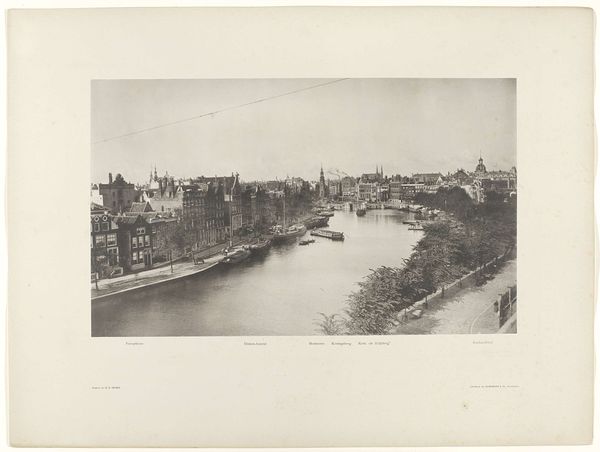
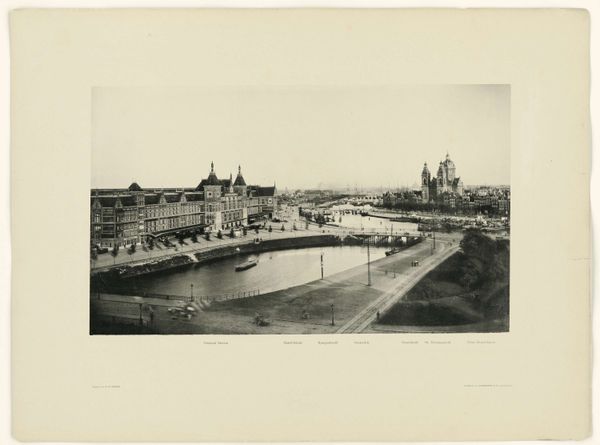
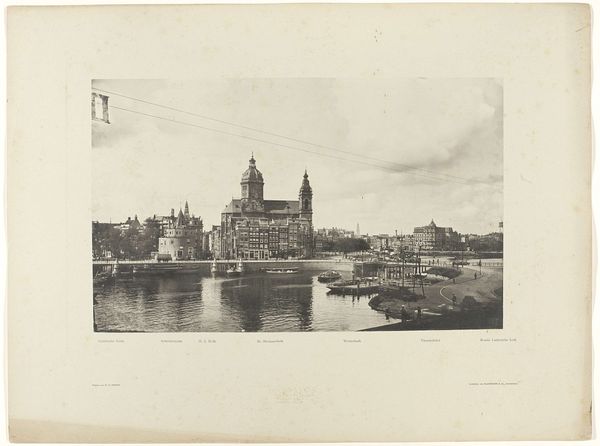
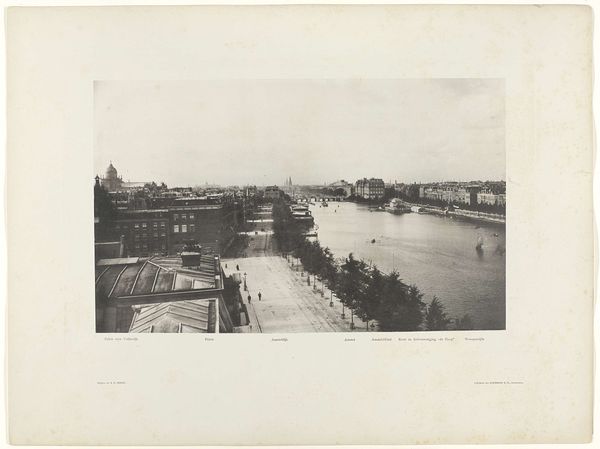
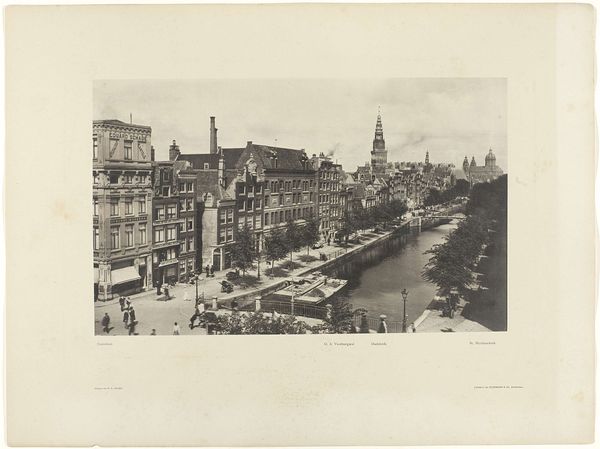
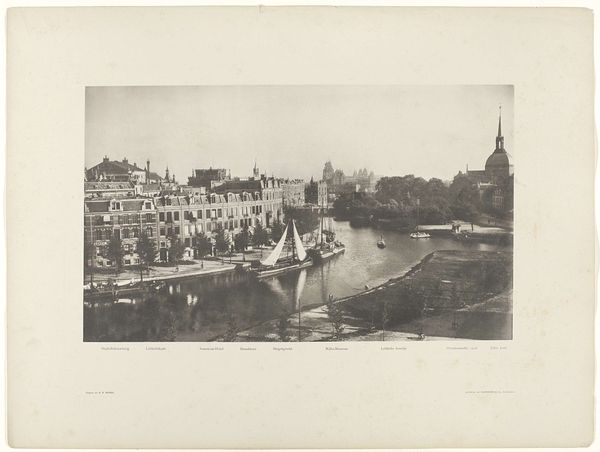
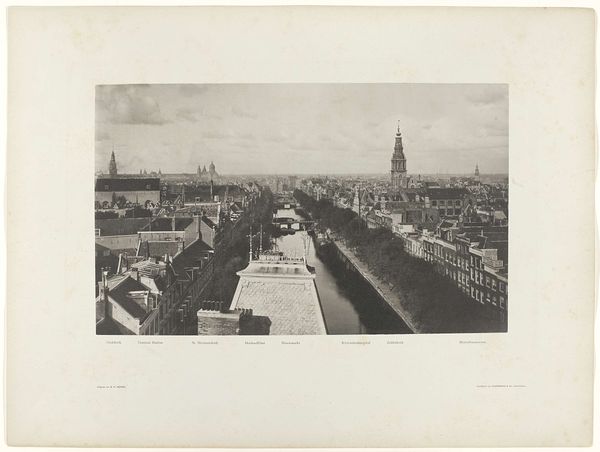
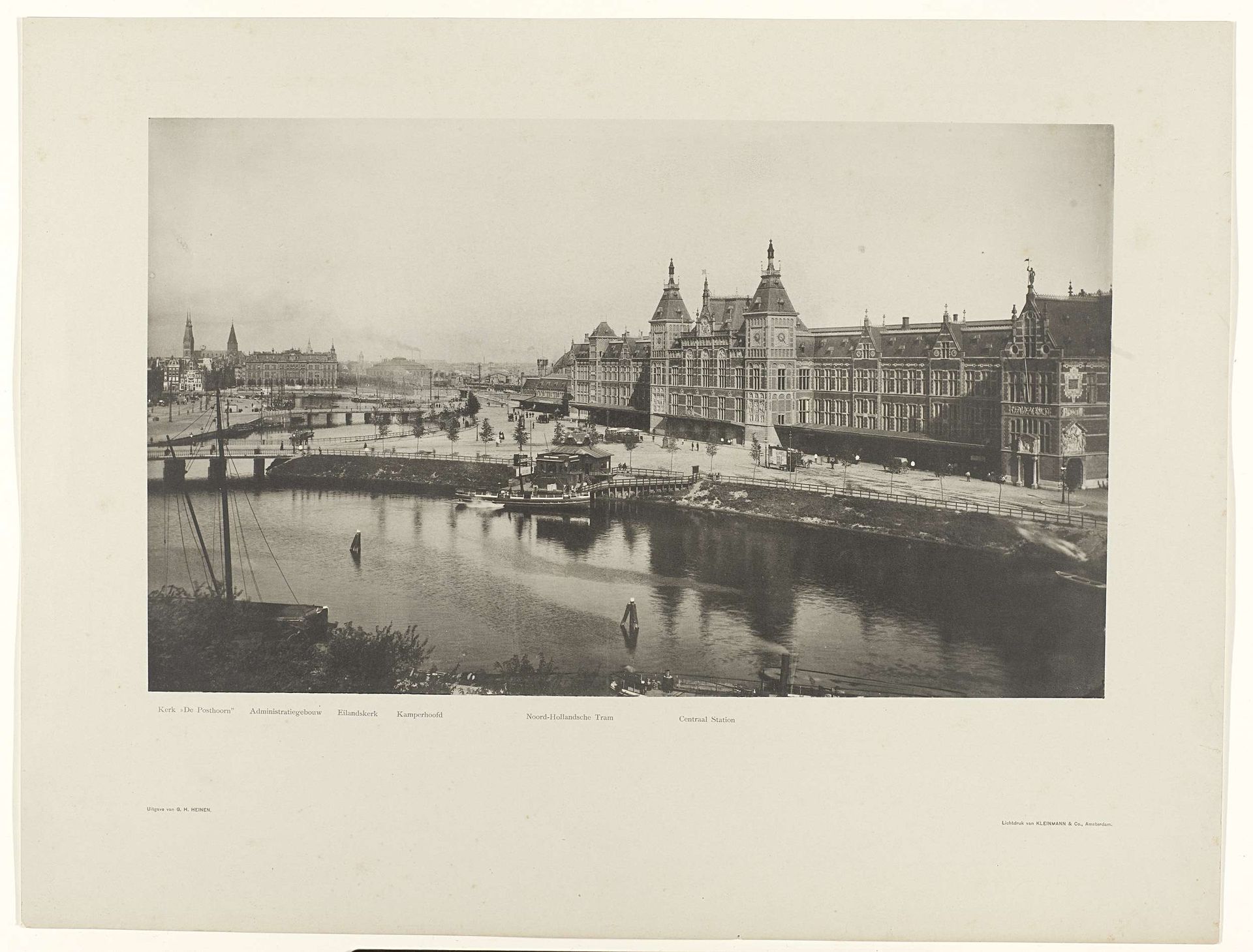
This is a photograph of Amsterdam Centraal Station as seen from the Sint-Nicolaaskerk, made by Gerrit Hendricus Heinen. The image captures a pivotal moment in Amsterdam's history, reflecting the city's embrace of modernity and industrial progress at the turn of the century. As an art historian, I’m interested in the way that the picture creates meaning through visual codes and historical associations. The Central Station, prominently featured, was a symbol of connectivity and expansion. Built on reclaimed land, it physically and metaphorically reshaped the city, mirroring broader trends in Europe. The Sint-Nicolaaskerk in the foreground is representative of a traditional society, and provides a contrasting viewpoint. In its time, this new station challenged the dominance of the church. To truly understand this photograph, we can delve into the archives, exploring urban development plans, social commentaries, and the experiences of the people who witnessed Amsterdam's transformation. The image gains richer meaning once it is put into its social and institutional context.
Centraal Station, gezien vanaf de Sint-Nicolaaskerk, Amsterdam
before 1894

Artwork details
- Dimensions
- height 278 mm, width 463 mm, height 441 mm, width 585 mm
- Copyright
- Rijks Museum: Open Domain
Tags
Comments
Share your thoughts
About this artwork
This is a photograph of Amsterdam Centraal Station as seen from the Sint-Nicolaaskerk, made by Gerrit Hendricus Heinen. The image captures a pivotal moment in Amsterdam's history, reflecting the city's embrace of modernity and industrial progress at the turn of the century. As an art historian, I’m interested in the way that the picture creates meaning through visual codes and historical associations. The Central Station, prominently featured, was a symbol of connectivity and expansion. Built on reclaimed land, it physically and metaphorically reshaped the city, mirroring broader trends in Europe. The Sint-Nicolaaskerk in the foreground is representative of a traditional society, and provides a contrasting viewpoint. In its time, this new station challenged the dominance of the church. To truly understand this photograph, we can delve into the archives, exploring urban development plans, social commentaries, and the experiences of the people who witnessed Amsterdam's transformation. The image gains richer meaning once it is put into its social and institutional context.
Comments
Share your thoughts