About this artwork
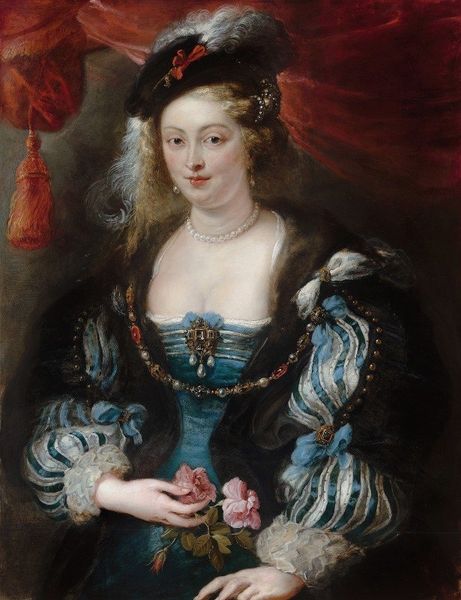
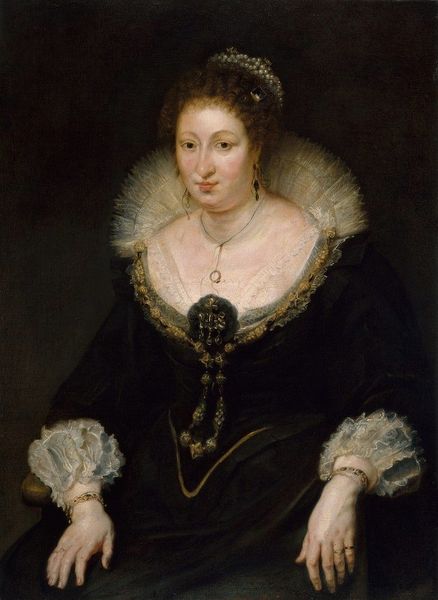
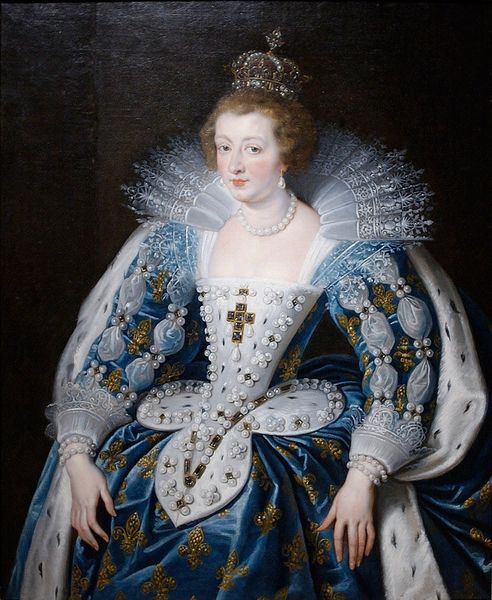
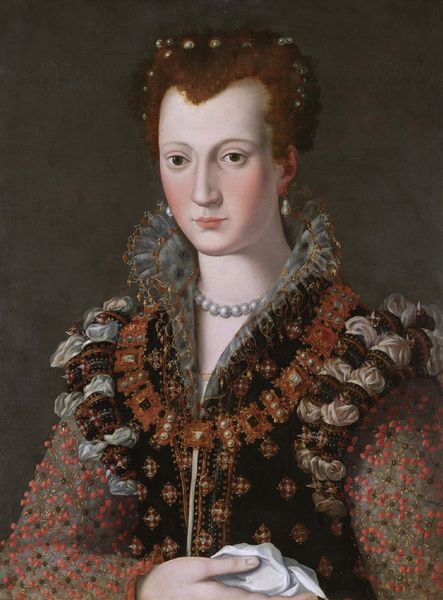
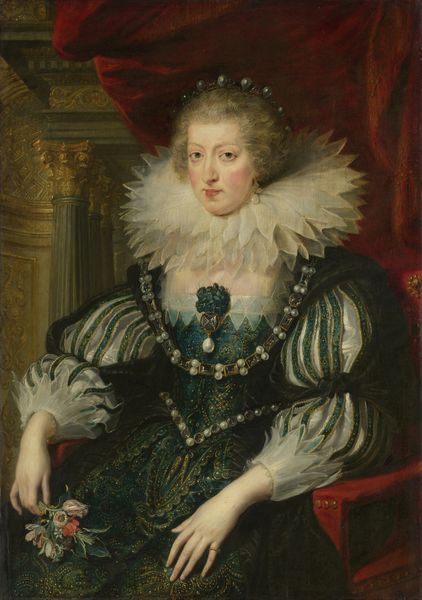
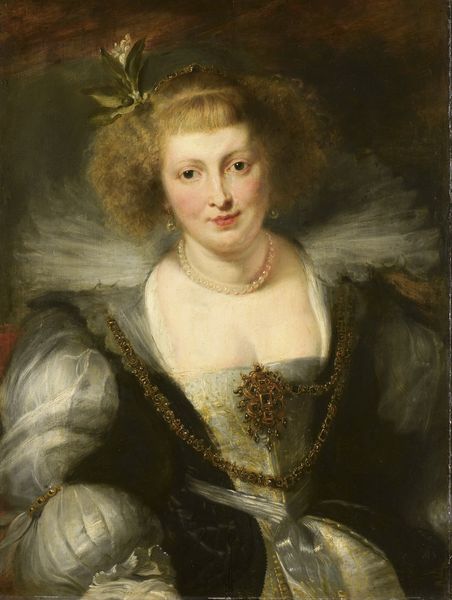
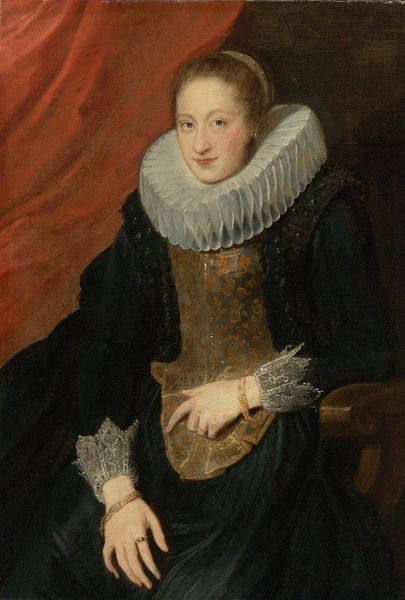
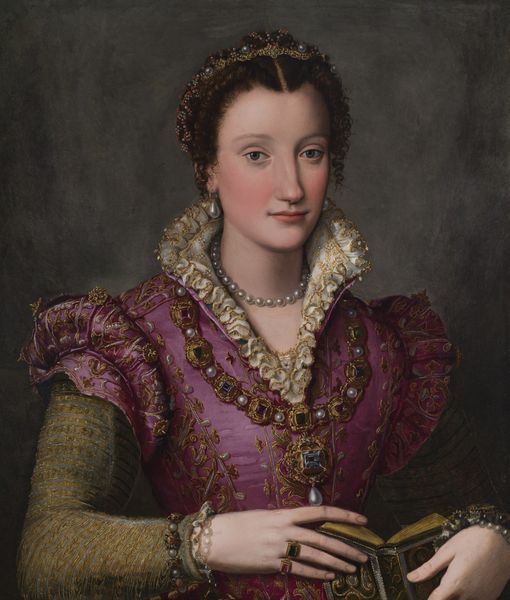
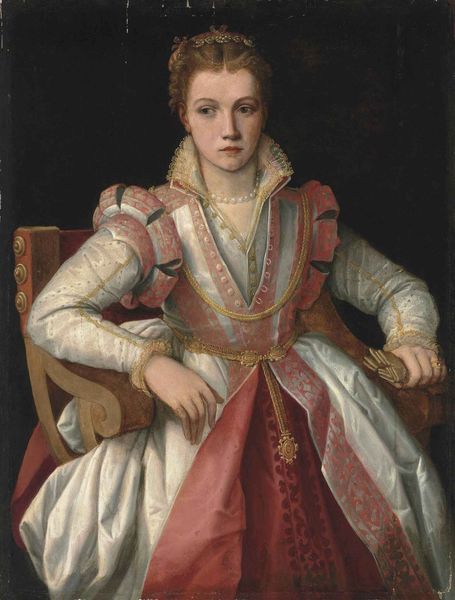
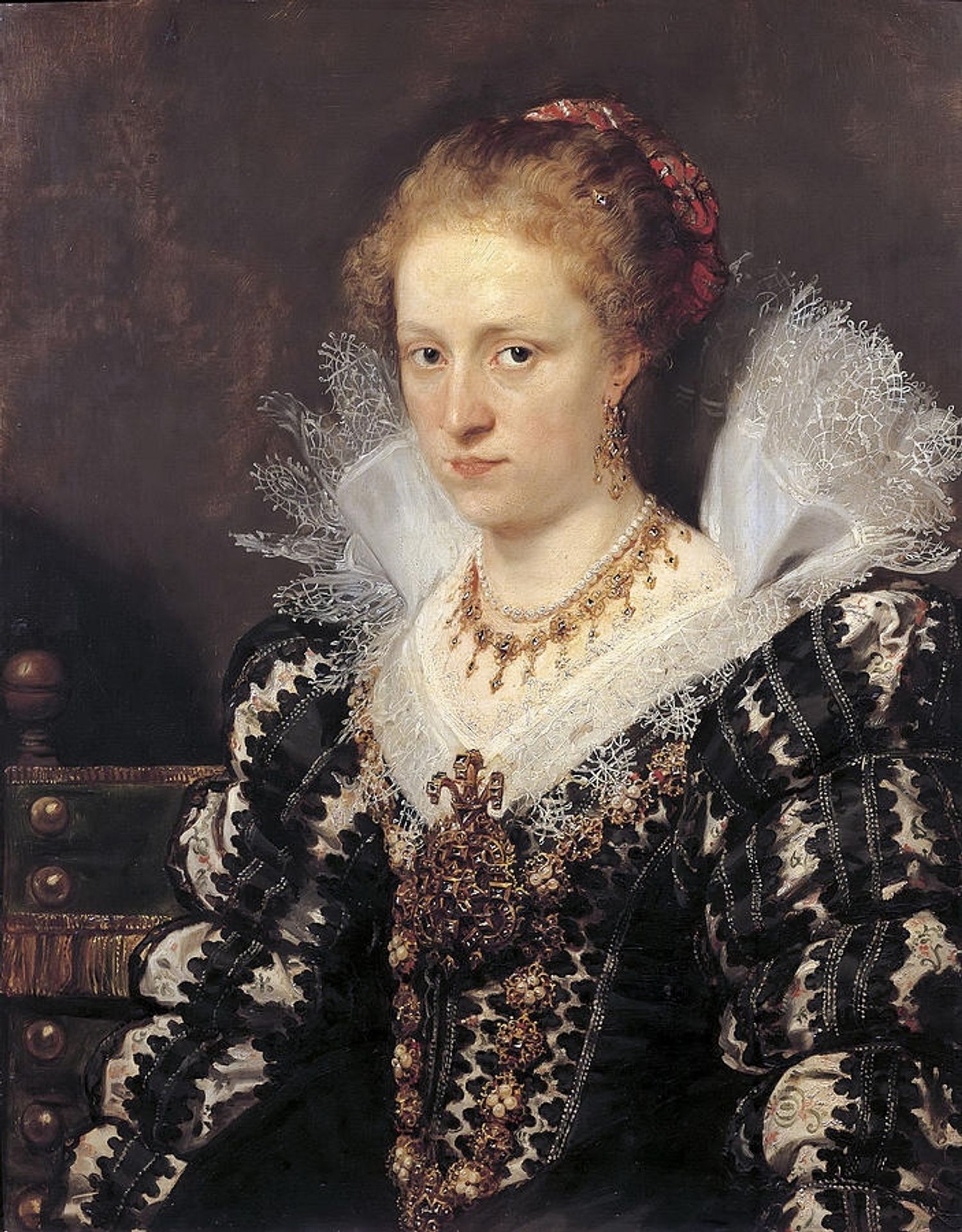
Peter Paul Reubens painted this portrait of Jacqueline Van Caestre, wife of Jean Charles De Cordes, in the early 17th century. Looking at this image, we see a woman of status, adorned in expensive jewelry, and wearing an elaborate dress, but it's important to remember that images such as these were about more than just capturing a likeness. In the 17th century, the Dutch Republic was a society in which wealth was increasingly important. The rise of a wealthy merchant class meant that status was no longer simply a matter of birth, and portraits like this were a means of signalling social position. Rubens, as a leading artist of his day, was very alive to this new social dynamic. In this portrait, the artist uses his technical skill to paint a portrait of a woman but he is also reflecting the changing social structures of the Dutch Republic. To understand this period better, we can look at a range of sources, from historical documents, economic data, and of course, the paintings themselves. Together, these resources can help us better understand the place of art in the broader social and political context.
Portrait of Jacqueline Van Caestre Wife of Jean Charles De Cordes

Artwork details
- Medium
- painting, oil-paint
- Copyright
- Public domain
Tags
Comments
Share your thoughts
About this artwork
Peter Paul Reubens painted this portrait of Jacqueline Van Caestre, wife of Jean Charles De Cordes, in the early 17th century. Looking at this image, we see a woman of status, adorned in expensive jewelry, and wearing an elaborate dress, but it's important to remember that images such as these were about more than just capturing a likeness. In the 17th century, the Dutch Republic was a society in which wealth was increasingly important. The rise of a wealthy merchant class meant that status was no longer simply a matter of birth, and portraits like this were a means of signalling social position. Rubens, as a leading artist of his day, was very alive to this new social dynamic. In this portrait, the artist uses his technical skill to paint a portrait of a woman but he is also reflecting the changing social structures of the Dutch Republic. To understand this period better, we can look at a range of sources, from historical documents, economic data, and of course, the paintings themselves. Together, these resources can help us better understand the place of art in the broader social and political context.
Comments
Share your thoughts