About this artwork
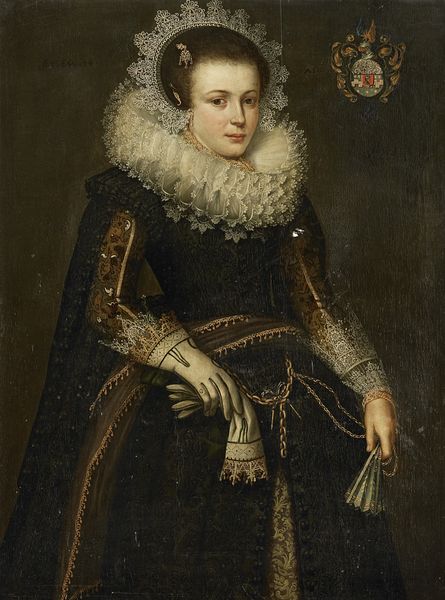
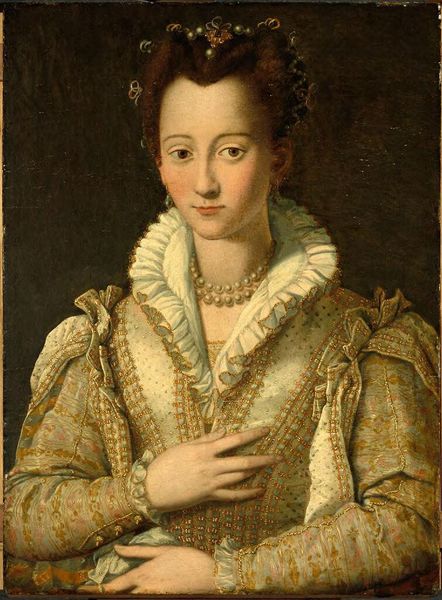
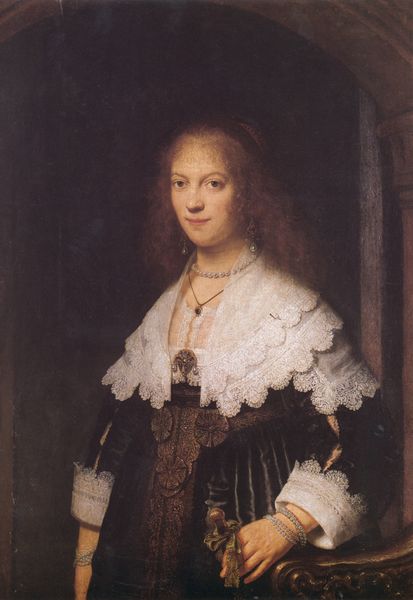
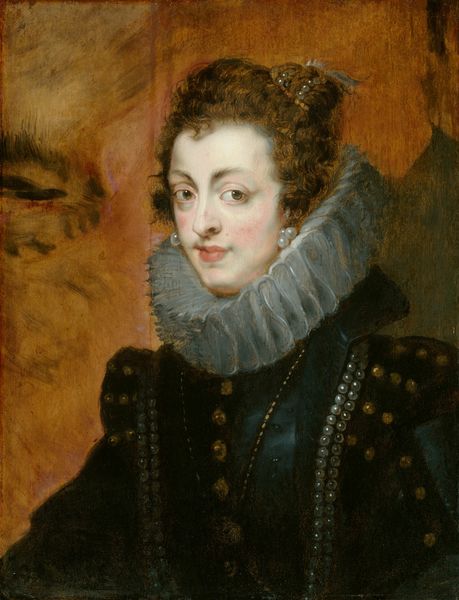
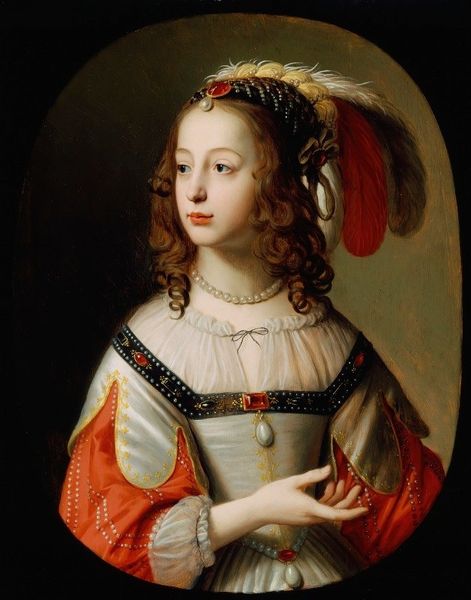
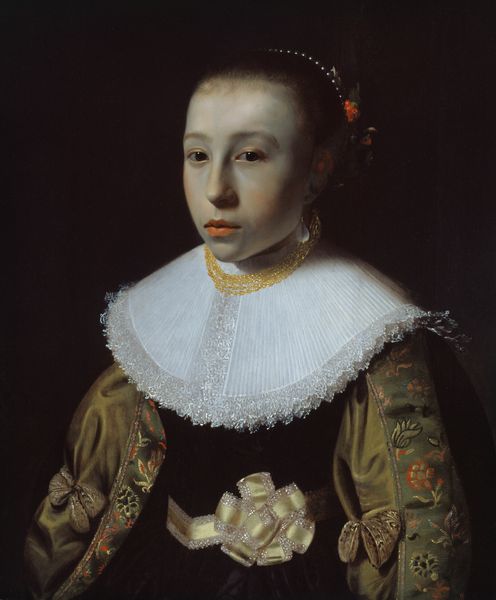
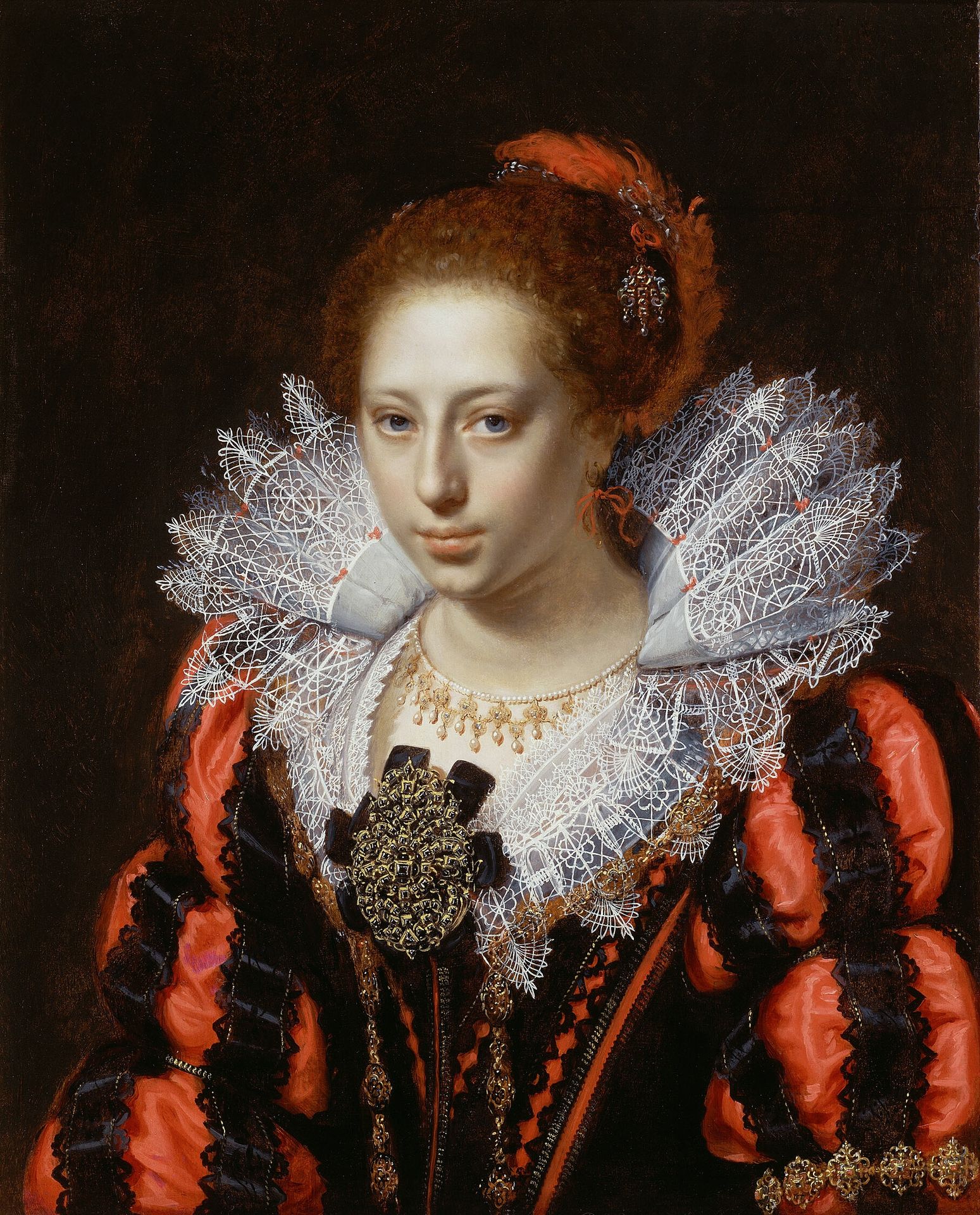
Paulus Moreelse painted this portrait of a young lady with oil on canvas. Dominating the composition is the elaborate lace collar, a symbol of status and refinement in the 17th century. These collars are intricately crafted, reflecting a mastery of technique and attention to detail. In a symbolic sense, they simultaneously reveal and conceal, a visual echo of societal norms that both prized and restricted female expression. Observe the sitter’s gaze, which carries a heavy sense of composure. This can be connected to the Madonnas of Renaissance art. This motif evokes a sense of inner peace and strength that reflects the psychological complexity beneath the surface. Throughout history, the elaborate collar has reappeared in many guises. It evolves from a marker of aristocracy to a symbol of feminine identity, each iteration carries the weight of cultural memory. It serves as a powerful reminder of how symbols transcend time.
Portrait of a Young Lady c. 1620


Artwork details
- Medium
- painting, oil-paint
- Dimensions
- 71.5 × 57.4 cm (28 1/8 × 22 5/8 in.)
- Location
- The Art Institute of Chicago
- Copyright
- Public Domain
Tags
portrait
baroque
dutch-golden-age
painting
oil-paint
academic-art
realism
Comments
No comments
About this artwork
Paulus Moreelse painted this portrait of a young lady with oil on canvas. Dominating the composition is the elaborate lace collar, a symbol of status and refinement in the 17th century. These collars are intricately crafted, reflecting a mastery of technique and attention to detail. In a symbolic sense, they simultaneously reveal and conceal, a visual echo of societal norms that both prized and restricted female expression. Observe the sitter’s gaze, which carries a heavy sense of composure. This can be connected to the Madonnas of Renaissance art. This motif evokes a sense of inner peace and strength that reflects the psychological complexity beneath the surface. Throughout history, the elaborate collar has reappeared in many guises. It evolves from a marker of aristocracy to a symbol of feminine identity, each iteration carries the weight of cultural memory. It serves as a powerful reminder of how symbols transcend time.
Comments
No comments