About this artwork
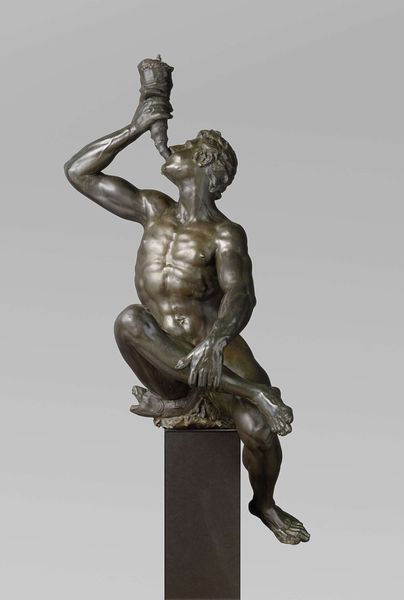
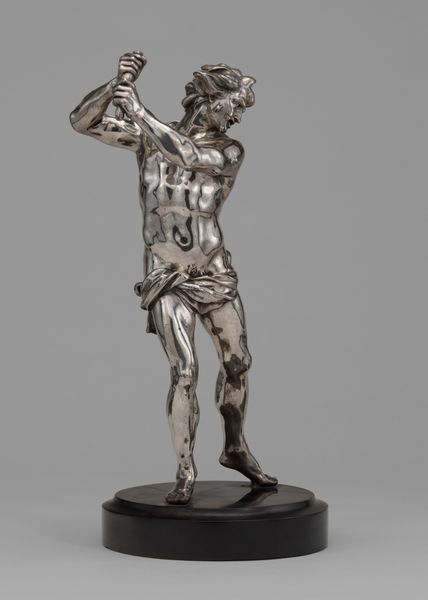
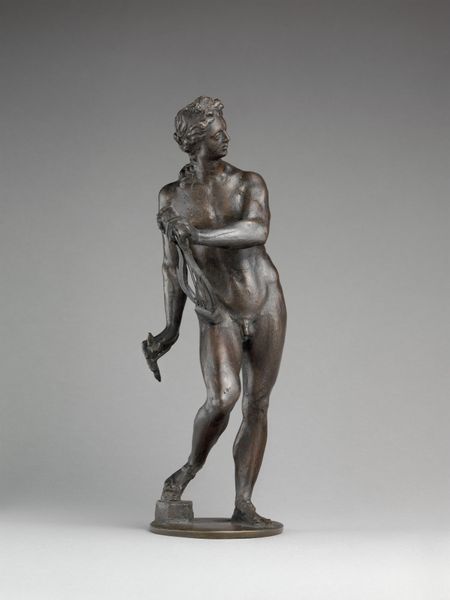
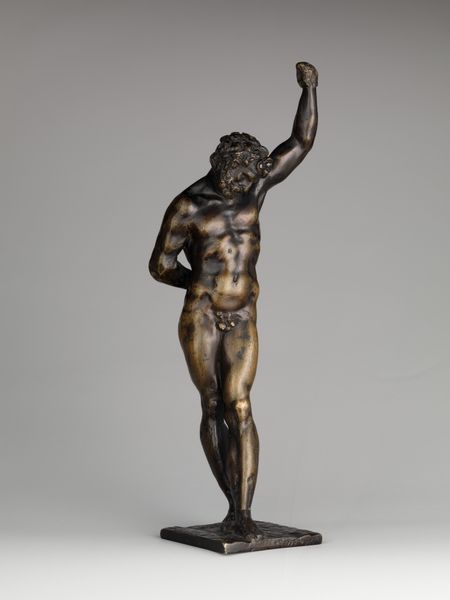
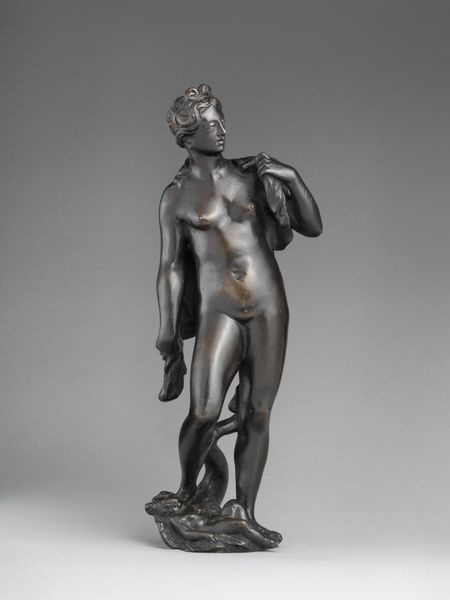
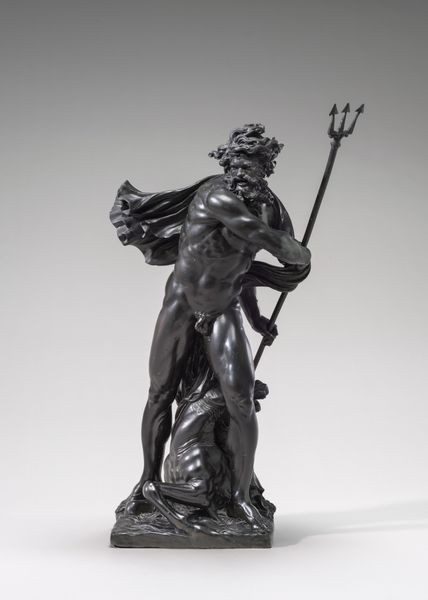
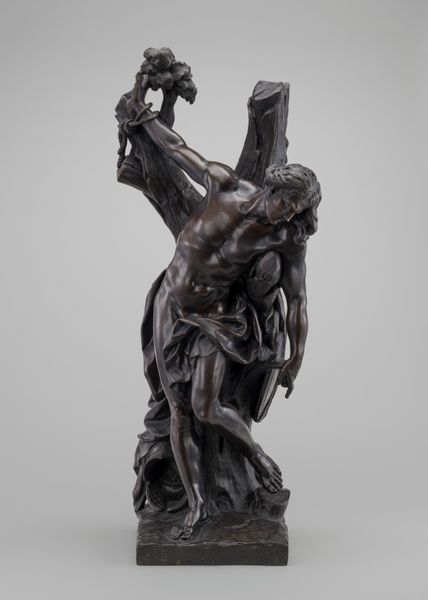
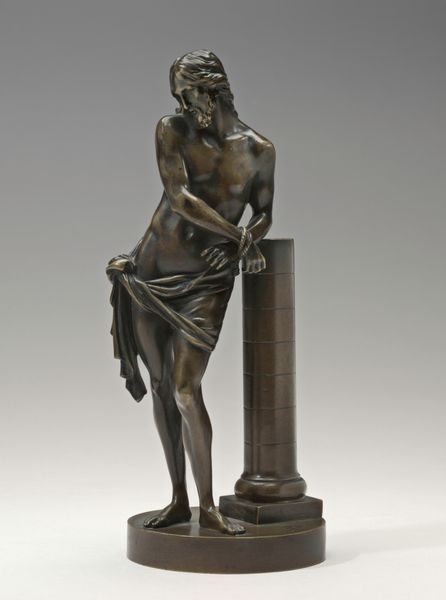
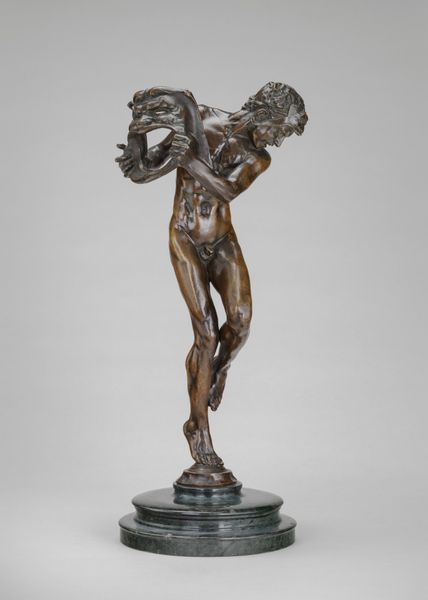
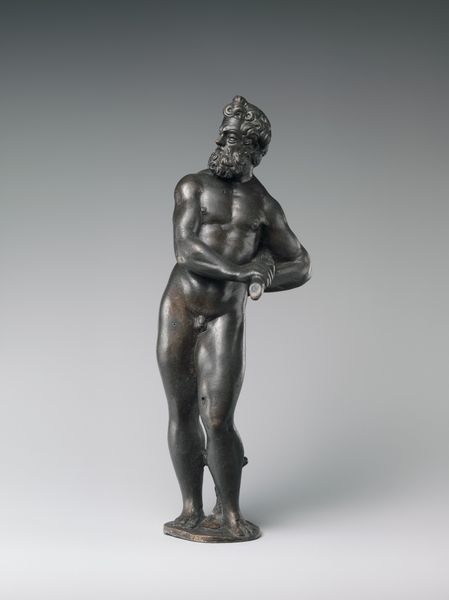
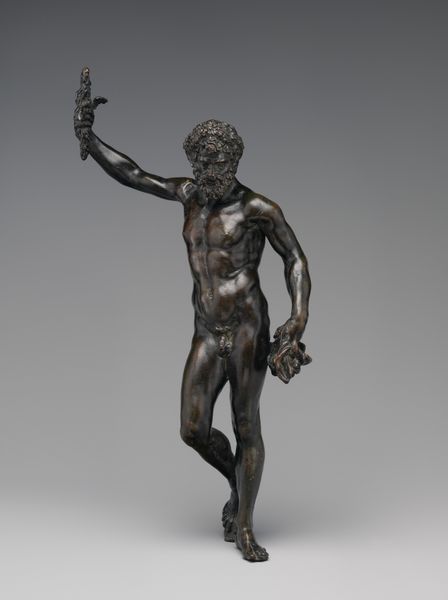
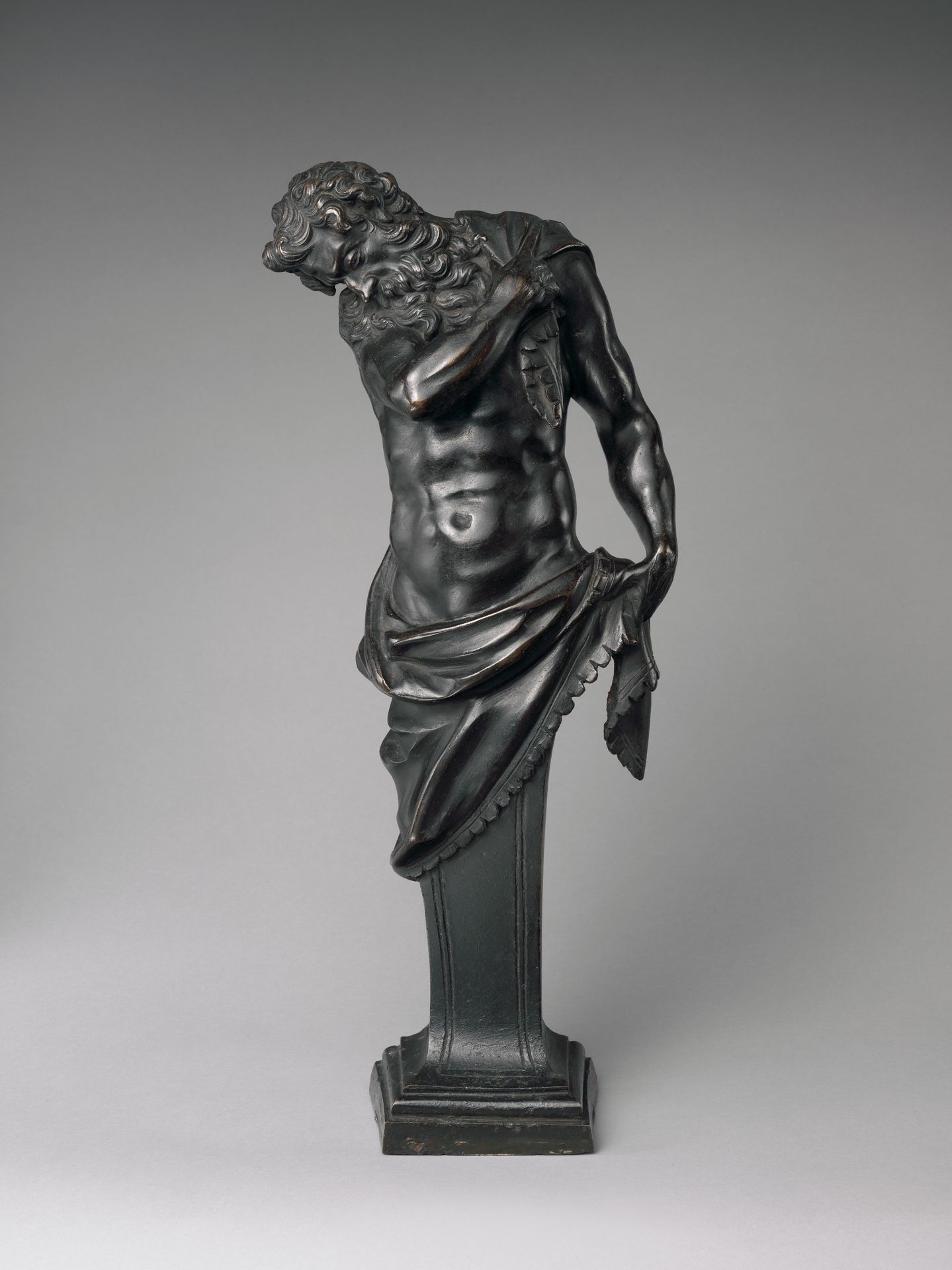
Annibale Fontana crafted this bronze sculpture, "Male Term Figure," sometime in the late 16th century. The dark bronze is meticulously sculpted; the artist has masterfully rendered the male figure with an exaggerated musculature and deeply shadowed recesses. The figure's downturned gaze creates a composition of contrasting textures and planes, from the smoothness of the torso to the intricate details of the hair and beard. Fontana employs the classical understanding of human anatomy but disrupts it through the figure's somewhat melancholic posture. This challenges the heroic ideal often associated with male nudes during the Renaissance. The work also engages with Mannerist aesthetics, as the artist manipulates the form to create a sense of dynamic tension and emotional complexity. By combining classical form with expressive distortion, Fontana invites us to reconsider the boundaries between idealization and realism, power, and vulnerability.
Male term figure 1675 - 1699


Artwork details
- Medium
- bronze, sculpture
- Dimensions
- Overall (confirmed): 21 1/8 × 8 5/8 × 4 5/8 in. (53.7 × 21.9 × 11.7 cm)
- Location
- Metropolitan Museum of Art, New York, NY
- Copyright
- Public Domain
Tags
baroque
sculpture
bronze
figuration
sculpture
academic-art
decorative-art
nude
Comments
No comments
About this artwork
Annibale Fontana crafted this bronze sculpture, "Male Term Figure," sometime in the late 16th century. The dark bronze is meticulously sculpted; the artist has masterfully rendered the male figure with an exaggerated musculature and deeply shadowed recesses. The figure's downturned gaze creates a composition of contrasting textures and planes, from the smoothness of the torso to the intricate details of the hair and beard. Fontana employs the classical understanding of human anatomy but disrupts it through the figure's somewhat melancholic posture. This challenges the heroic ideal often associated with male nudes during the Renaissance. The work also engages with Mannerist aesthetics, as the artist manipulates the form to create a sense of dynamic tension and emotional complexity. By combining classical form with expressive distortion, Fontana invites us to reconsider the boundaries between idealization and realism, power, and vulnerability.
Comments
No comments