c. 1857
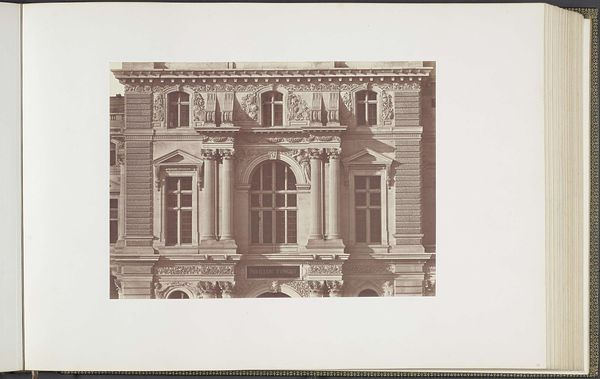
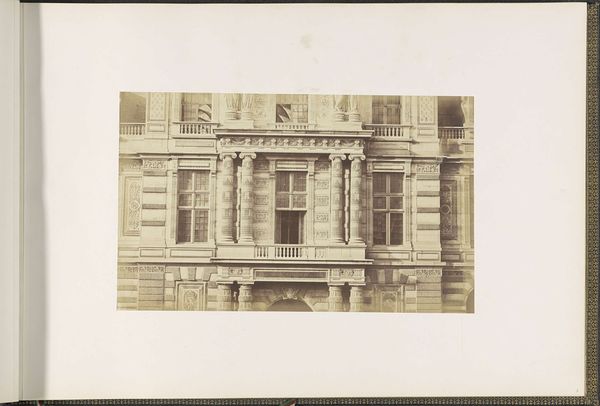
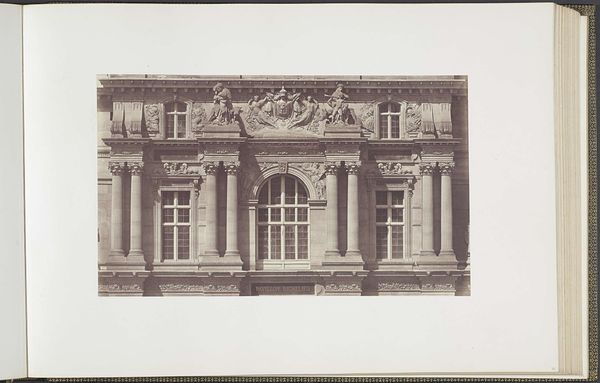
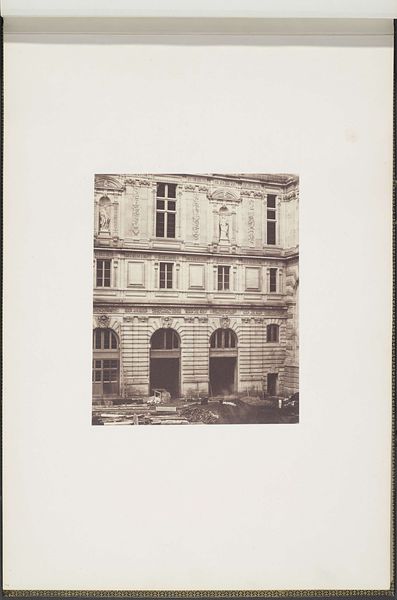
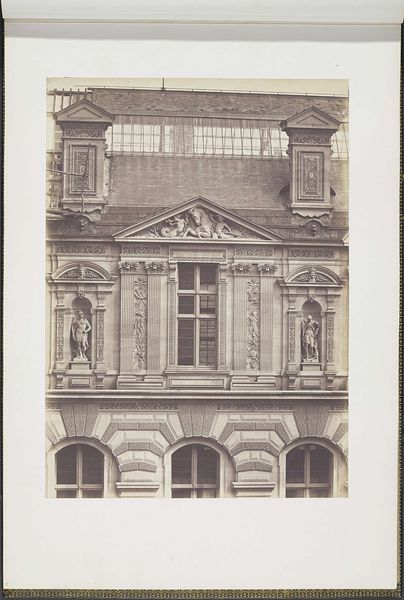
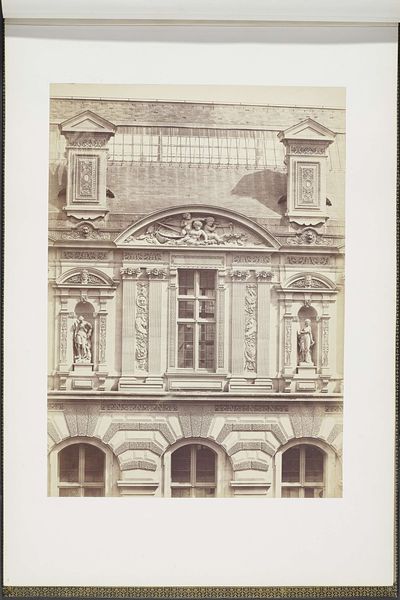
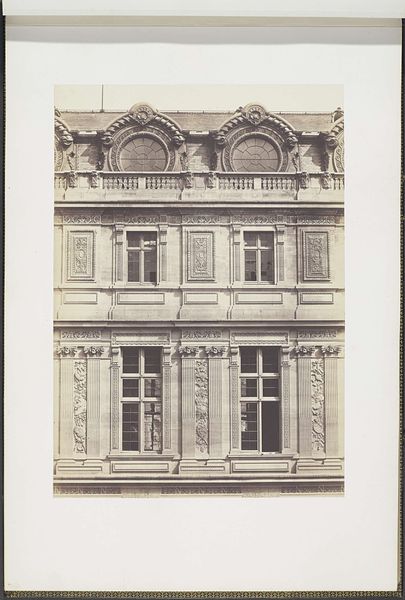
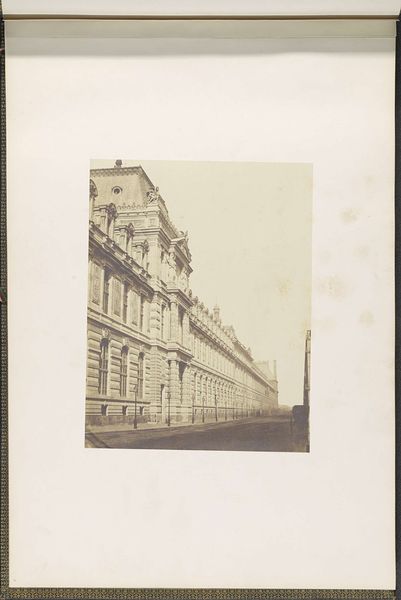
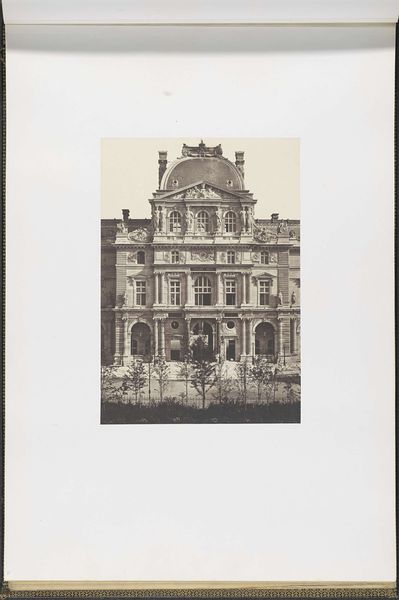
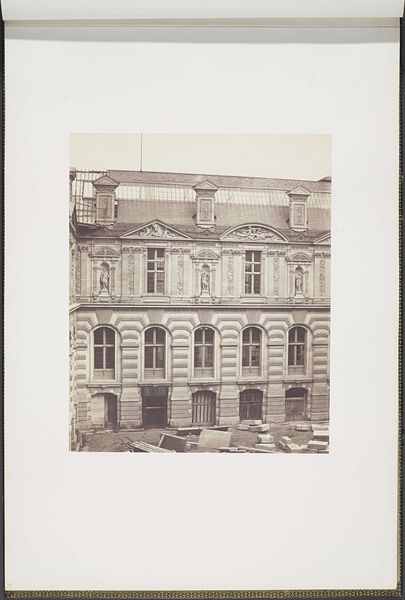
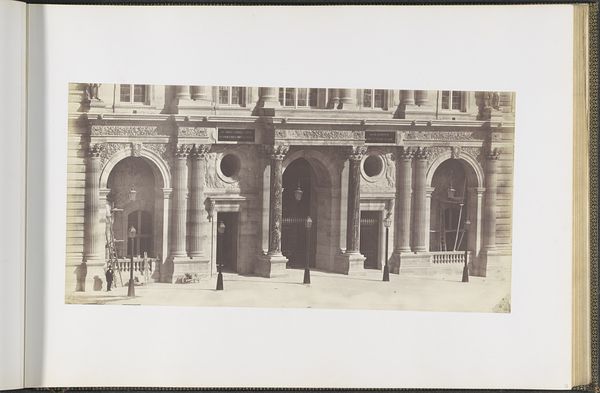
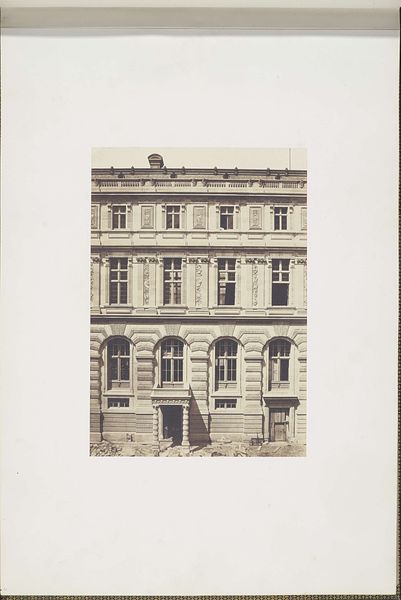
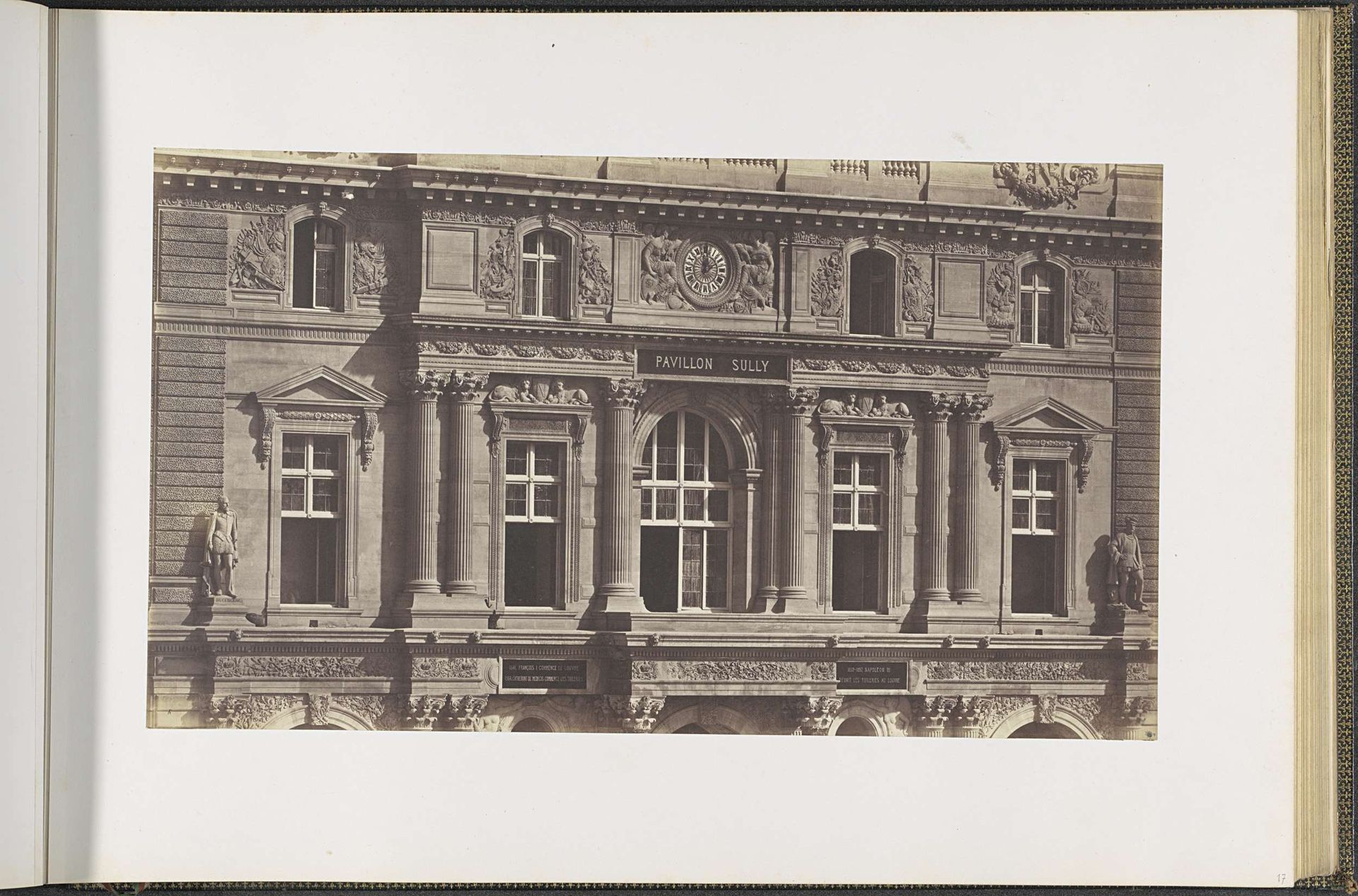
Gevel van de eerste en tweede verdieping van het Pavillon Sully in het Palais du Louvre

Edouard Baldus
1813 - 1889Location
RijksmuseumListen to curator's interpretation
Curatorial notes
Edouard Baldus made this albumen print of the Pavillon Sully in the Palais du Louvre sometime in the mid-nineteenth century. The Louvre, of course, started as a palace. In the wake of the French Revolution, it became a public museum, an institution designed to educate and uplift the population. Baldus was commissioned to document the building's additions. But photography in France had already become a medium for more than just documentation. It was used to examine the relationship between the state, its history, and its cultural institutions. This photograph uses the visual codes of classical architecture to signal the authority and power of the French state. It reflects a desire to align itself with the grandeur of the past. To understand this image better, consider the political context of France at the time. Think about who controlled the museum, who visited it, and what kinds of messages they were meant to take away from it. This will help to understand the role of institutions in shaping our understanding of culture.