1771
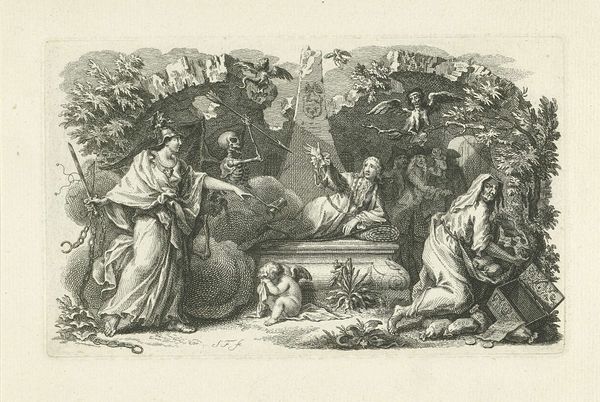
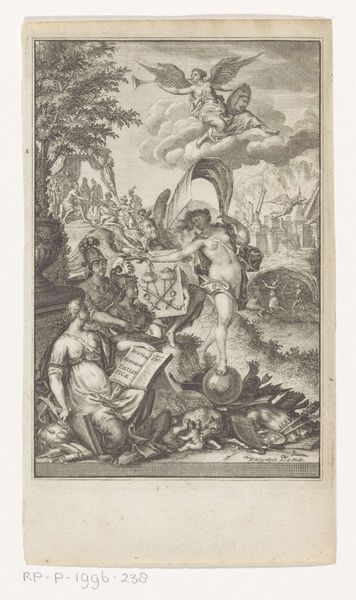
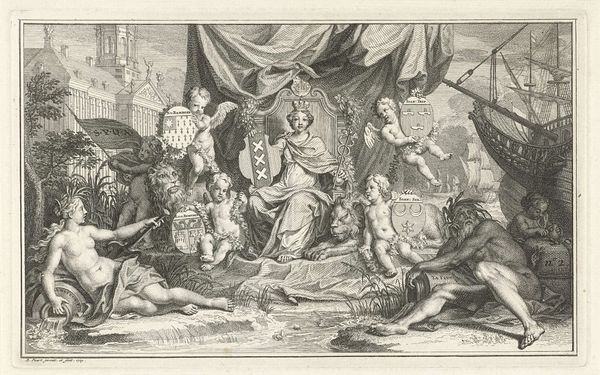
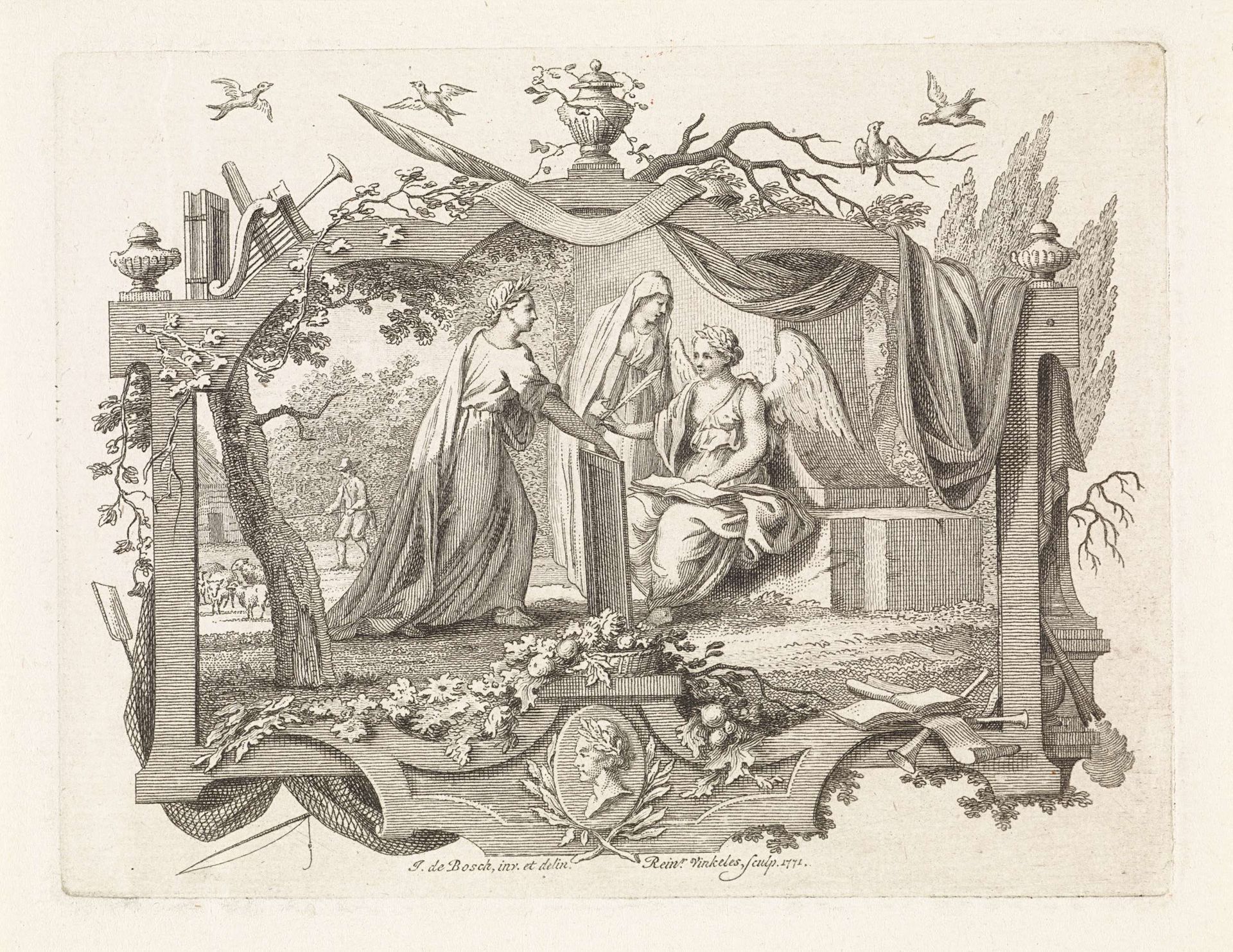
Engel en twee vrouwen in een allegorische omlijsting

Reinier Vinkeles
1741 - 1816Location
RijksmuseumListen to curator's interpretation
Curatorial notes
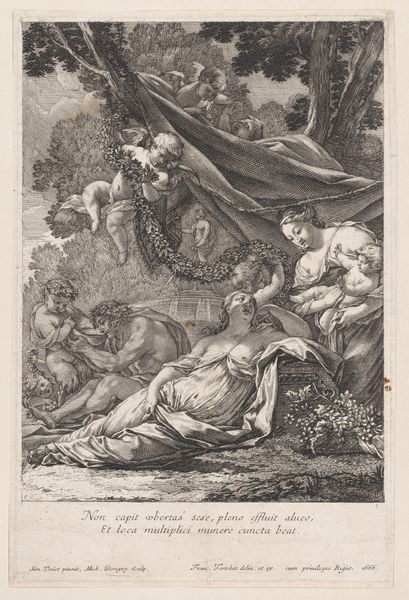
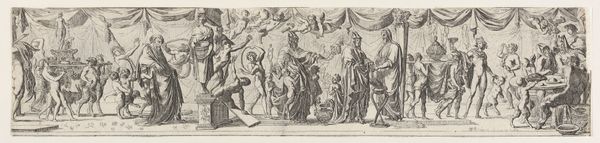
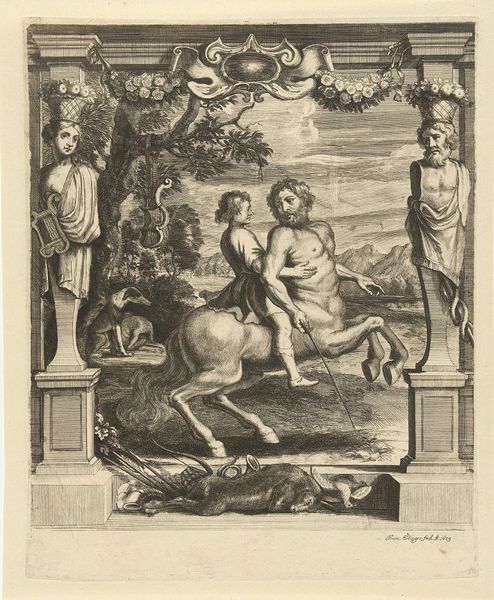
Reinier Vinkeles made this engraving of an angel and two women in an allegorical setting in 1771. Engraving is an intaglio process, meaning the image is incised into a plate, usually copper. The artist would have used a tool called a burin to carve the lines that hold the ink. The plate is then inked, and the surface wiped clean, leaving ink only in the etched lines. Finally, damp paper is pressed against the plate, transferring the image. Look closely, and you’ll notice the crisp, precise lines that define the figures and the elaborate decorative frame. The quality of the print hinges on the engraver's skill in controlling the burin, and the pressure applied to the printing press. While engraving was essential for mass-producing images, it’s easy to forget the labor involved. Vinkeles's expertise transformed a commercial process into a work of art, illustrating how so-called ‘fine art’ practices rely on ‘craft’ traditions.