About this artwork
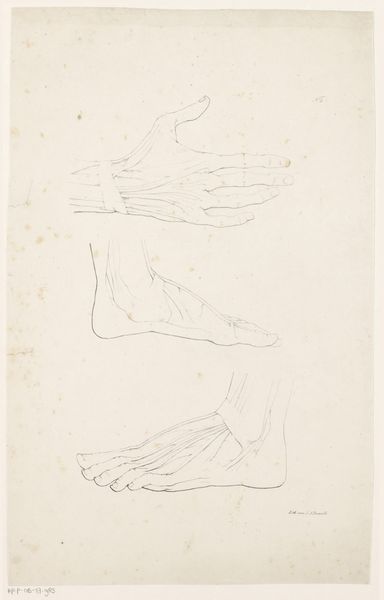
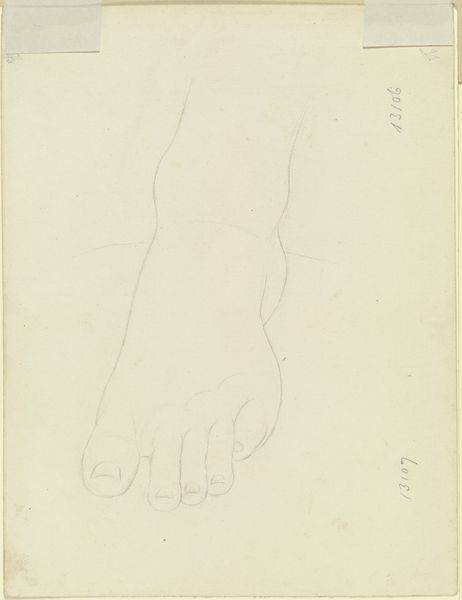
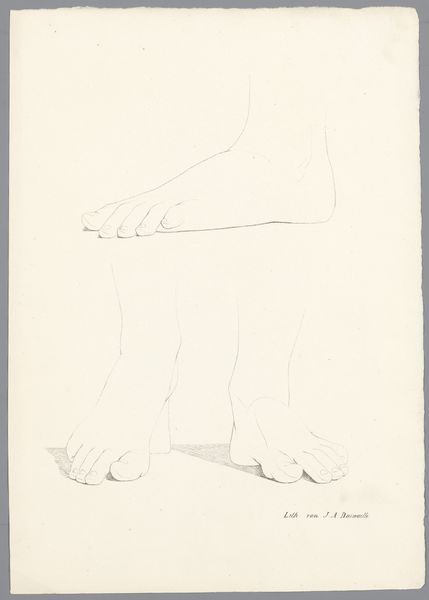
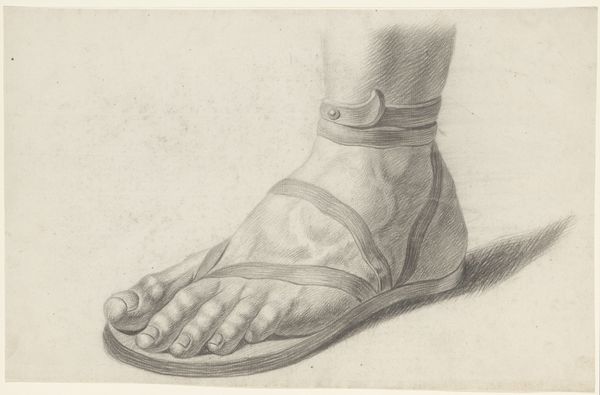
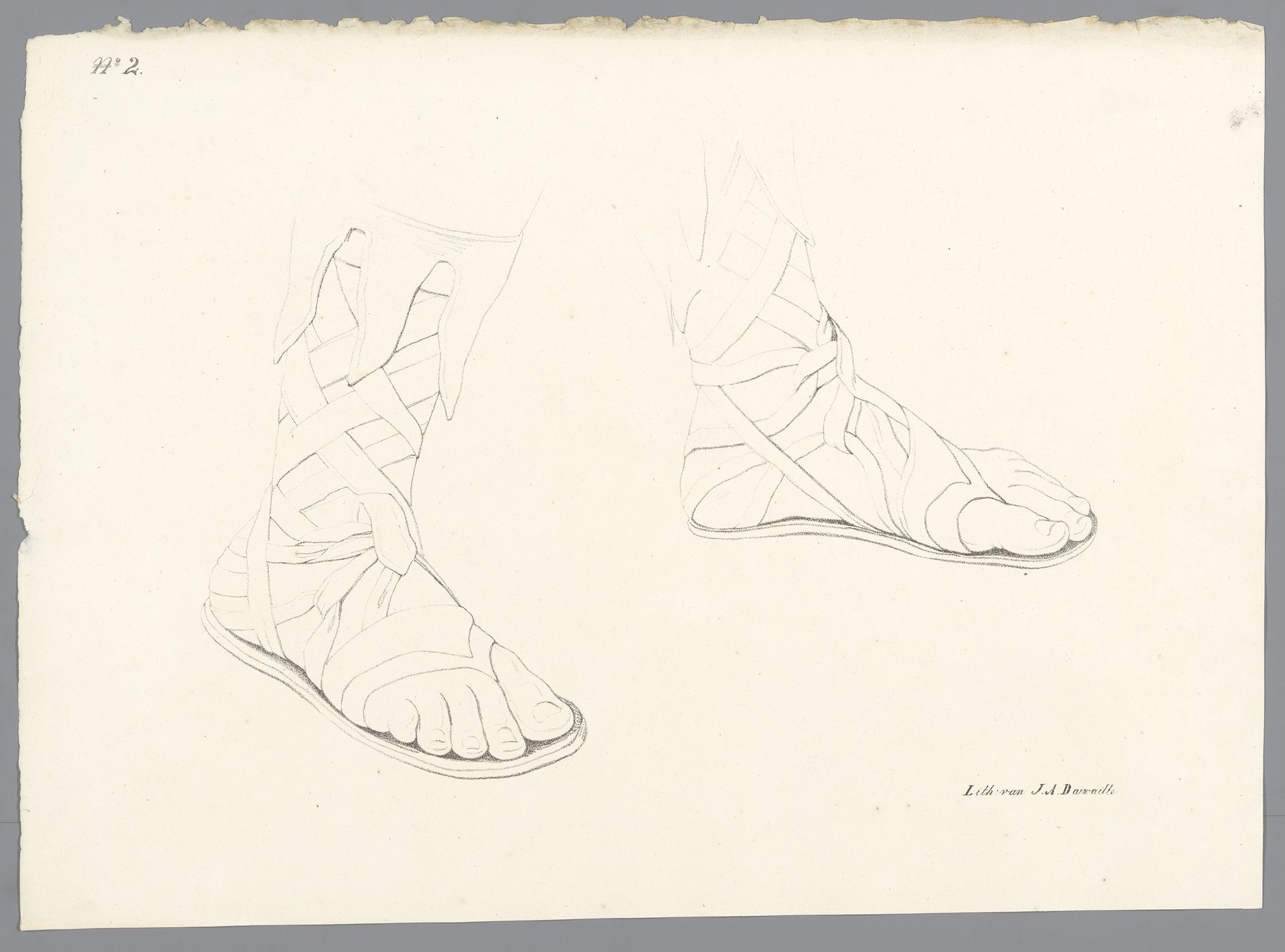
Jean Augustin Daiwaille created this lithograph of two feet wearing sandals at an unknown date. As a lithograph held in the Rijksmuseum, its social context becomes most evident. It represents a moment of institutional shift in the nineteenth century. This image speaks to the way the human body, or even a fragment of it, became an object of study and display, and therefore entered a different realm of social discourse. We can imagine the artist working from life, or from an antique sculpture, in an art academy setting. Note how the image creates meaning through visual codes, cultural references, and historical associations. The museum provided a new stage for art, as it became increasingly accessible to a broader public. The drawing itself might seem like a minor work, but it reflects the changing social and cultural function of art in nineteenth-century Europe. To delve deeper, one might research the curriculum of art academies at the time, or museum visitor demographics, to understand the evolving public role of art.

Artwork details
- Medium
- drawing, pencil
- Dimensions
- height 240 mm, width 331 mm
- Location
- Rijksmuseum
- Copyright
- Rijks Museum: Open Domain
Tags
Comments
Share your thoughts
About this artwork
Jean Augustin Daiwaille created this lithograph of two feet wearing sandals at an unknown date. As a lithograph held in the Rijksmuseum, its social context becomes most evident. It represents a moment of institutional shift in the nineteenth century. This image speaks to the way the human body, or even a fragment of it, became an object of study and display, and therefore entered a different realm of social discourse. We can imagine the artist working from life, or from an antique sculpture, in an art academy setting. Note how the image creates meaning through visual codes, cultural references, and historical associations. The museum provided a new stage for art, as it became increasingly accessible to a broader public. The drawing itself might seem like a minor work, but it reflects the changing social and cultural function of art in nineteenth-century Europe. To delve deeper, one might research the curriculum of art academies at the time, or museum visitor demographics, to understand the evolving public role of art.
Comments
Share your thoughts