1646 - 1670
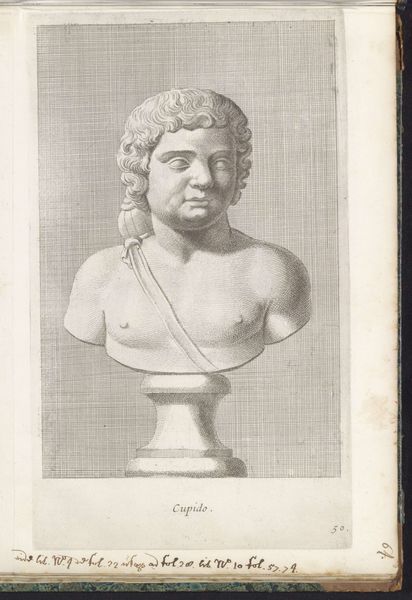
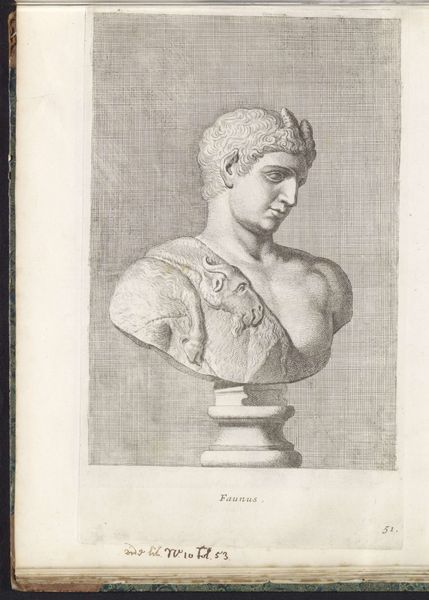
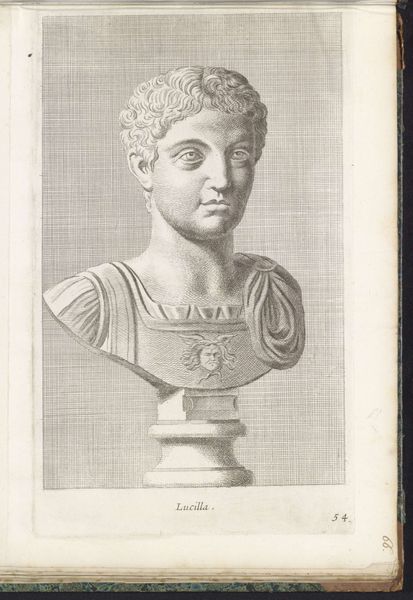
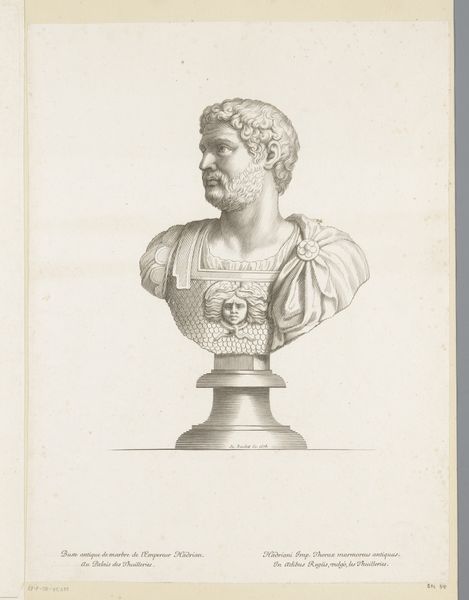
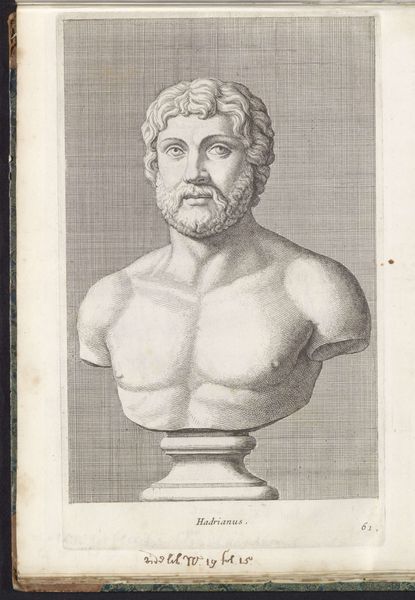
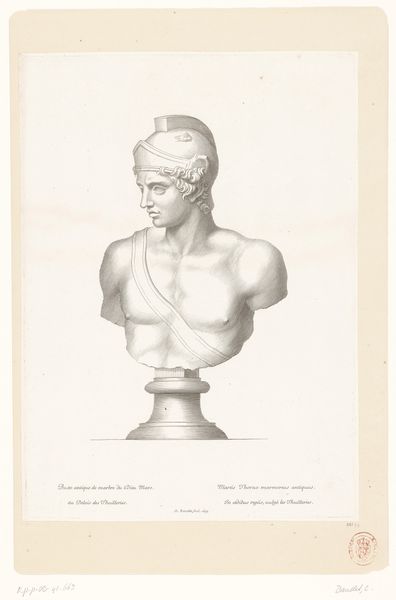
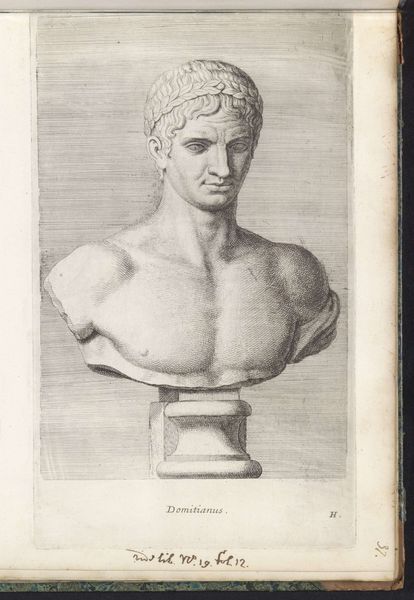
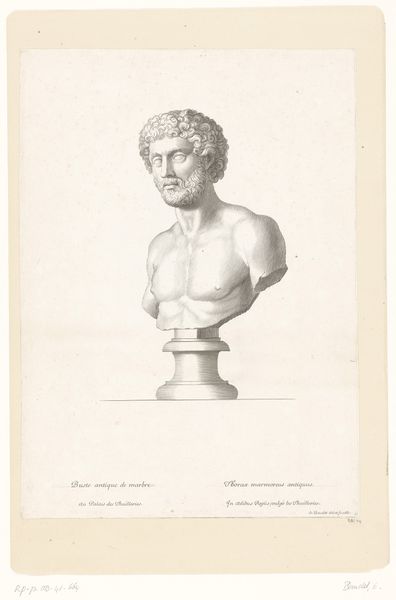
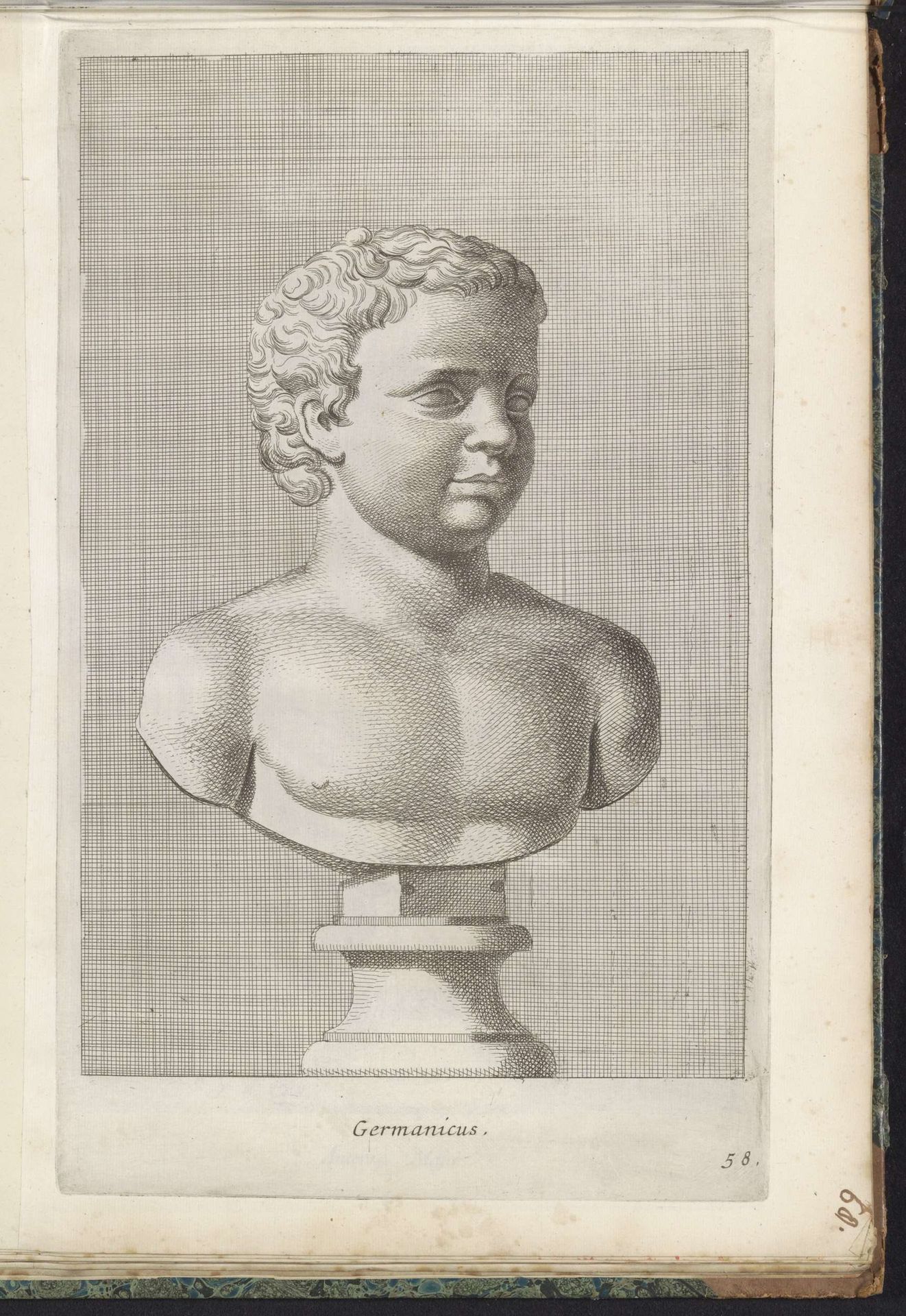
Buste van Germanicus

Hubert Quellinus
1619 - 1687Location
RijksmuseumListen to curator's interpretation
Curatorial notes
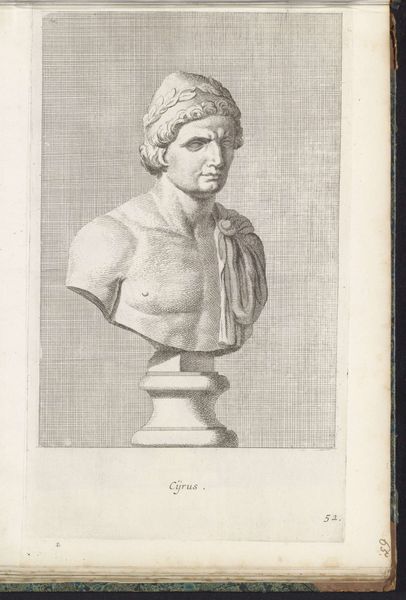
Hubert Quellinus crafted this bust of Germanicus using an engraving technique. Note the bare chest, a visual shorthand for the idealized male form, reminiscent of classical heroes and gods. This motif echoes through the ages, appearing in Renaissance sculptures, Baroque paintings, and even modern advertisements. Consider the 'Doryphoros' of Polykleitos, where the nude figure embodies perfect proportion and virtue. Yet, this ideal shifts. In the Renaissance, it symbolized a rebirth of classical values, while in later eras, it could represent power, eroticism, or even vulnerability. This visual language stirs something deep within us, tapping into a collective memory of strength, beauty, and perhaps a longing for a bygone era. It is a potent reminder of how images transcend time, continually reshaped by culture and context, yet forever tethered to their origins.