1859
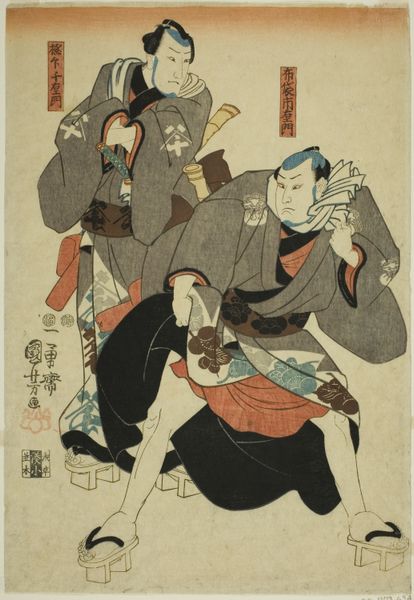
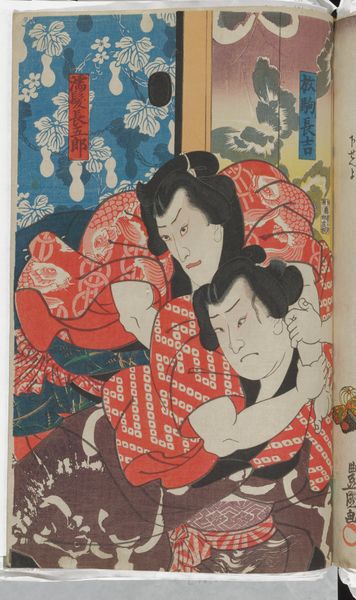
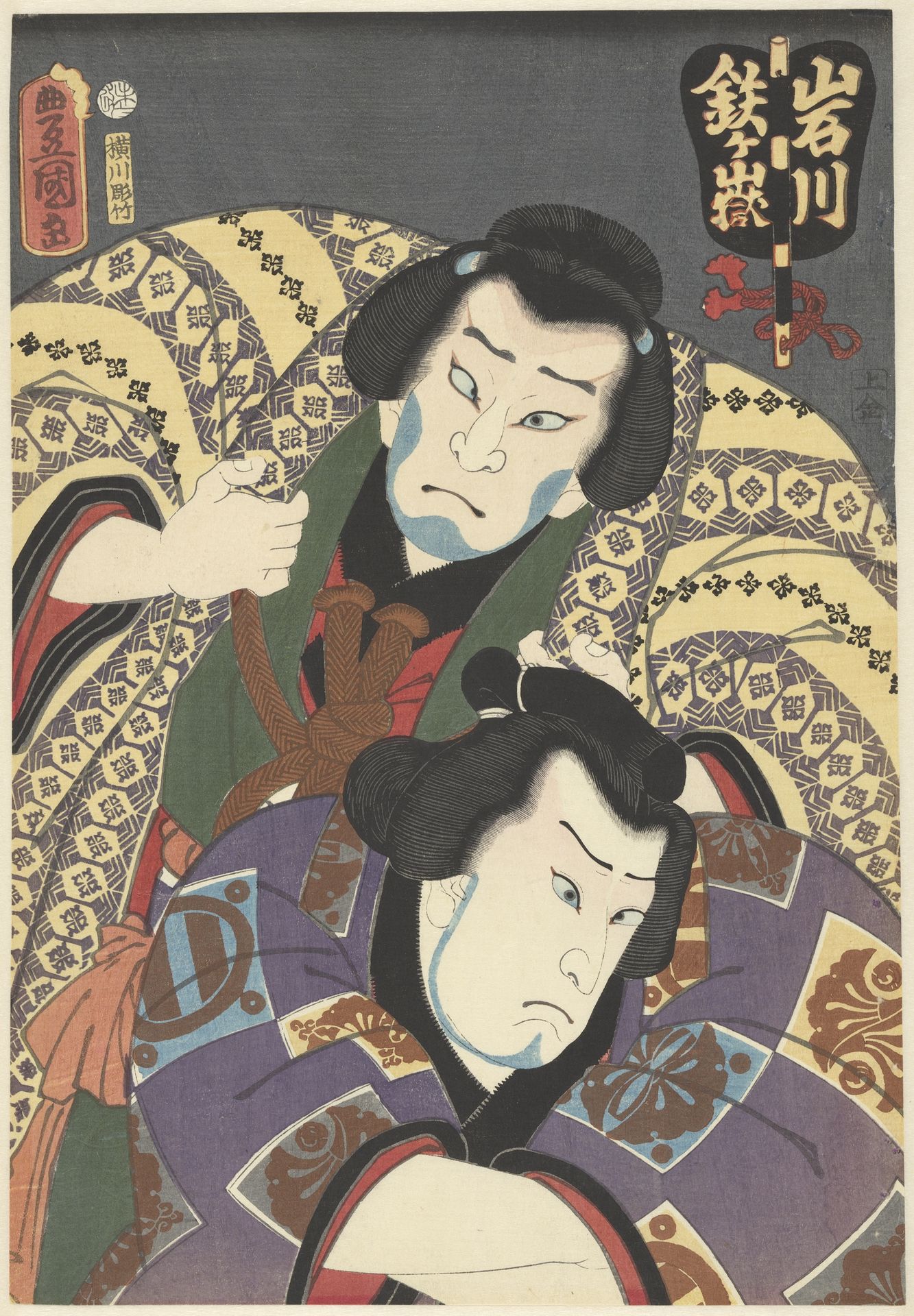
Sumo wrestlers Tetsugadake Dazaemon and Iwagawa Jirôkichi

Utagawa Kunisada
1786 - 1865Location
RijksmuseumListen to curator's interpretation
Curatorial notes
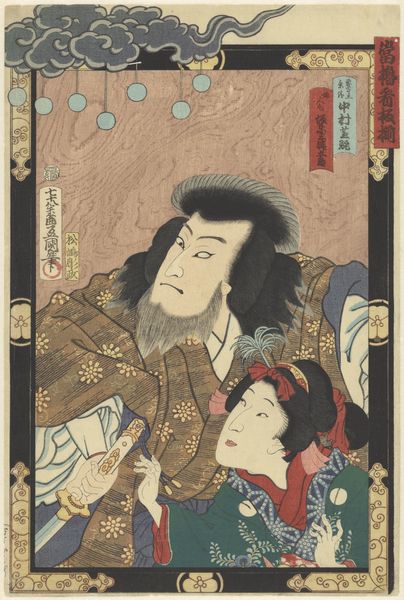
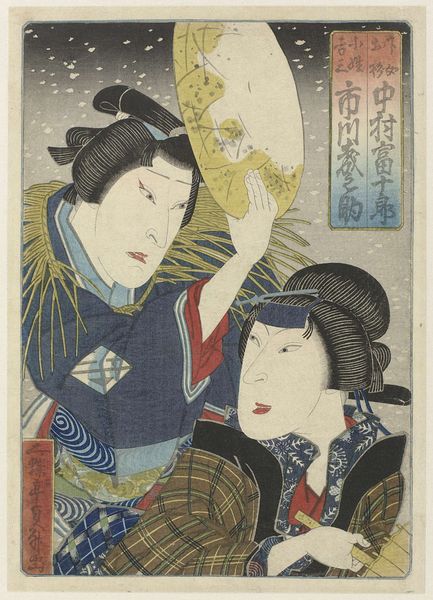
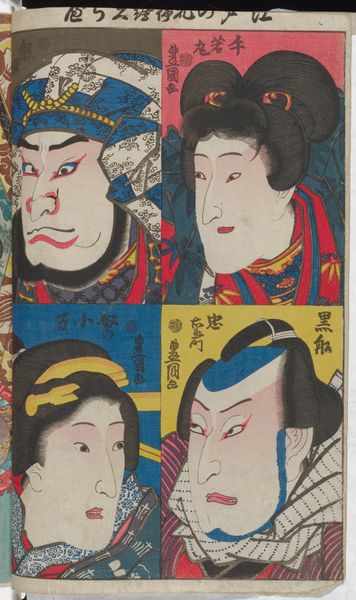
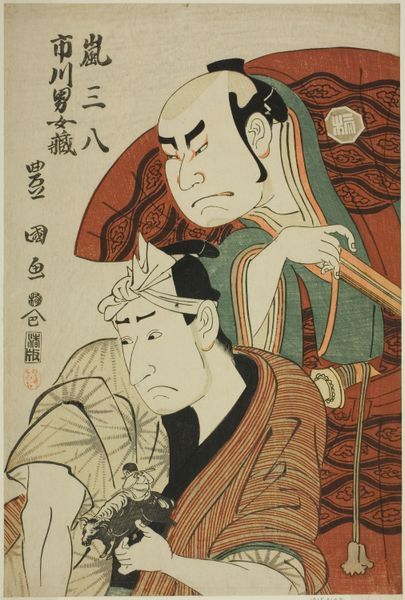
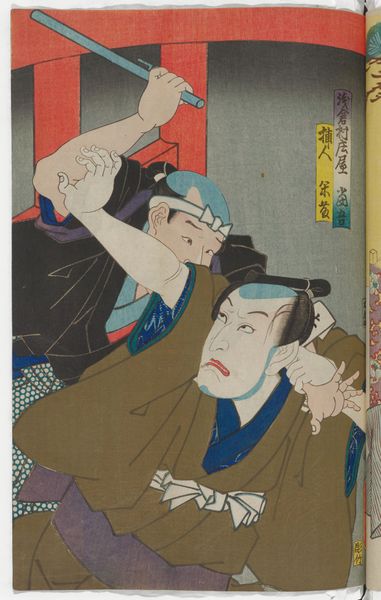
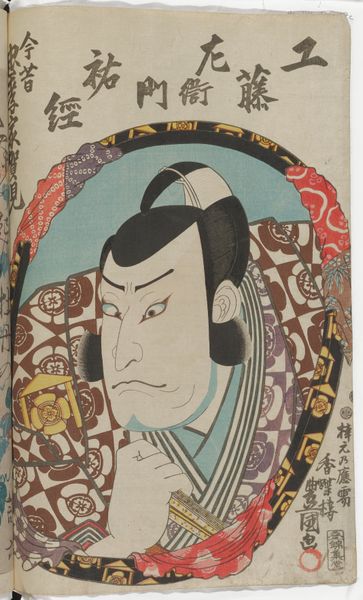
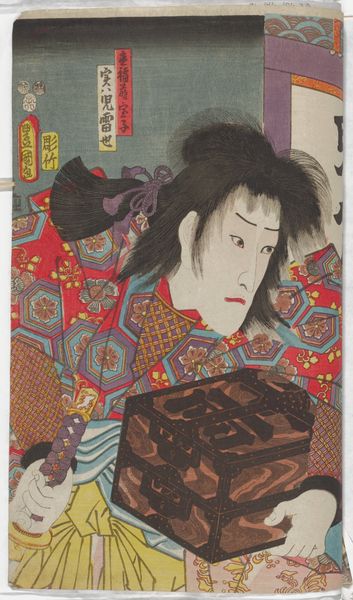
Utagawa Kunisada created this woodblock print of Sumo wrestlers Tetsugadake Dazaemon and Iwagawa Jirôkichi in 19th century Japan. The image is rich with cultural references. Sumo wrestling, with its roots in Shinto rituals, was a popular spectacle that reinforced social hierarchies in Edo period Japan. Kunisada, an artist deeply embedded in the cultural institutions of his time, captures the wrestlers' imposing presence and stylized expressions with great attention to detail. The wrestlers' elaborate hairstyles and robes, along with the artist's signature, create meaning through visual codes and historical associations. Understanding the institutional history of art in Japan during this period can provide valuable insights. The ukiyo-e tradition, in which Kunisada worked, emerged alongside a growing urban culture and merchant class. This print, therefore, is not just a depiction of sumo wrestlers; it is a reflection of the social, economic, and cultural forces that shaped Japan at the time. To truly appreciate this artwork, one can delve into historical texts, social histories, and studies of Japanese art institutions.