About this artwork
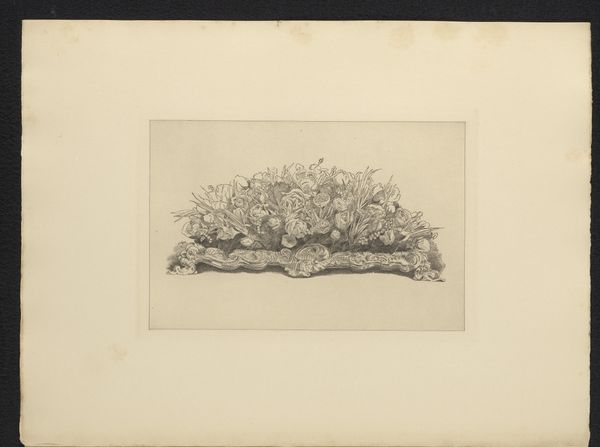
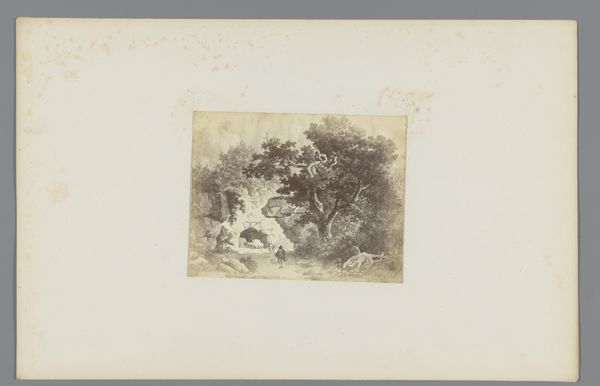
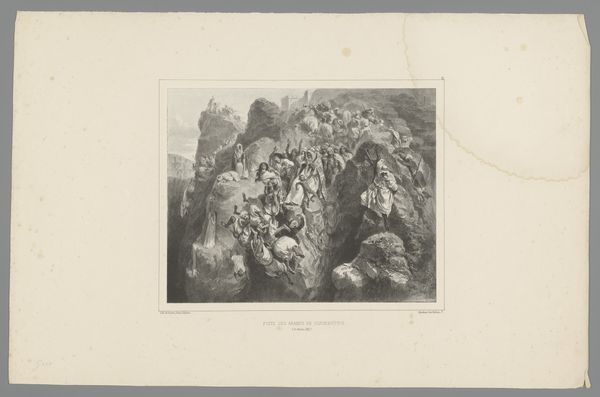
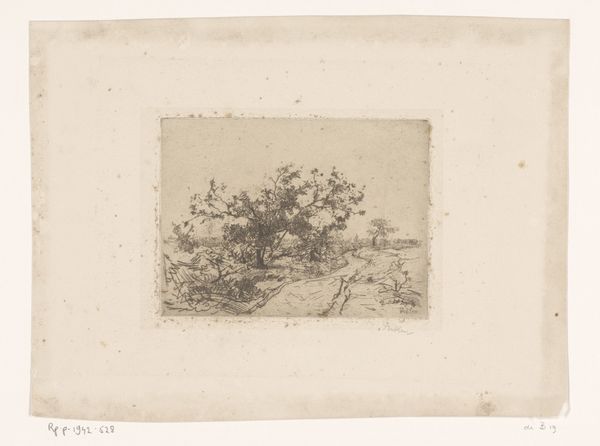
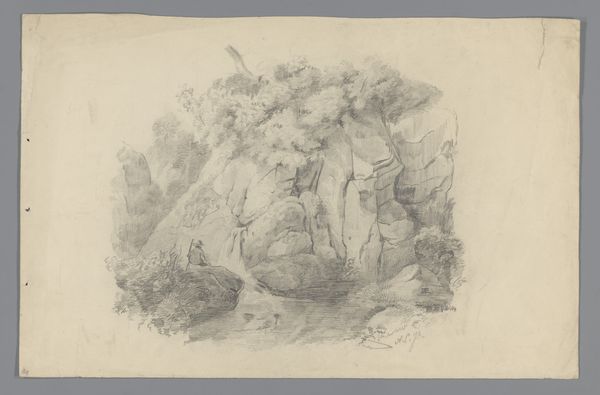
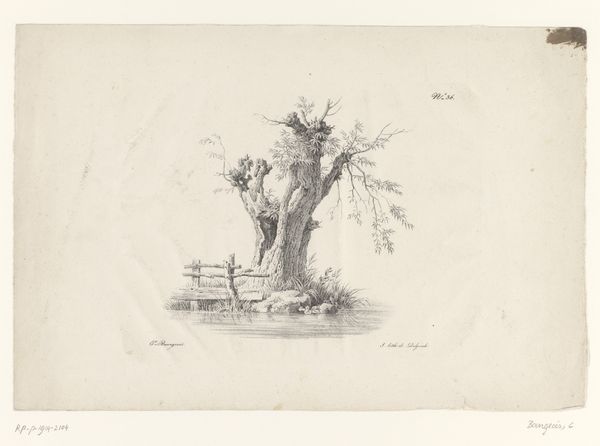
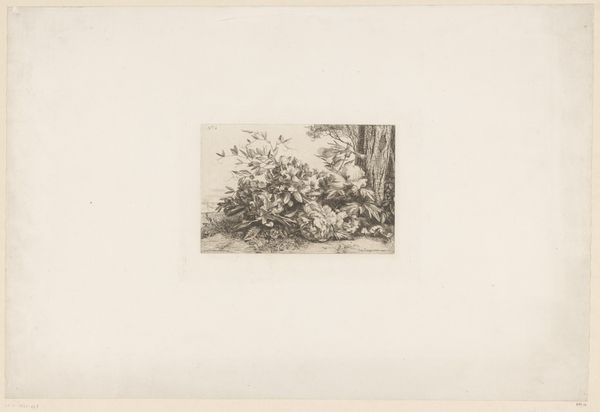
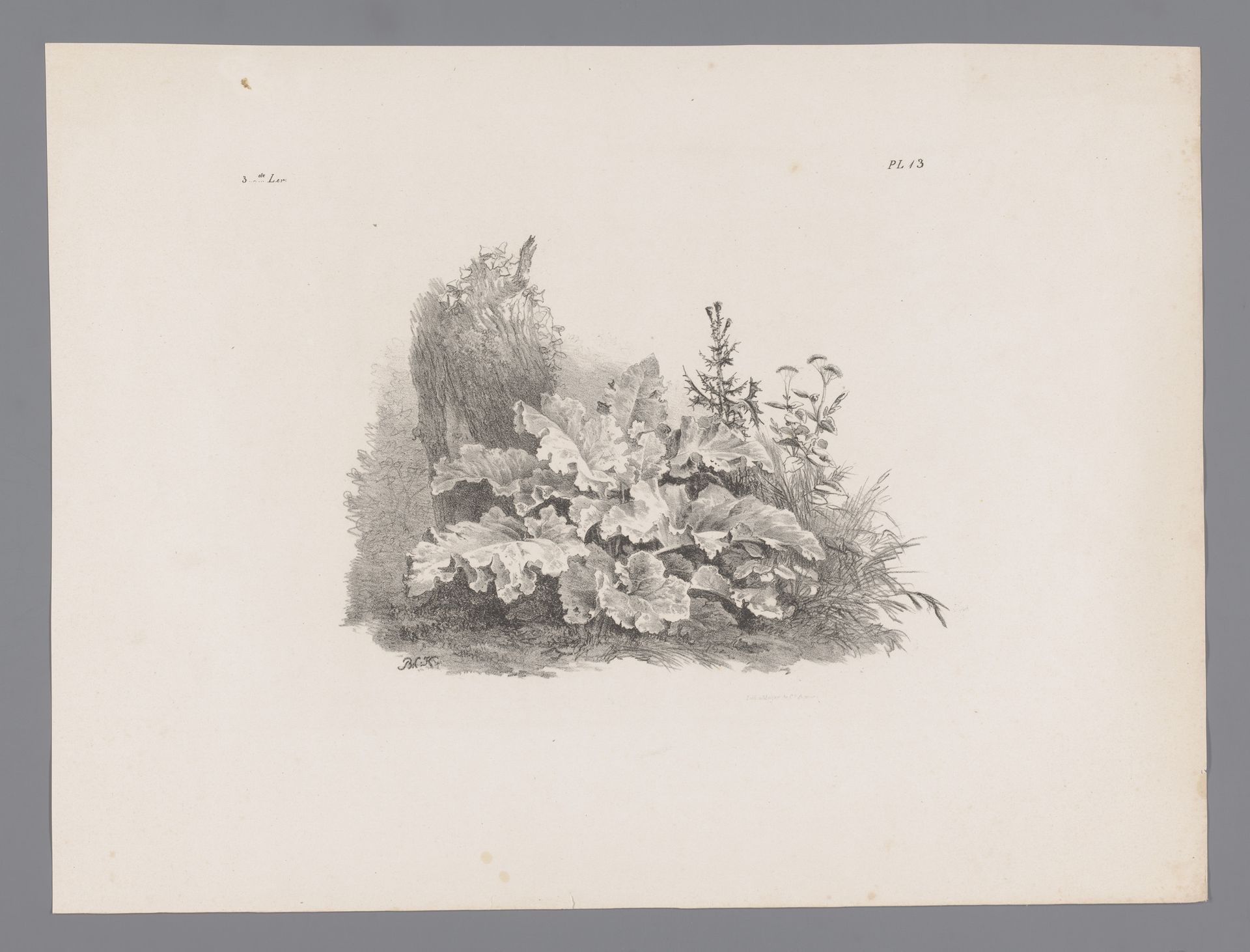
Barend Cornelis Koekkoek made this drawing, "Plants by a Tree," with graphite on paper sometime in the mid-19th century. At first glance, it seems a straightforward botanical study, yet it reflects a particular cultural moment in the Netherlands. The 19th century saw a rise in scientific exploration and documentation, fueled by colonial expansion and a growing interest in the natural world. Koekkoek's detailed rendering aligns with this trend, but also catered to a growing middle class interested in art that celebrated nature. Consider the Rijksmuseum itself, where this drawing is housed. Museums like these were becoming important institutions for shaping national identity, often displaying art that reinforced ideas about landscape and cultural heritage. What might seem like a simple drawing of plants, then, is tied to broader social, economic, and institutional forces. To understand such an artwork, we can consult period publications, scientific illustrations, and museum archives to reconstruct the context in which it was made and viewed.

Artwork details
- Medium
- drawing, paper, pencil
- Dimensions
- height 330 mm, width 445 mm
- Location
- Rijksmuseum
- Copyright
- Rijks Museum: Open Domain
Tags
Comments
Share your thoughts
About this artwork
Barend Cornelis Koekkoek made this drawing, "Plants by a Tree," with graphite on paper sometime in the mid-19th century. At first glance, it seems a straightforward botanical study, yet it reflects a particular cultural moment in the Netherlands. The 19th century saw a rise in scientific exploration and documentation, fueled by colonial expansion and a growing interest in the natural world. Koekkoek's detailed rendering aligns with this trend, but also catered to a growing middle class interested in art that celebrated nature. Consider the Rijksmuseum itself, where this drawing is housed. Museums like these were becoming important institutions for shaping national identity, often displaying art that reinforced ideas about landscape and cultural heritage. What might seem like a simple drawing of plants, then, is tied to broader social, economic, and institutional forces. To understand such an artwork, we can consult period publications, scientific illustrations, and museum archives to reconstruct the context in which it was made and viewed.
Comments
Share your thoughts