About this artwork
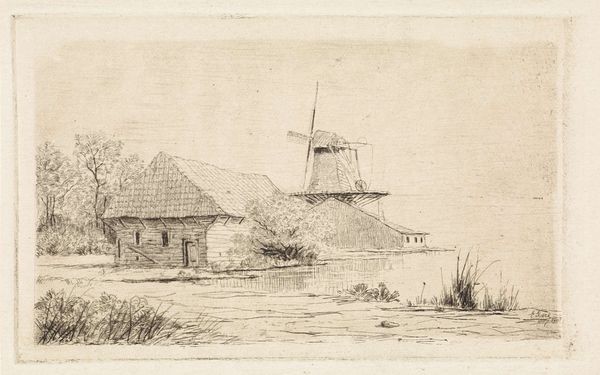
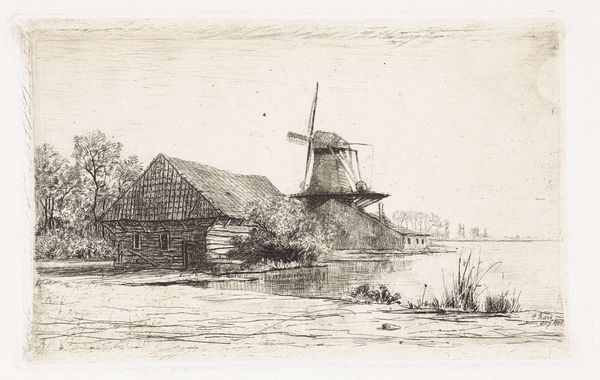
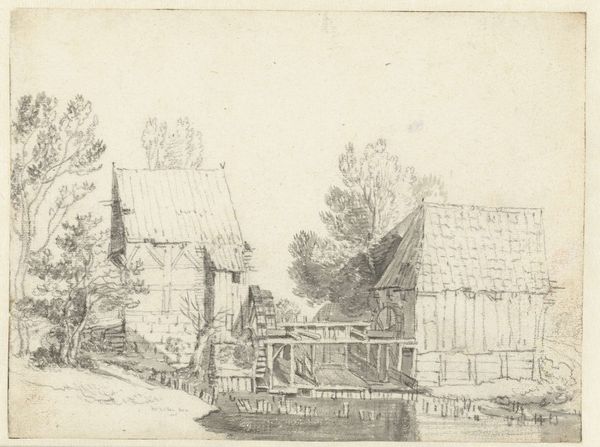
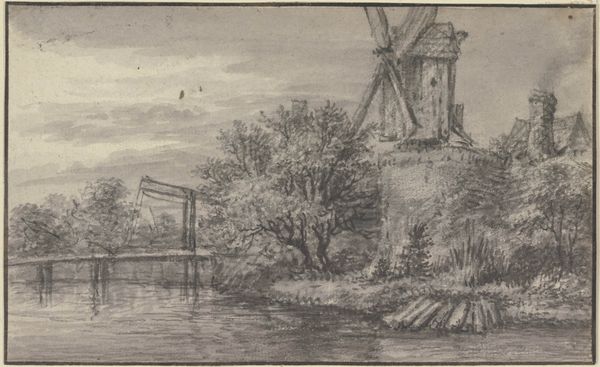
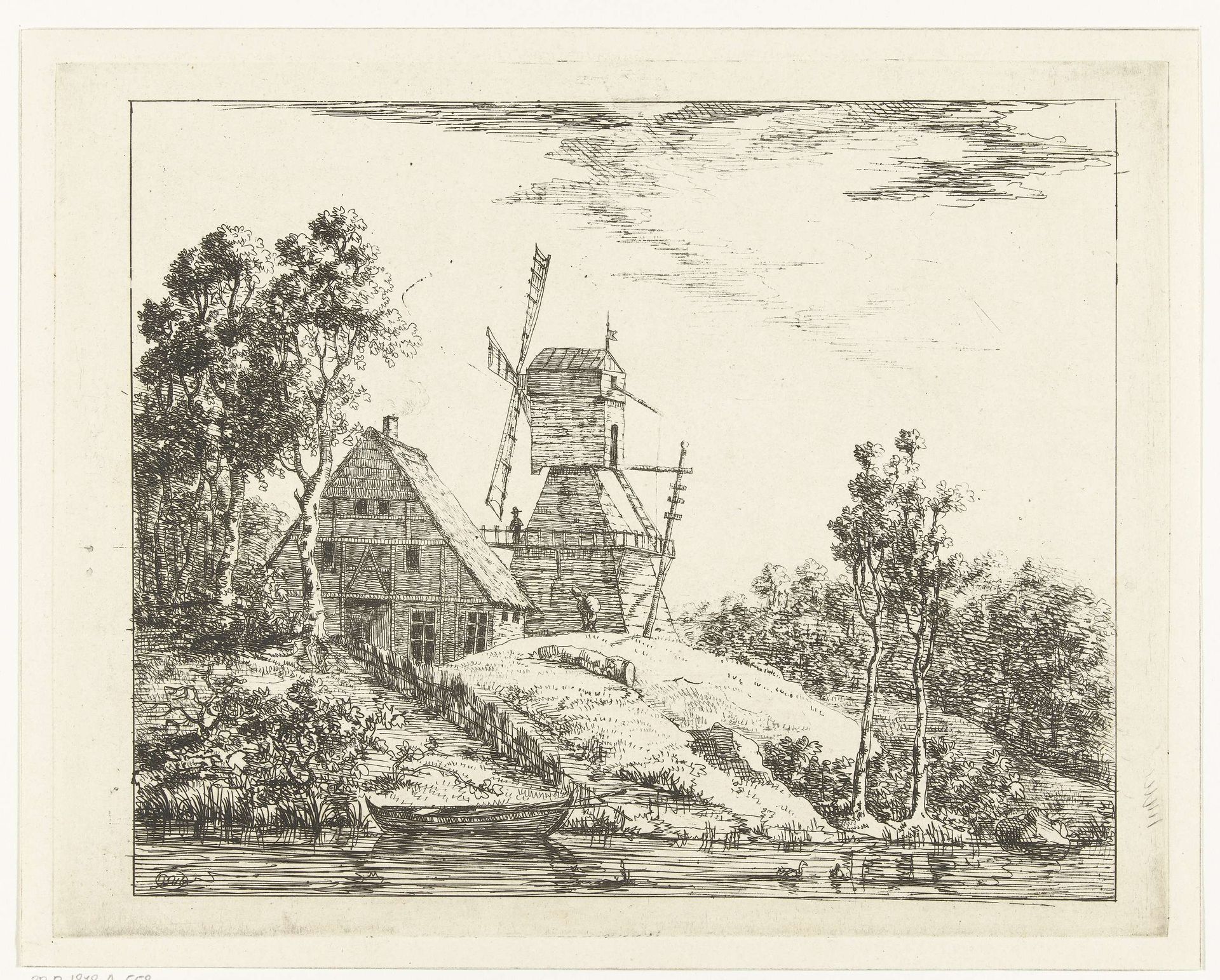
Dirk Vis Blokhuyzen’s etching depicts a farm and mill in the Holstein region. It’s likely that this image was made in the early to mid 19th century, judging from Blokhuyzen's life dates and the stylistic conventions it deploys. The scene presents an enduring image of rural life. As a cultural symbol the windmill carries strong associations with Dutch national identity. The rise of landscape art in the Netherlands is directly linked to the emergence of a new sense of national pride and identity during the Dutch Golden Age of the 17th century. By the 19th century, landscape imagery like this served to conjure an imagined past. We might ask, what social function did such images serve at a time when the Netherlands was undergoing profound social and economic change? To properly understand the image, we could research popular print culture in the 19th century Netherlands, including the institutions that supported artists like Blokhuyzen. Only through an understanding of the social conditions in which art is made can we appreciate its full meaning.

Artwork details
- Medium
- drawing, print, etching, engraving
- Dimensions
- height 201 mm, width 256 mm
- Copyright
- Rijks Museum: Open Domain
Tags
Comments
Share your thoughts
About this artwork
Dirk Vis Blokhuyzen’s etching depicts a farm and mill in the Holstein region. It’s likely that this image was made in the early to mid 19th century, judging from Blokhuyzen's life dates and the stylistic conventions it deploys. The scene presents an enduring image of rural life. As a cultural symbol the windmill carries strong associations with Dutch national identity. The rise of landscape art in the Netherlands is directly linked to the emergence of a new sense of national pride and identity during the Dutch Golden Age of the 17th century. By the 19th century, landscape imagery like this served to conjure an imagined past. We might ask, what social function did such images serve at a time when the Netherlands was undergoing profound social and economic change? To properly understand the image, we could research popular print culture in the 19th century Netherlands, including the institutions that supported artists like Blokhuyzen. Only through an understanding of the social conditions in which art is made can we appreciate its full meaning.
Comments
Share your thoughts