About this artwork
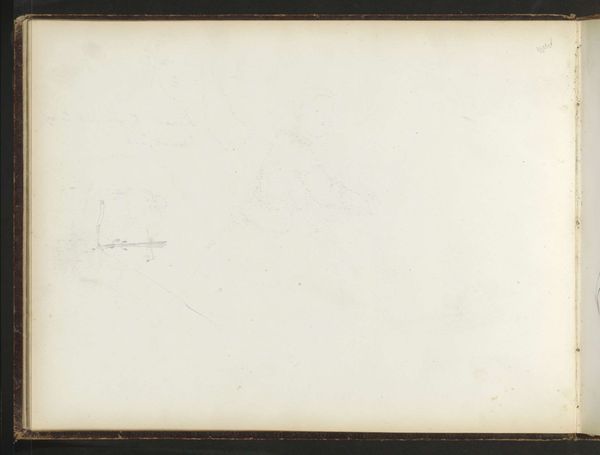
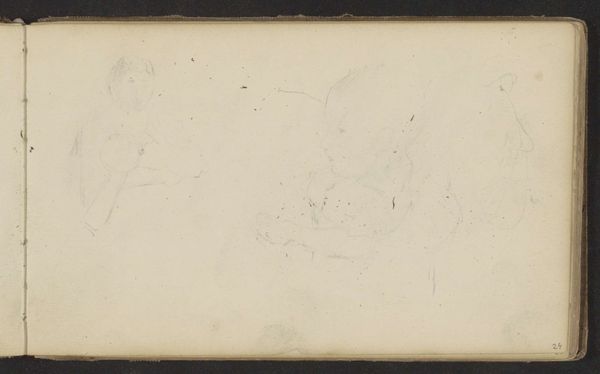
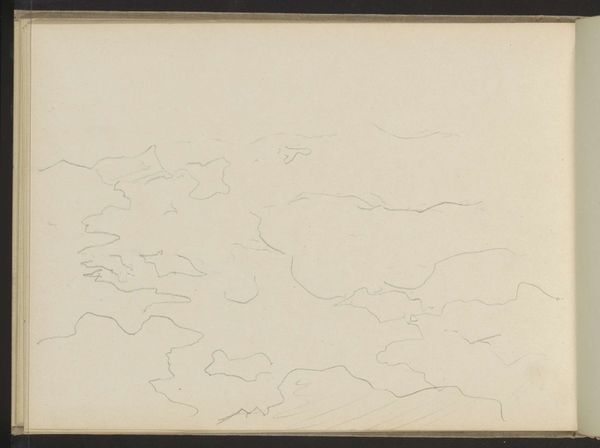
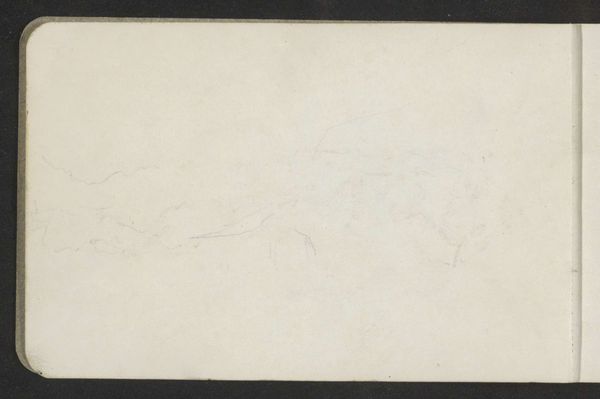
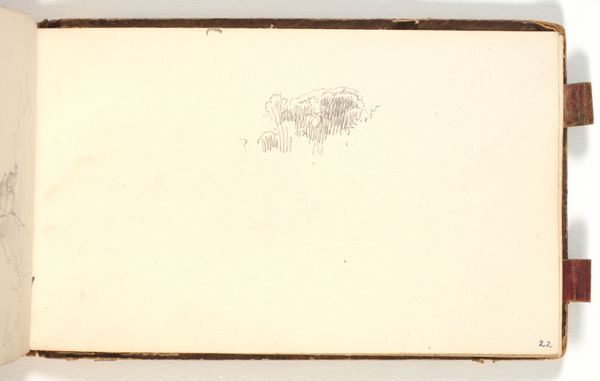
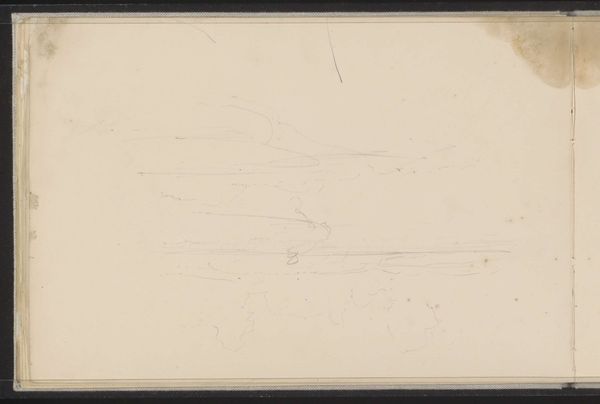
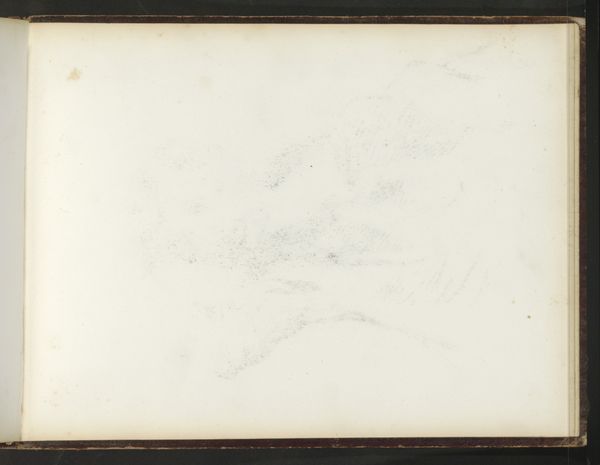
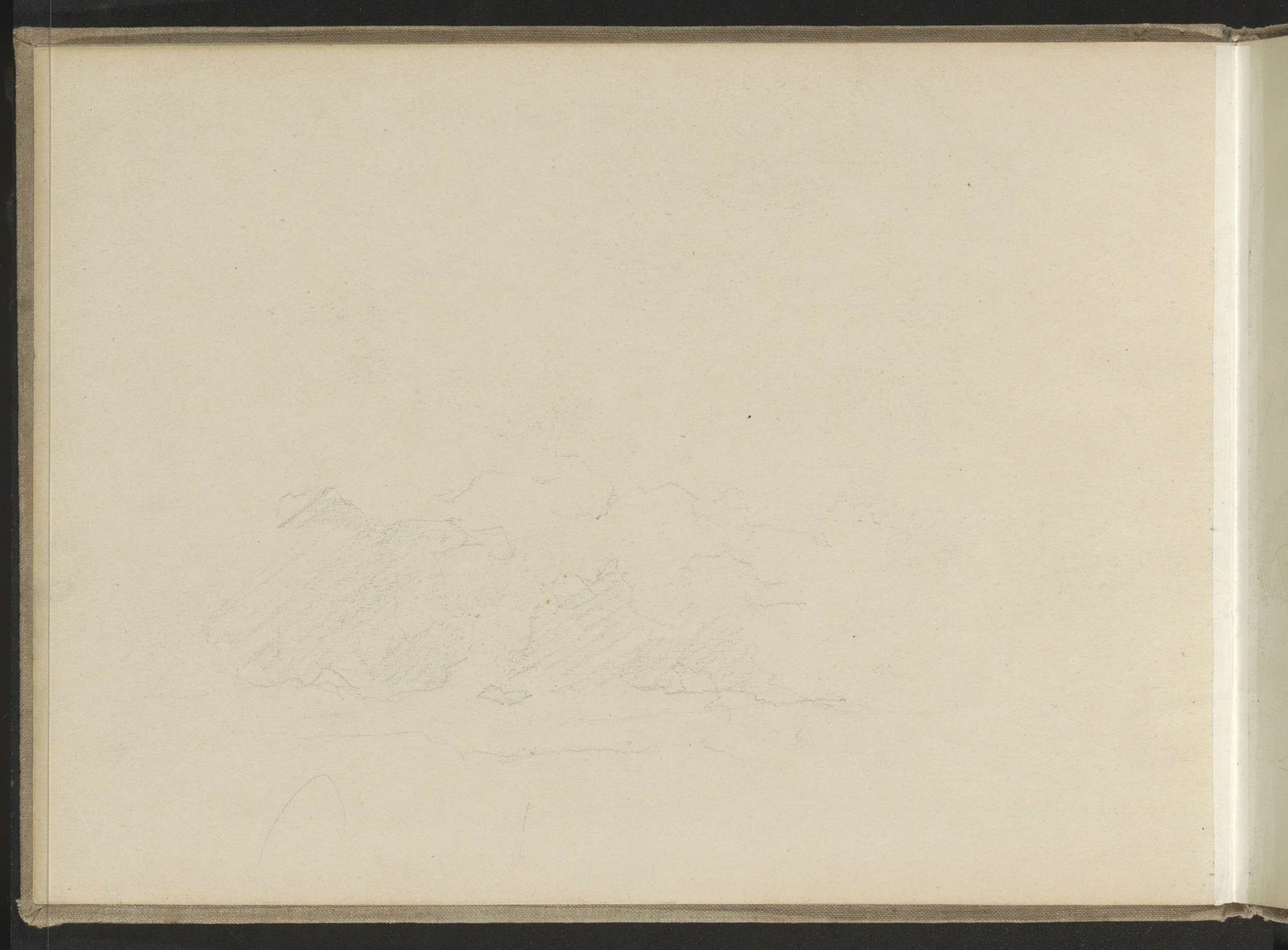
This pencil drawing named "Wolken" meaning "Clouds" was made by Jozef Israëls, a Dutch painter who died in 1911. Israëls was part of the Hague School, a group of Dutch realist painters active between 1860 and 1890. The Hague School artists turned away from the dominant Romanticism of the time, which focused on dramatic historical and allegorical scenes. Instead, they chose to depict everyday life. They often focused on the lives of peasants and fishermen. This interest in the common person reflected broader social and political trends. The Netherlands in the 19th century was undergoing rapid industrialization and urbanization. This led to increasing social inequality and poverty. Artists like Israëls often used their art to raise awareness of these issues and to promote social reform. Art historical resources like letters, archives, and exhibition reviews can offer invaluable insights into the artist's intentions and the reception of their work within this changing social and institutional context.

Artwork details
- Medium
- drawing, paper, pencil
- Location
- Rijksmuseum
- Copyright
- Rijks Museum: Open Domain
Tags
drawing
dutch-golden-age
landscape
paper
pencil
realism
Comments
No comments
About this artwork
This pencil drawing named "Wolken" meaning "Clouds" was made by Jozef Israëls, a Dutch painter who died in 1911. Israëls was part of the Hague School, a group of Dutch realist painters active between 1860 and 1890. The Hague School artists turned away from the dominant Romanticism of the time, which focused on dramatic historical and allegorical scenes. Instead, they chose to depict everyday life. They often focused on the lives of peasants and fishermen. This interest in the common person reflected broader social and political trends. The Netherlands in the 19th century was undergoing rapid industrialization and urbanization. This led to increasing social inequality and poverty. Artists like Israëls often used their art to raise awareness of these issues and to promote social reform. Art historical resources like letters, archives, and exhibition reviews can offer invaluable insights into the artist's intentions and the reception of their work within this changing social and institutional context.
Comments
No comments