About this artwork
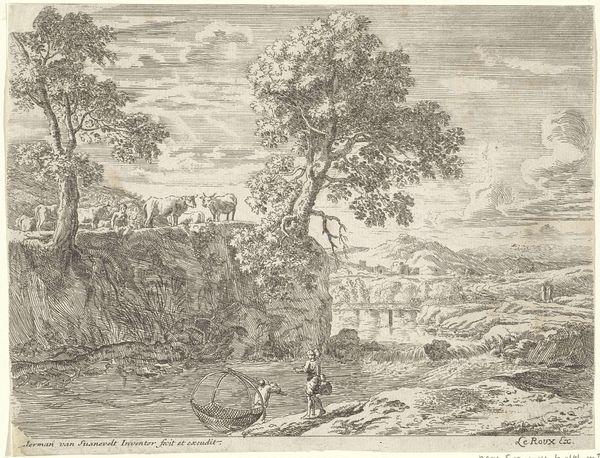
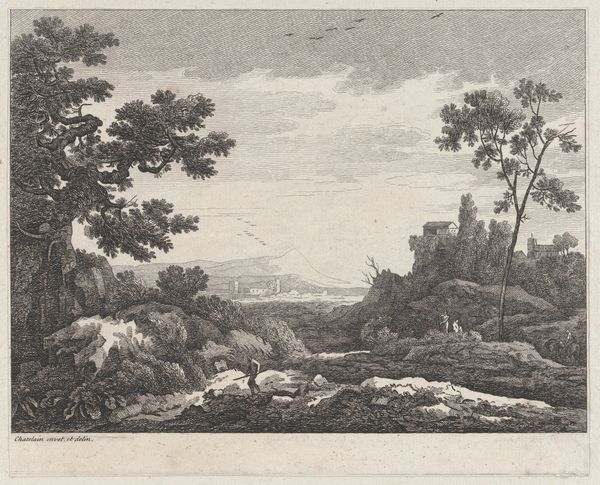
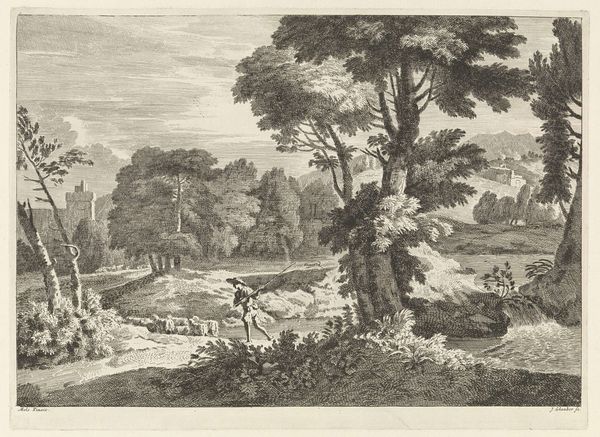
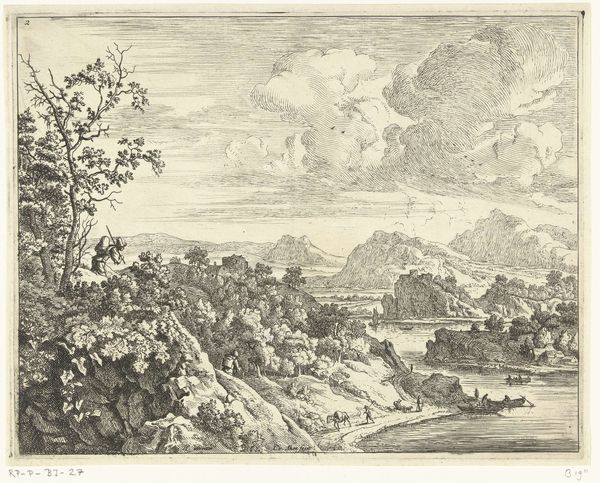
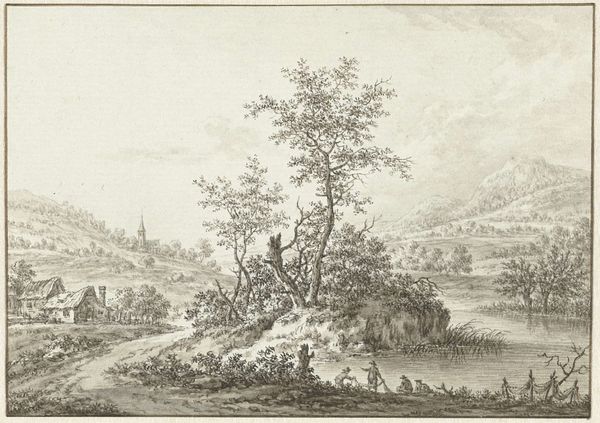
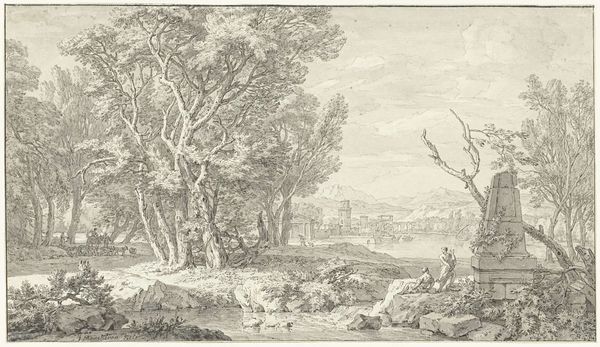
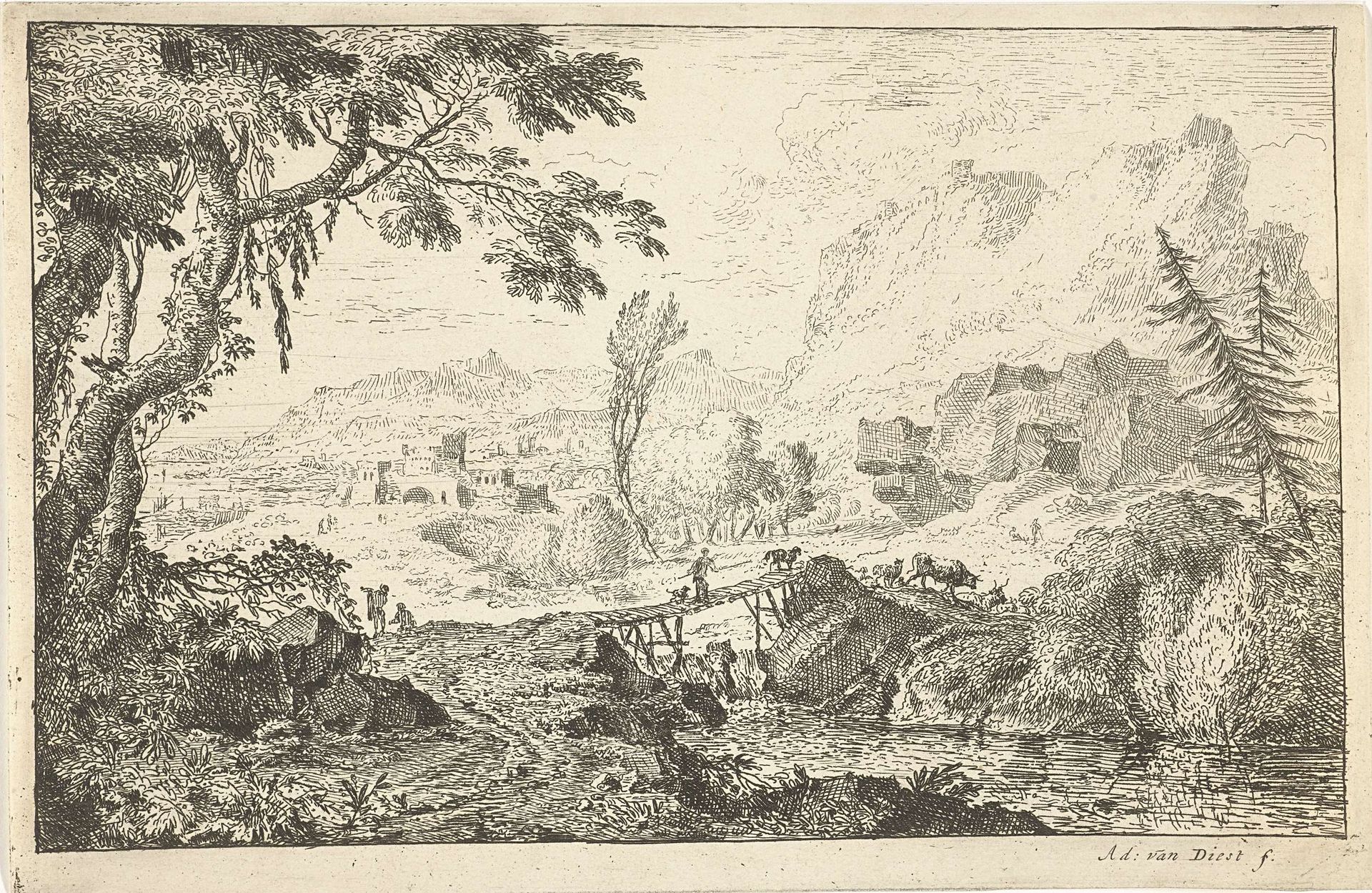
Adriaen van Diest made this drawing, "Landschap met houten brug en herder met vee," using pen and ink, sometime between 1655 and 1704. This landscape harkens back to a pastoral tradition. The image creates meaning through visual codes and historical associations, especially for its original Northern European audience. We see ruins on a hill in the distance, a reminder of the passage of time, the hubris of man, and the restorative power of nature. This imagery flourished in Dutch painting and printmaking. The Dutch Republic was among the first nations to develop a commercial art market and pictures like these found their way into many middle-class homes. The historian's role in the interpretation of art emphasizes the necessity of considering its social and institutional context. What research resources might we use to understand it better? Well, we might start with records of art sales and inventories of domestic possessions.

Artwork details
- Medium
- drawing, ink
- Dimensions
- height 149 mm, width 227 mm
- Copyright
- Rijks Museum: Open Domain
Tags
drawing
baroque
pen drawing
landscape
ink
line
genre-painting
Comments
No comments
About this artwork
Adriaen van Diest made this drawing, "Landschap met houten brug en herder met vee," using pen and ink, sometime between 1655 and 1704. This landscape harkens back to a pastoral tradition. The image creates meaning through visual codes and historical associations, especially for its original Northern European audience. We see ruins on a hill in the distance, a reminder of the passage of time, the hubris of man, and the restorative power of nature. This imagery flourished in Dutch painting and printmaking. The Dutch Republic was among the first nations to develop a commercial art market and pictures like these found their way into many middle-class homes. The historian's role in the interpretation of art emphasizes the necessity of considering its social and institutional context. What research resources might we use to understand it better? Well, we might start with records of art sales and inventories of domestic possessions.
Comments
No comments