1590 - 1633
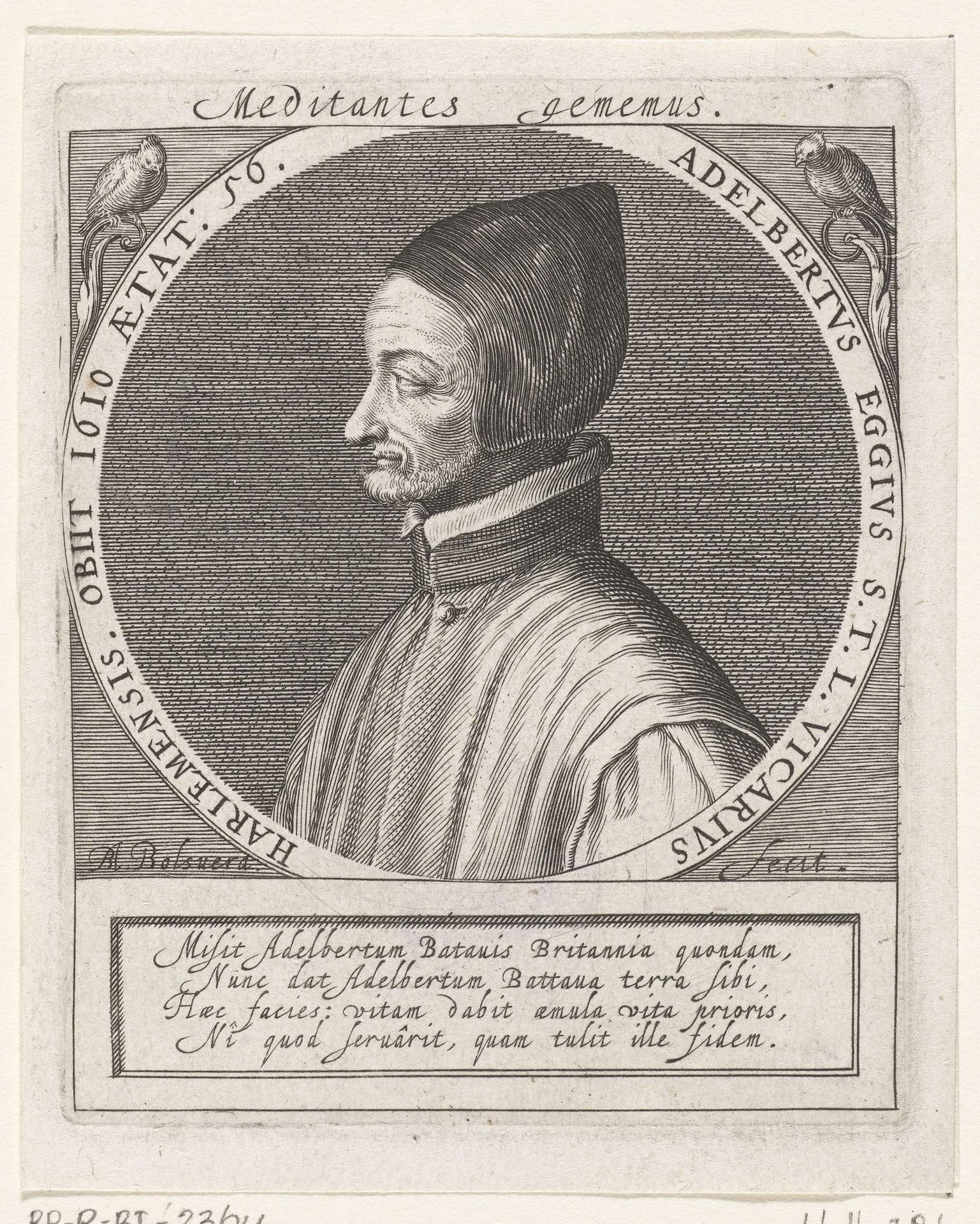
Portret van vicaris Adelbertus Eggius

Boëtius Adamsz. Bolswert
@boetiusadamszbolswertLocation
RijksmuseumListen to curator's interpretation
Curatorial notes
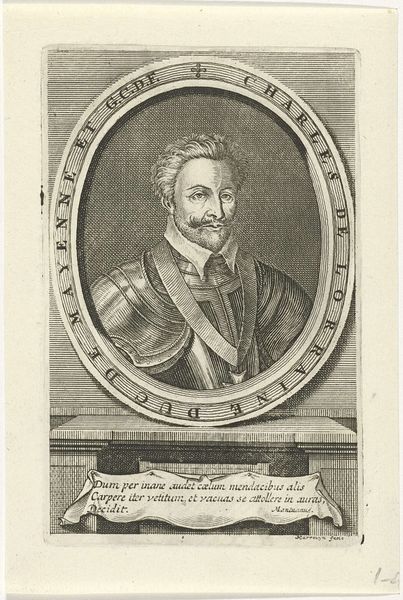
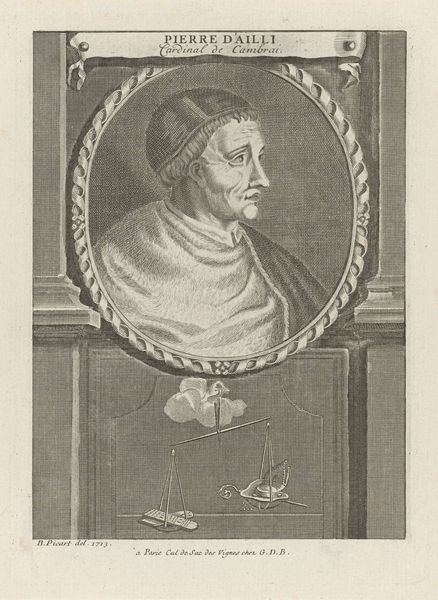
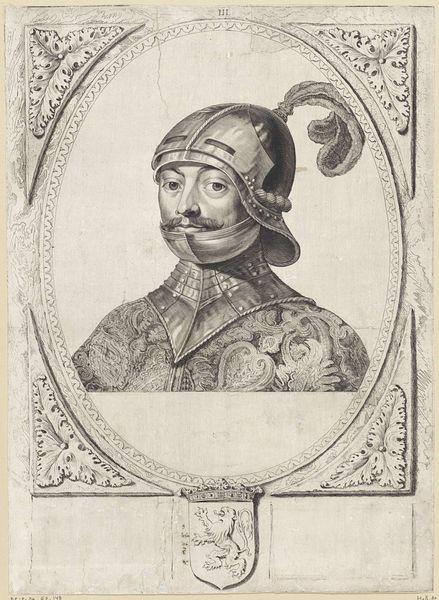
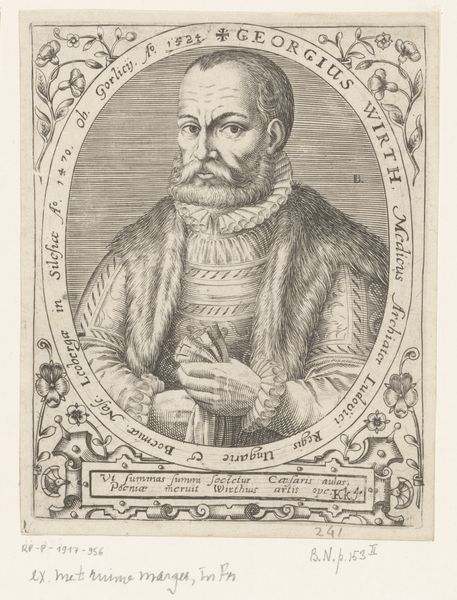
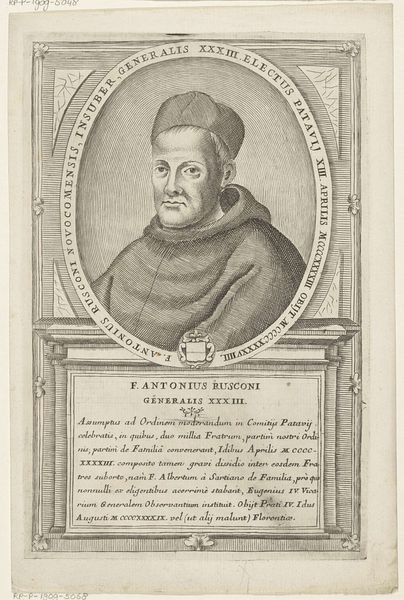
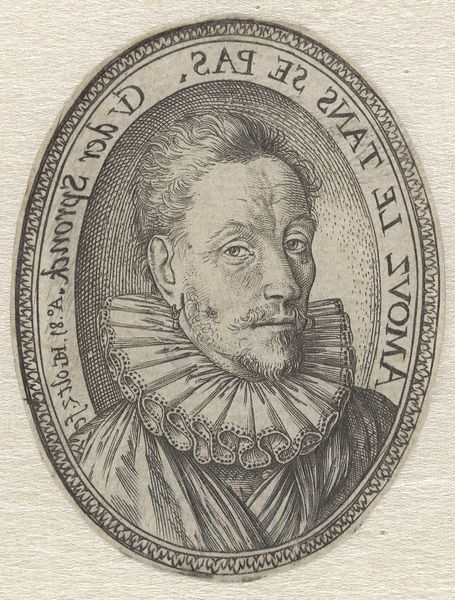
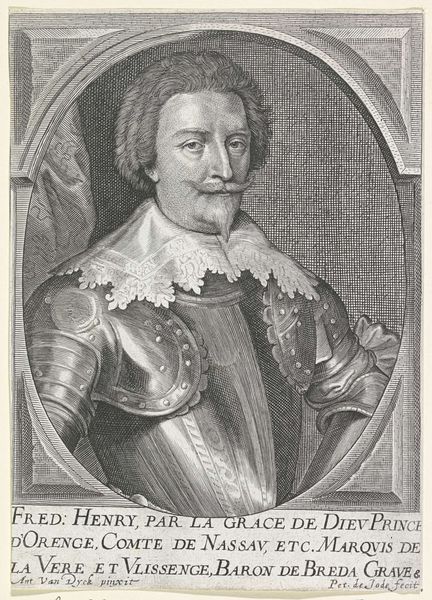
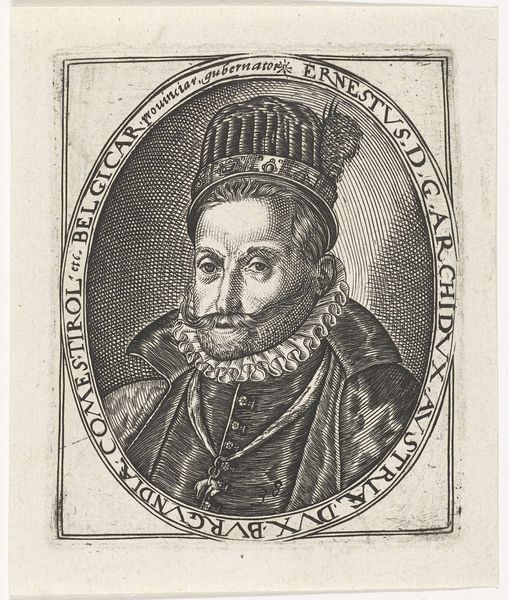
Boëtius Adamsz. Bolswert made this small print, around 1610, using the technique of engraving. An engraver uses a tool called a burin to manually cut lines into a metal plate, which is then inked and printed. Look closely, and you can see the crisp, precise quality of the lines. These aren’t freehand gestures like you’d find in a drawing. Rather, they were achieved through painstaking labor. The amount of work involved in an engraving like this is considerable, and gives the image a very particular feel. Notice how the density of the lines creates areas of shadow, giving depth and volume to the vicar’s face and clothing. Prints like this one played a key role in disseminating images and ideas in the early modern period. They were, in essence, a form of mass production – making images available to a wider audience than ever before. So, next time you look at a print, remember the skill and effort that went into its making, and its important place in the history of visual communication.