About this artwork
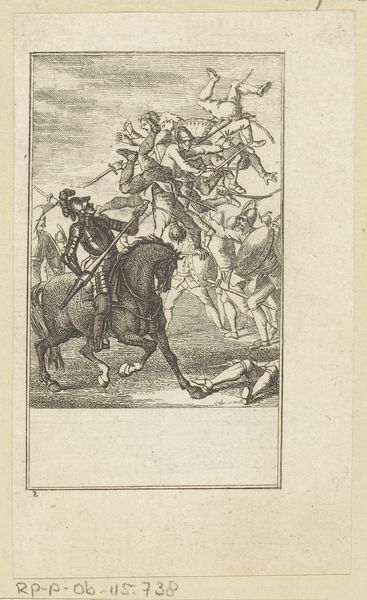
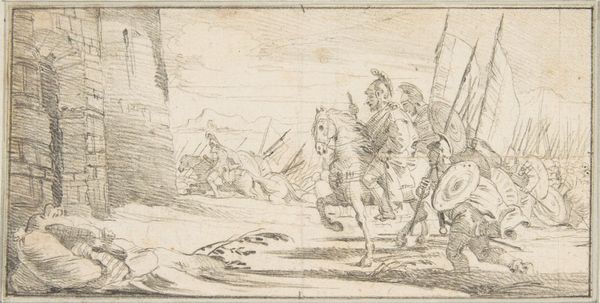
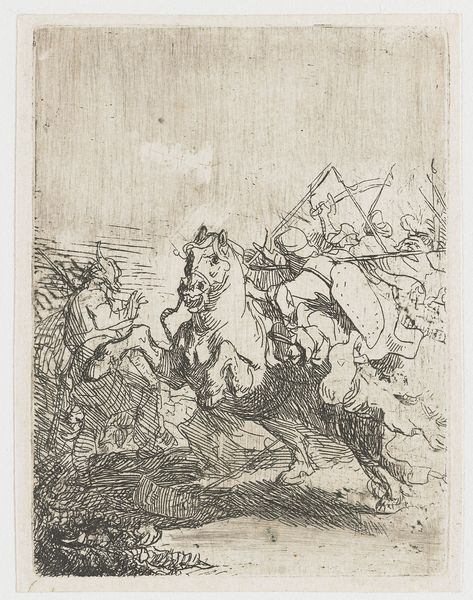
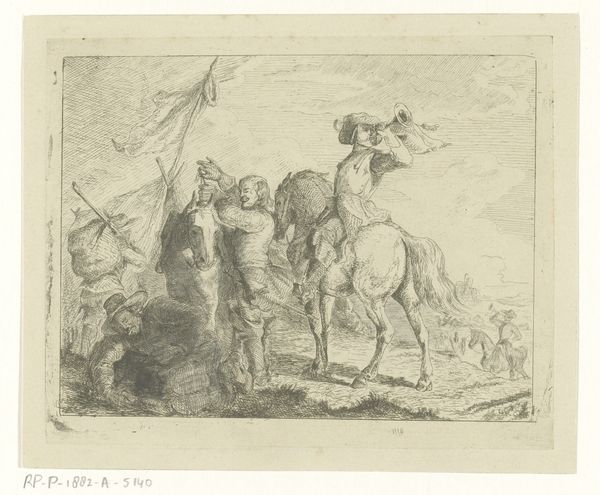
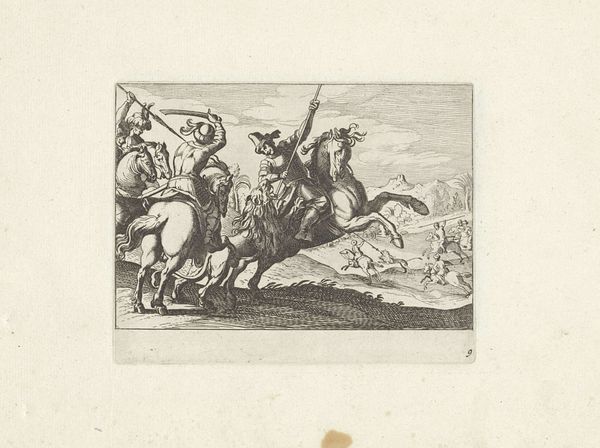
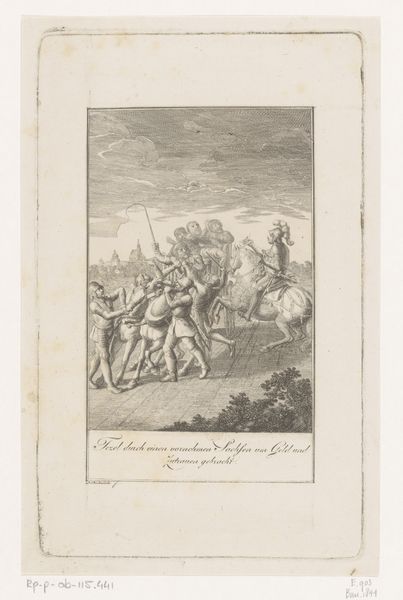
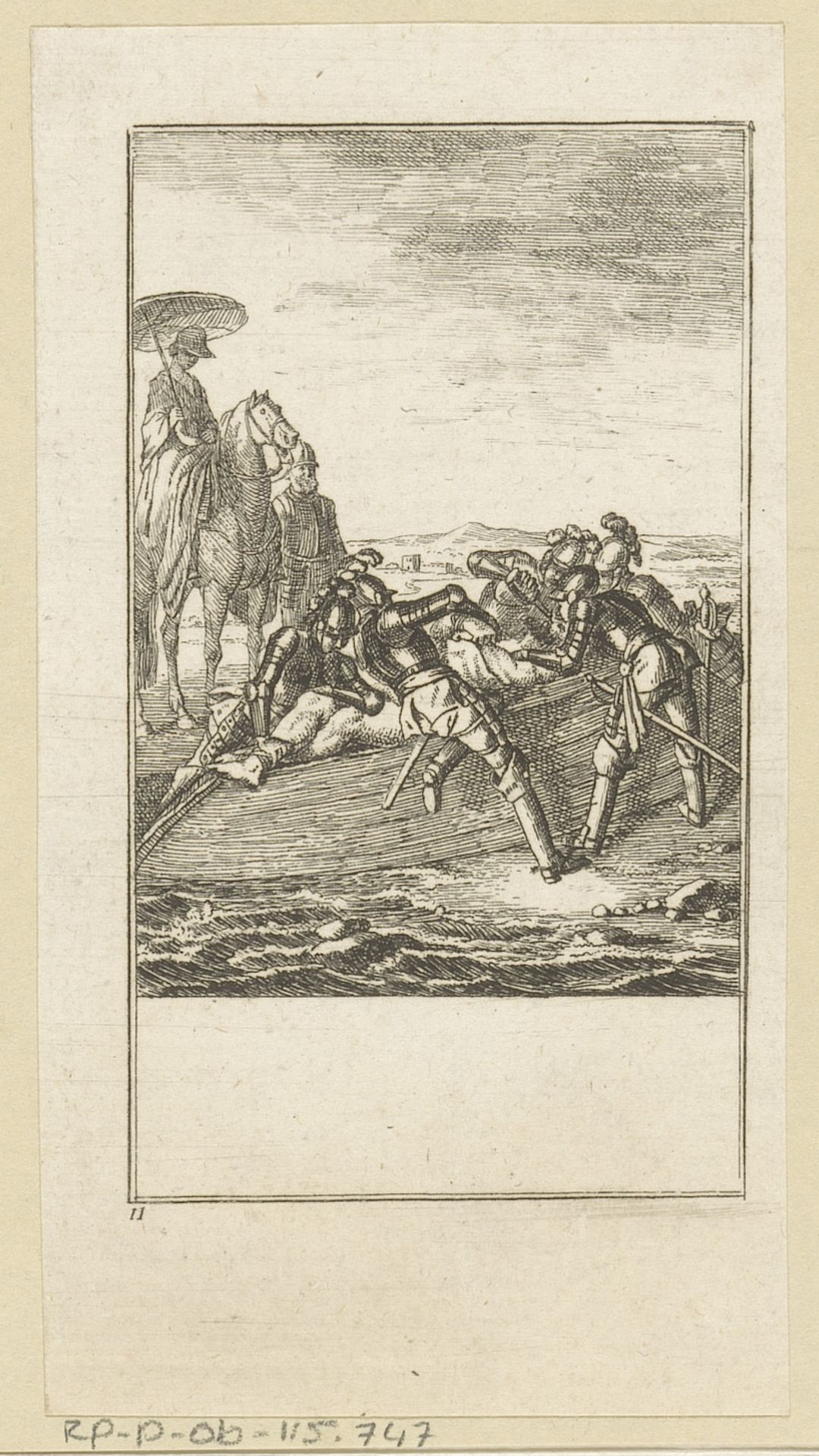
Louis Wilhelm Chodowiecki created this print titled 'Orlando krijgt gedwongen het geneesmiddel door Astolfo toegediend' sometime in the late 18th century. During this period, representations of mental health often carried significant social and cultural weight. This image depicts a scene where Orlando is forcibly given medicine by Astolfo. What strikes me is the power dynamic at play; one character imposes a cure on another, raising questions about agency, consent, and the medical treatment of the time. The figures in armor may reflect societal expectations of masculinity and strength, while the act of administering medicine could be seen as a challenge to those ideals. Through this work, Chodowiecki touches on themes of madness, control, and the imposition of societal norms on individual experience. It invites us to reflect on the complexities of mental health, identity, and the era's medical practices.
Orlando krijgt gedwongen het geneesmiddel door Astolfo toegediend
1771 - 1772

Artwork details
- Dimensions
- height 110 mm, width 59 mm
- Copyright
- Rijks Museum: Open Domain
Comments
Share your thoughts
About this artwork
Louis Wilhelm Chodowiecki created this print titled 'Orlando krijgt gedwongen het geneesmiddel door Astolfo toegediend' sometime in the late 18th century. During this period, representations of mental health often carried significant social and cultural weight. This image depicts a scene where Orlando is forcibly given medicine by Astolfo. What strikes me is the power dynamic at play; one character imposes a cure on another, raising questions about agency, consent, and the medical treatment of the time. The figures in armor may reflect societal expectations of masculinity and strength, while the act of administering medicine could be seen as a challenge to those ideals. Through this work, Chodowiecki touches on themes of madness, control, and the imposition of societal norms on individual experience. It invites us to reflect on the complexities of mental health, identity, and the era's medical practices.
Comments
Share your thoughts