About this artwork
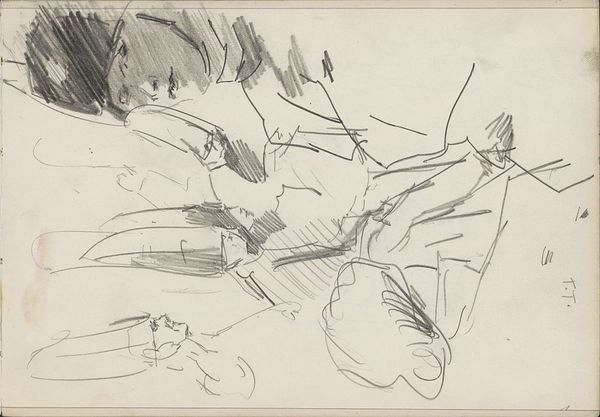
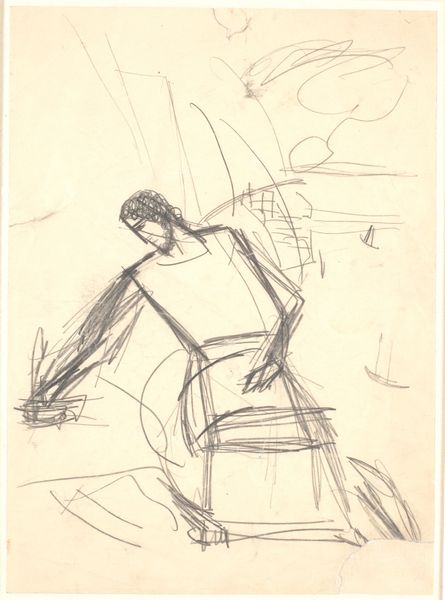
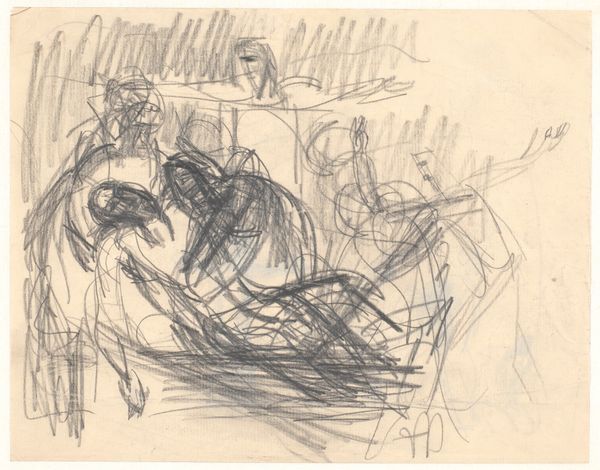
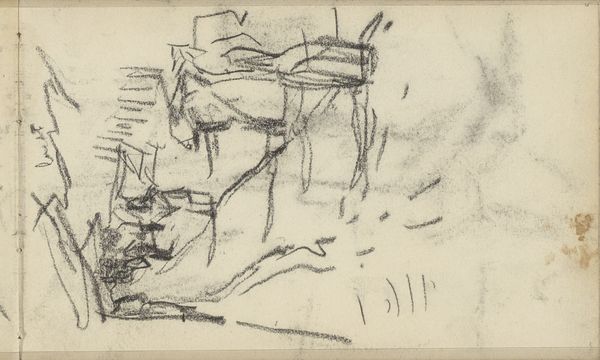
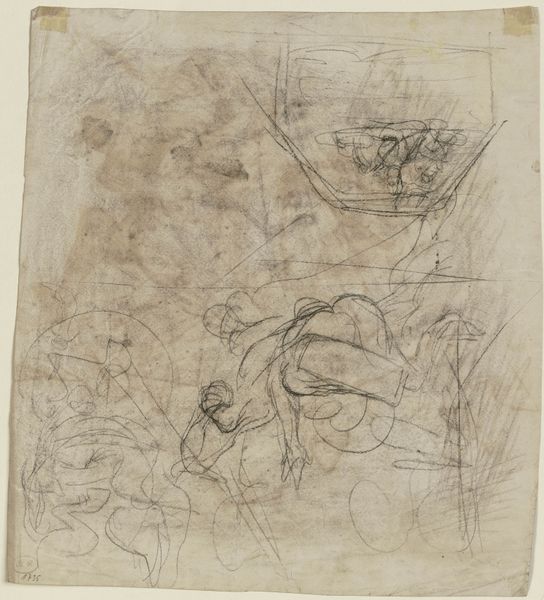
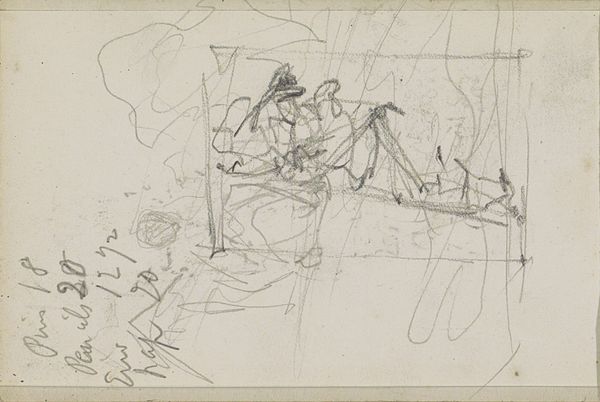
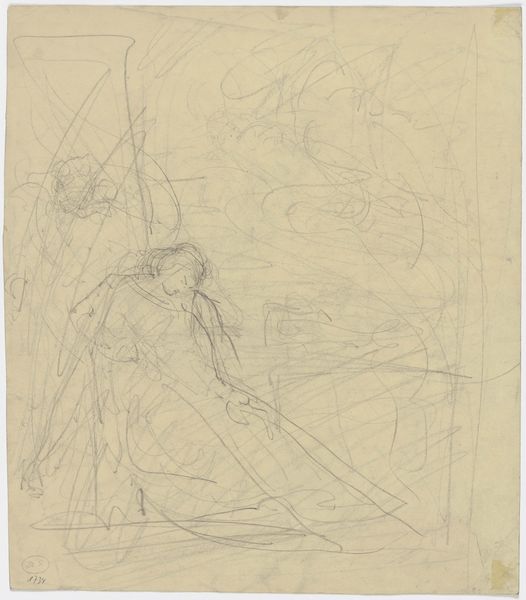
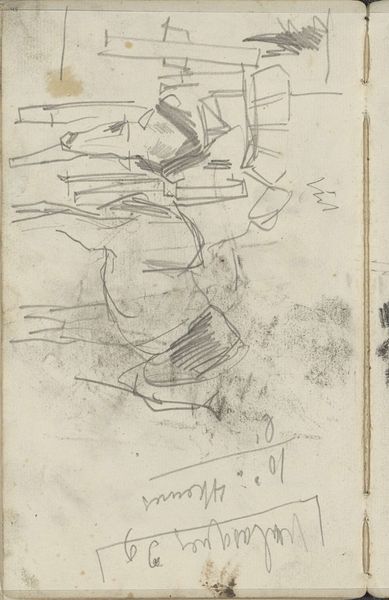
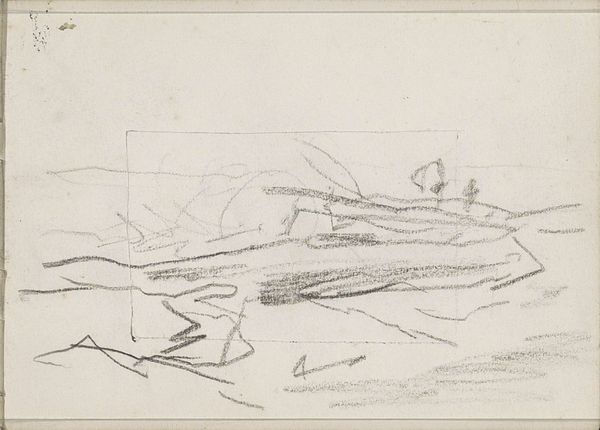
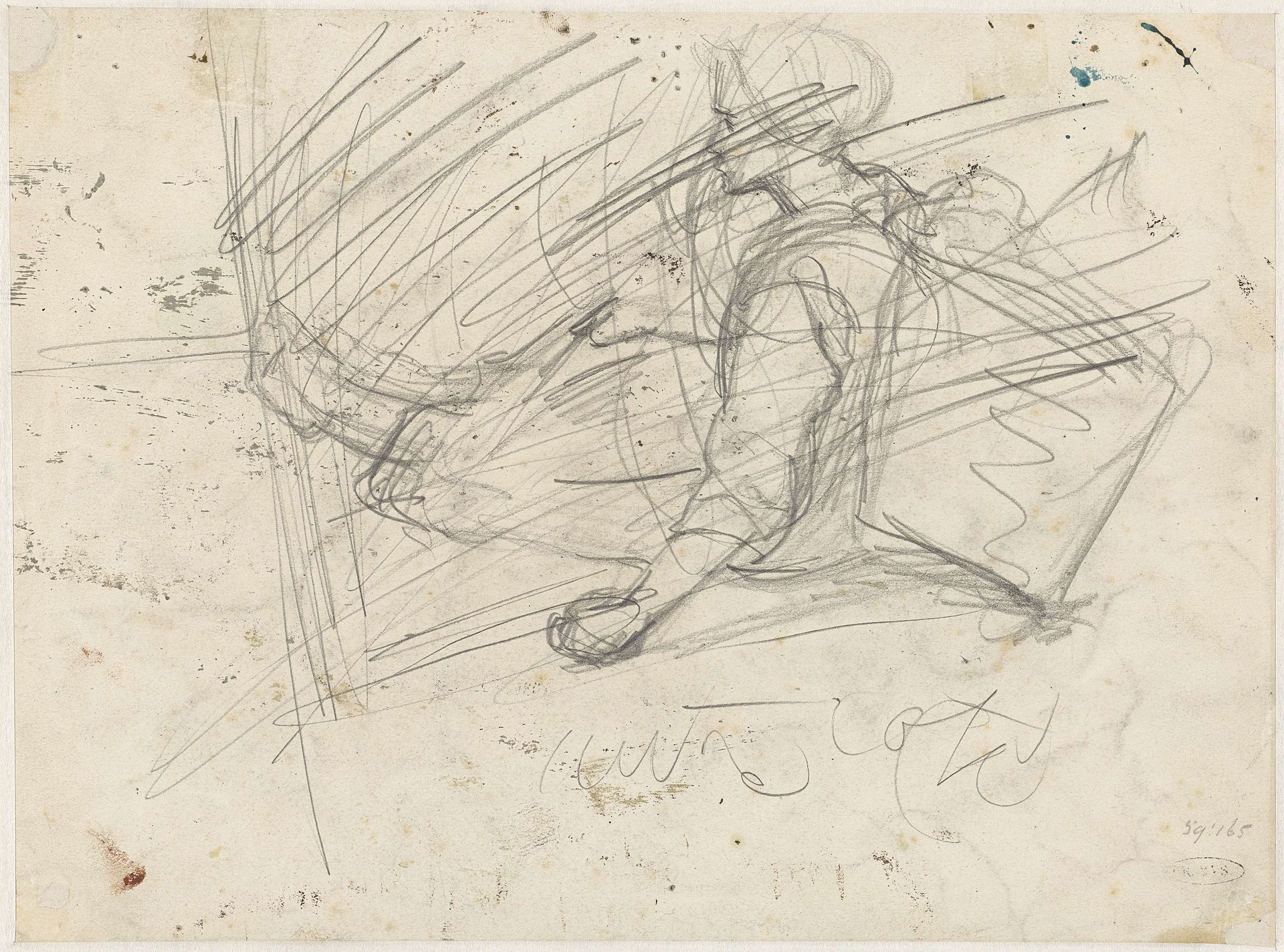
Jozef Israëls sketched this image of a sitting fisher girl in graphite. The work, titled "Schets van een zittend vissersmeisje (doorgestreept)", is particularly interesting, as it gives us insight into the fishing industry and the life of women in the 19th century. Israëls was known for his sympathetic portrayal of the working class. He often depicted fishermen and their families, capturing their daily struggles and quiet dignity. Israëls' commitment to Realism places the figure of the fisher girl in stark contrast to idealized images. It acknowledges the labor and resilience of women, while asking the viewer to see the individual stories of those living on the margins of society. The seemingly simple sketch speaks volumes about the changing social landscape of the 19th century and the shifting representation of women within it. This sketch invites us to consider the artist's process, and the stories of those who often remain unseen.
Schets van een zittend vissersmeisje (doorgestreept)
1834 - 1911

Jozef Israëls
1824 - 1911Location
RijksmuseumArtwork details
- Medium
- drawing, paper, pencil
- Dimensions
- height 232 mm, width 309 mm
- Location
- Rijksmuseum
- Copyright
- Rijks Museum: Open Domain
Tags
Comments
Share your thoughts
About this artwork
Jozef Israëls sketched this image of a sitting fisher girl in graphite. The work, titled "Schets van een zittend vissersmeisje (doorgestreept)", is particularly interesting, as it gives us insight into the fishing industry and the life of women in the 19th century. Israëls was known for his sympathetic portrayal of the working class. He often depicted fishermen and their families, capturing their daily struggles and quiet dignity. Israëls' commitment to Realism places the figure of the fisher girl in stark contrast to idealized images. It acknowledges the labor and resilience of women, while asking the viewer to see the individual stories of those living on the margins of society. The seemingly simple sketch speaks volumes about the changing social landscape of the 19th century and the shifting representation of women within it. This sketch invites us to consider the artist's process, and the stories of those who often remain unseen.
Comments
Share your thoughts