1623
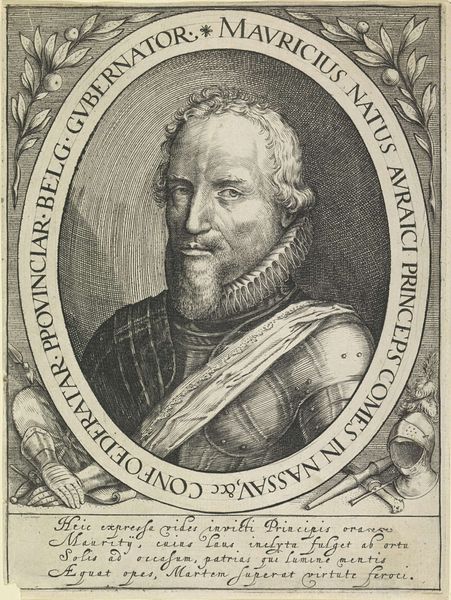
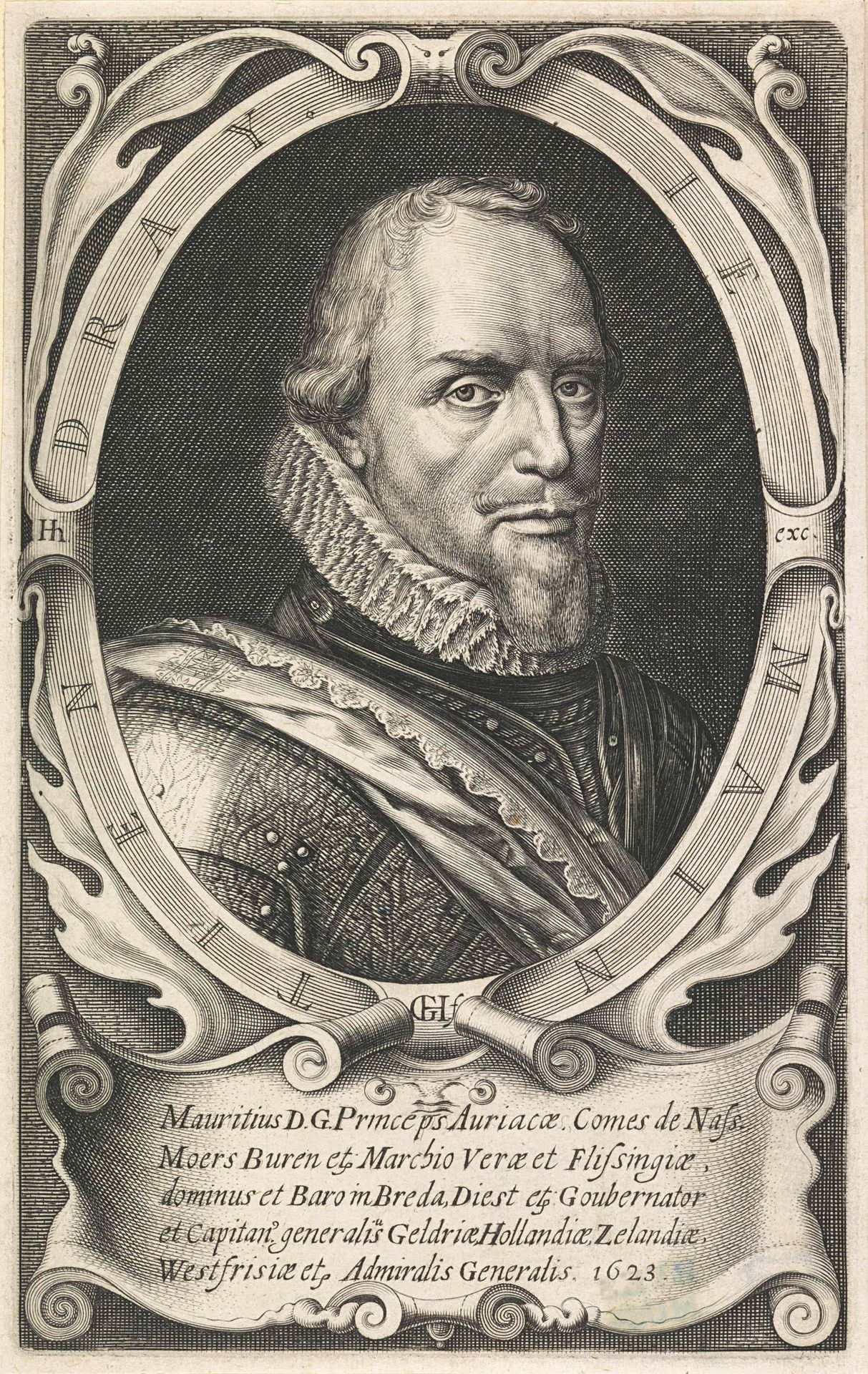
Portret van Maurits, prins van Oranje

Willem Hondius
1597 - 1660Location
RijksmuseumListen to curator's interpretation
Curatorial notes
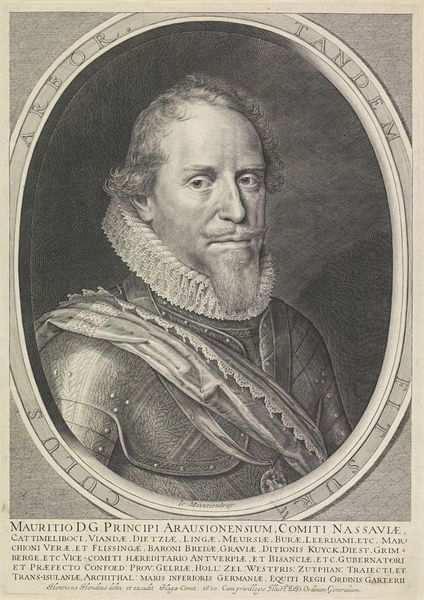
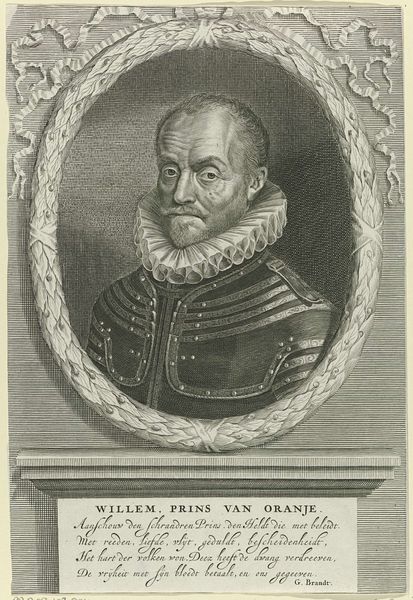
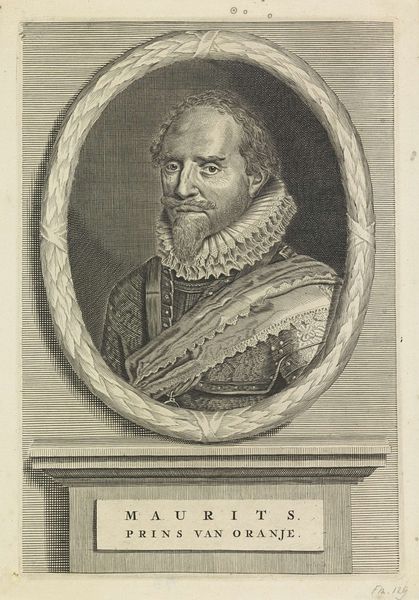
This is Willem Hondius' 1623 engraving of Maurits, Prince of Orange, a powerful man of the Dutch Golden Age. Note the laurel wreath framing Maurits’ portrait, a classical symbol appropriated to denote military and intellectual prowess. Wreaths of laurel leaves can be traced back to ancient Greece, adorning the heads of victors, poets, and emperors. This motif reappears throughout history, often intertwined with notions of triumph and honor. Think of Renaissance paintings depicting Apollo, the god of arts and knowledge, crowned with laurel, or Roman emperors immortalized in sculpture, their brows adorned with the same emblem of glory. The emotional power of such imagery lies in its ability to tap into our collective memory, evoking a sense of reverence and respect. The laurel wreath, a potent symbol, becomes embedded in our subconscious, shaping our perceptions. Its cyclical reappearance reminds us that the past is never truly gone.