About this artwork
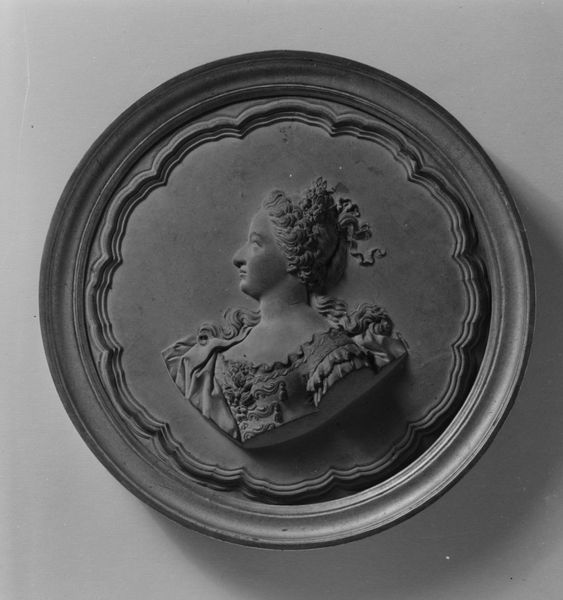
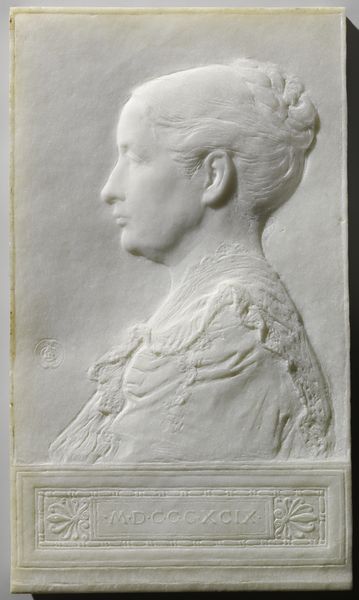
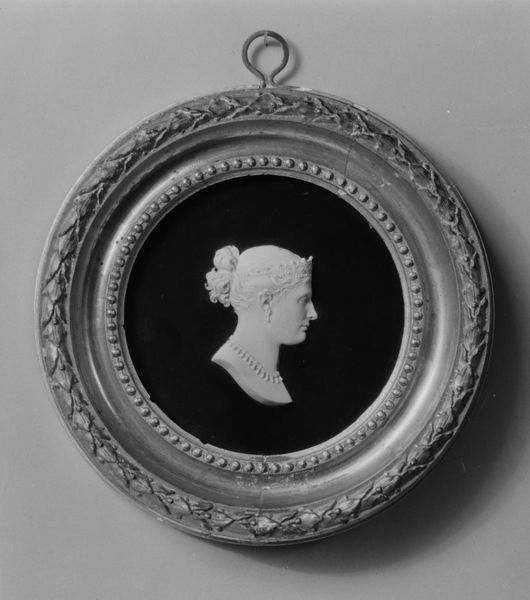
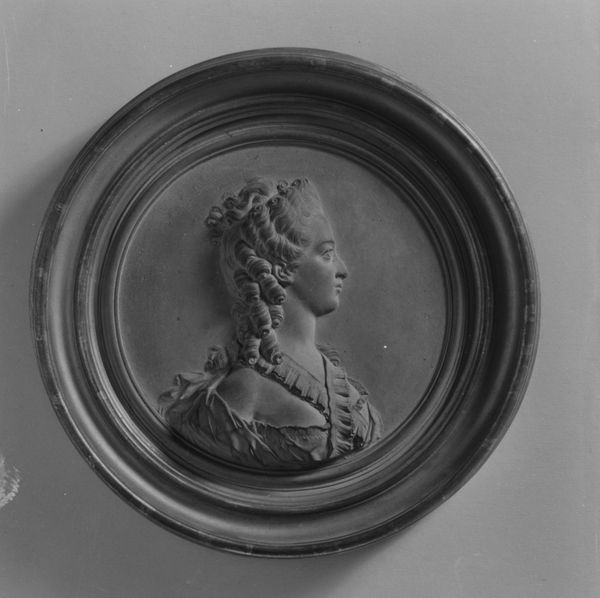
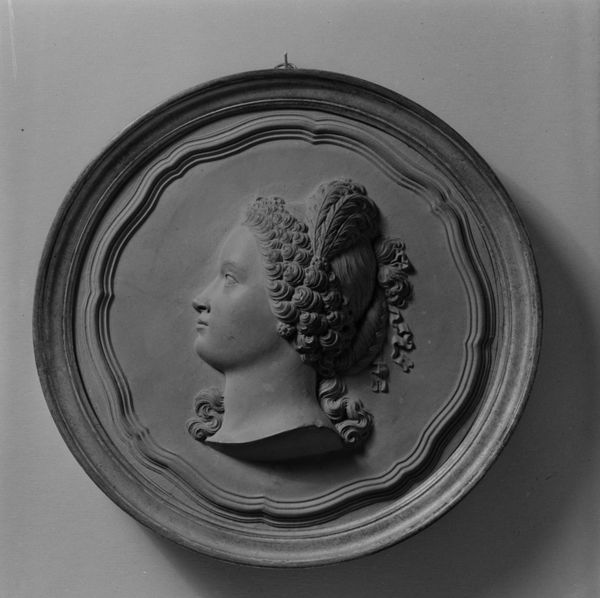
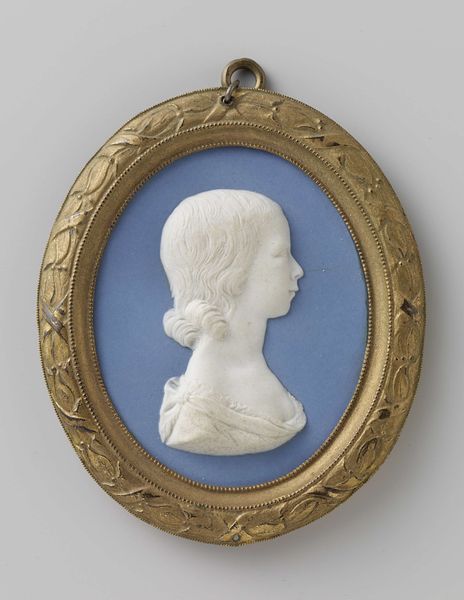
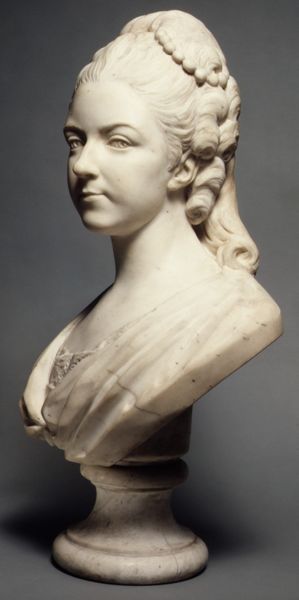
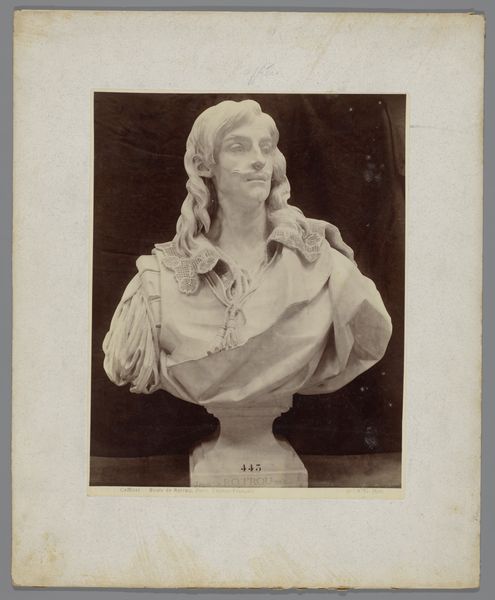
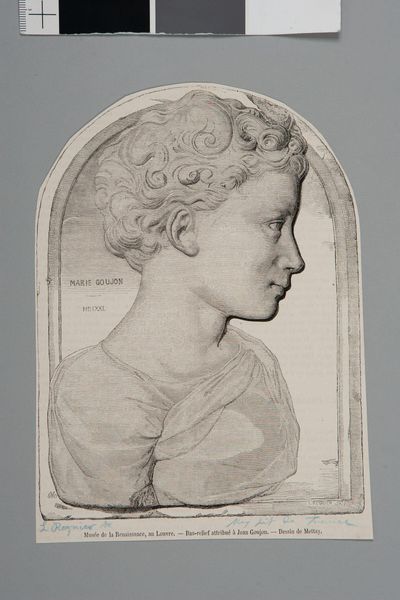
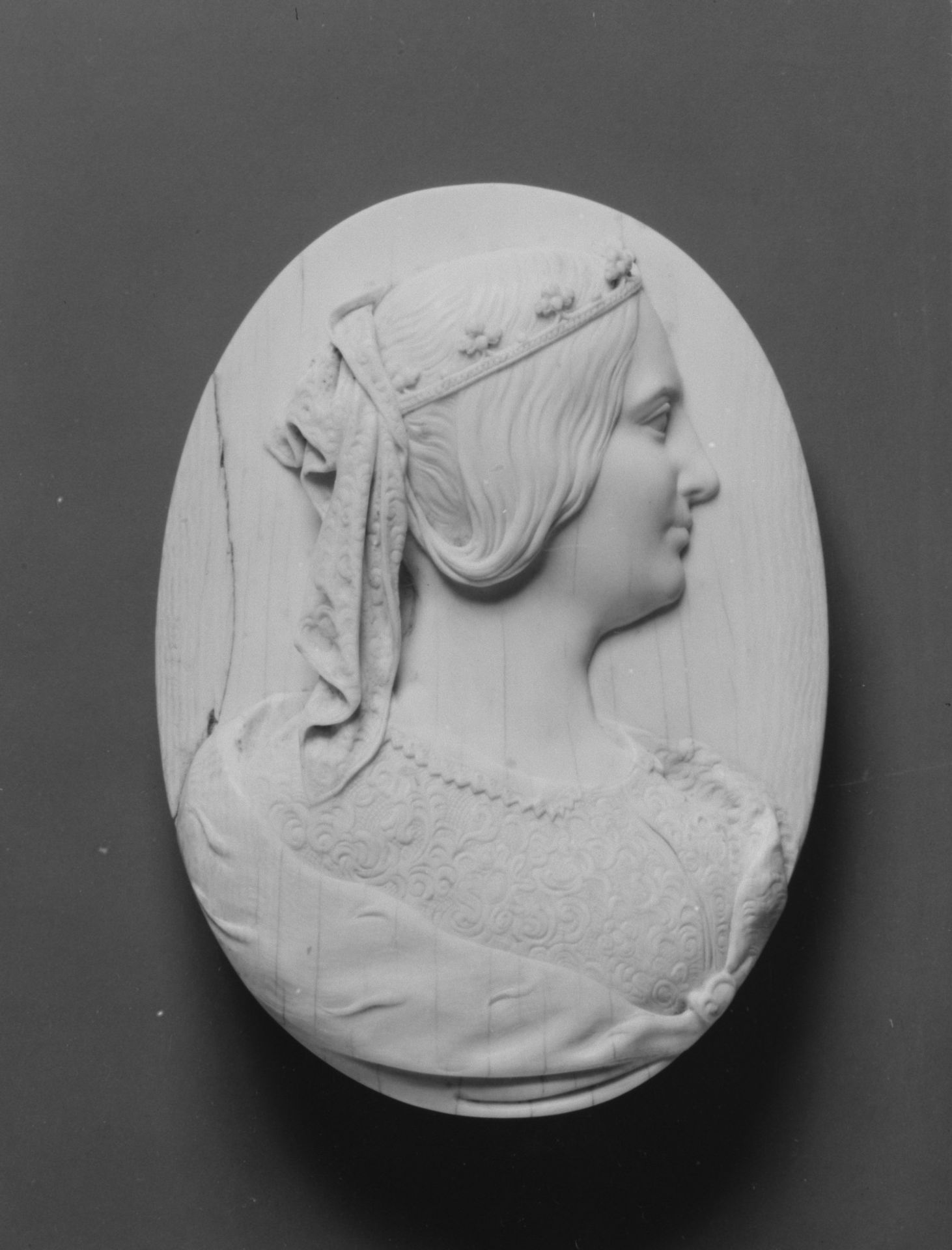
This small ivory carving, "Portrait of a Lady," was created by Norbert Michael Schrödl during the 19th century. Schrödl was active during a time when traditional gender roles were deeply entrenched, especially within the sphere of artistic representation. This work presents a woman in profile, adorned with intricate details that speak to her status. Yet, it is not just a display of wealth; the sensitivity in the carving offers a glimpse into her individual identity. The headdress and dress are rendered with such detail that viewers can imagine the feel of the fabric against the skin. We might consider how women were often depicted in art during this period, primarily through the male gaze. Was Schrödl subtly challenging this dynamic by infusing the portrait with a sense of quiet strength? Or was he simply perpetuating an established order? "Portrait of a Lady" invites us to reflect on the untold stories of women from the past.
Portrait of a Lady
1850

Norbert Michael Schrödl
1816 - 1890
The Metropolitan Museum of Art
Metropolitan Museum of Art, New York, NYArtwork details
- Medium
- relief, sculpture, marble, ivory
- Dimensions
- Height (with frame): 5 1/8 in. (13 cm)
- Location
- Metropolitan Museum of Art, New York, NY
- Copyright
- Public Domain
Tags
Comments
Share your thoughts
About this artwork
This small ivory carving, "Portrait of a Lady," was created by Norbert Michael Schrödl during the 19th century. Schrödl was active during a time when traditional gender roles were deeply entrenched, especially within the sphere of artistic representation. This work presents a woman in profile, adorned with intricate details that speak to her status. Yet, it is not just a display of wealth; the sensitivity in the carving offers a glimpse into her individual identity. The headdress and dress are rendered with such detail that viewers can imagine the feel of the fabric against the skin. We might consider how women were often depicted in art during this period, primarily through the male gaze. Was Schrödl subtly challenging this dynamic by infusing the portrait with a sense of quiet strength? Or was he simply perpetuating an established order? "Portrait of a Lady" invites us to reflect on the untold stories of women from the past.
Comments
Share your thoughts