graphic-art, print, typography, engraving
#
graphic-art
# print
#
typography
#
northern-renaissance
#
engraving
Dimensions: height 18 mm, width 18 mm
Copyright: Rijks Museum: Open Domain
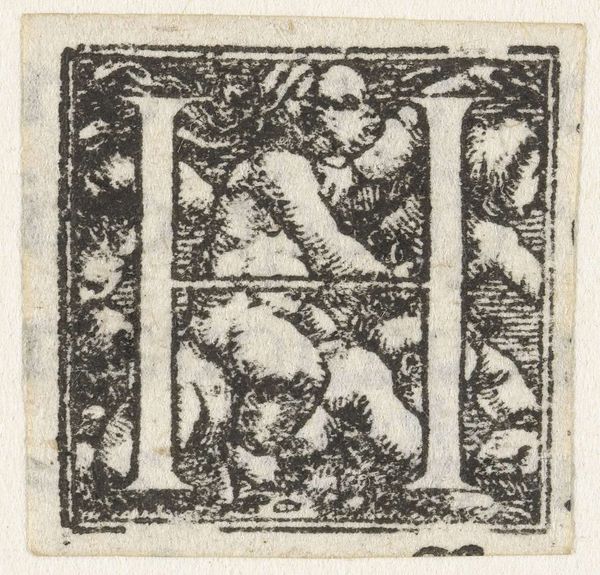
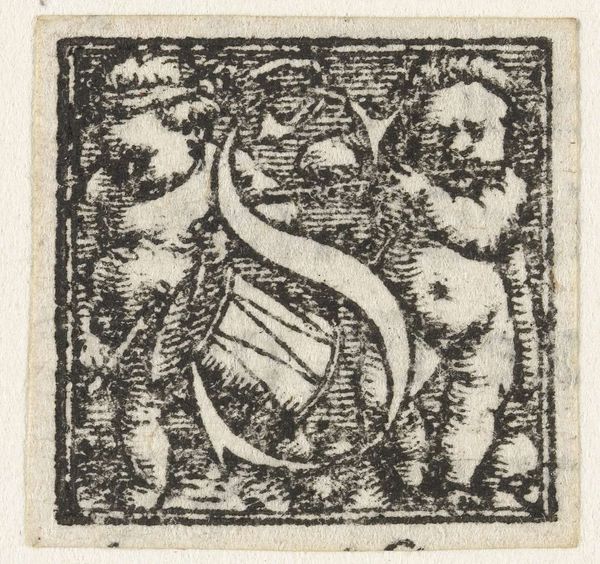
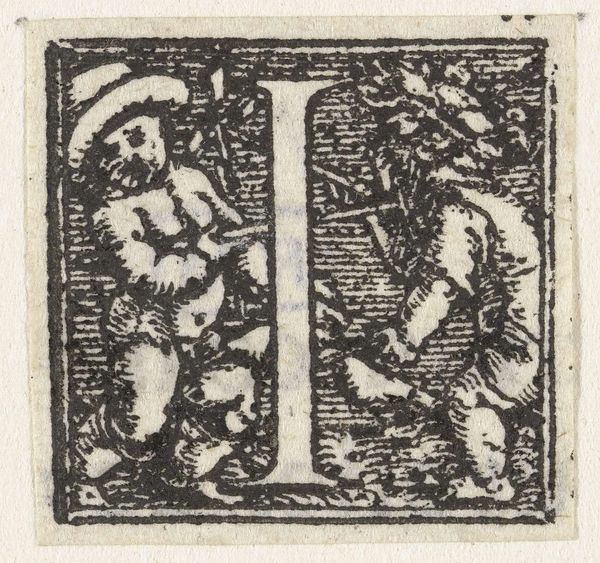
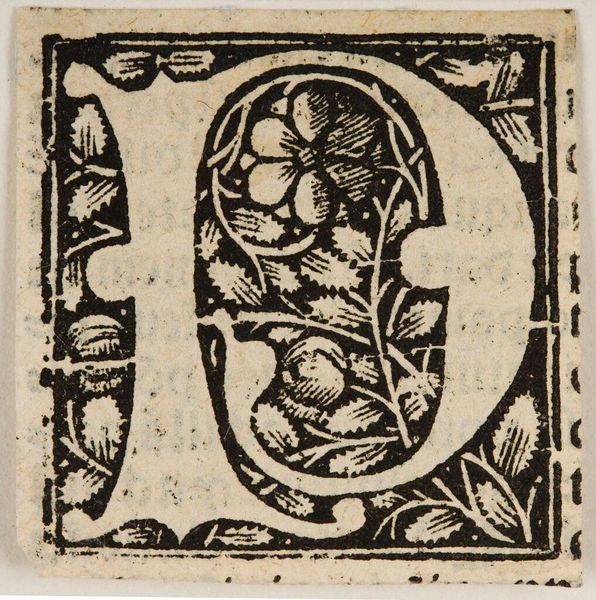
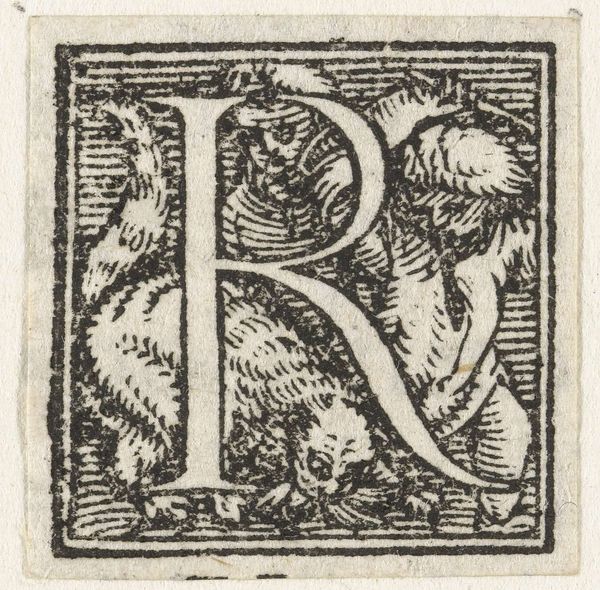
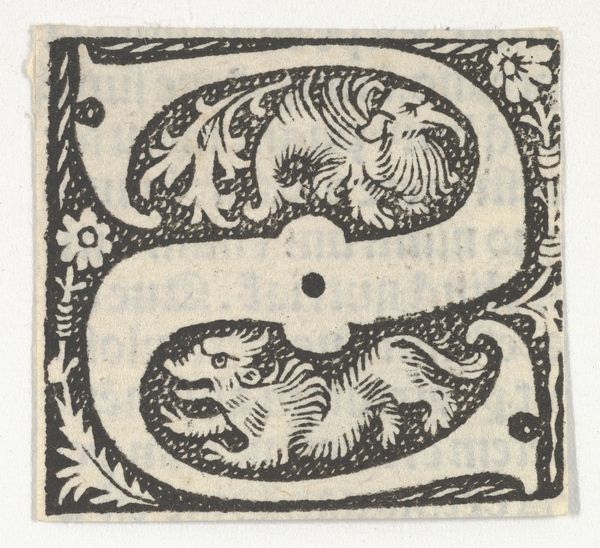
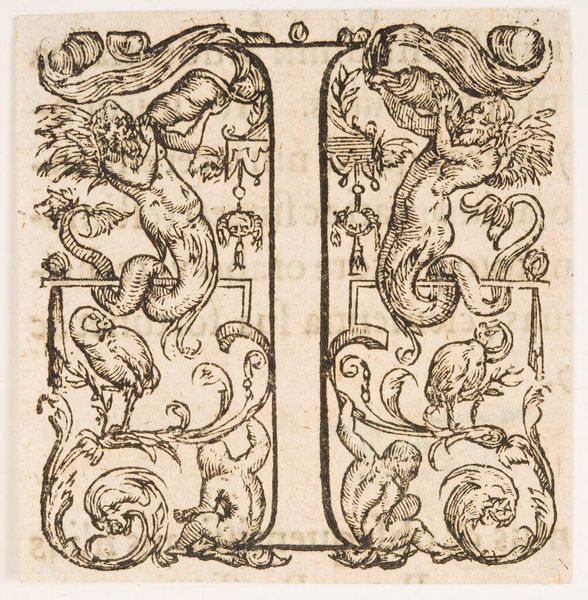
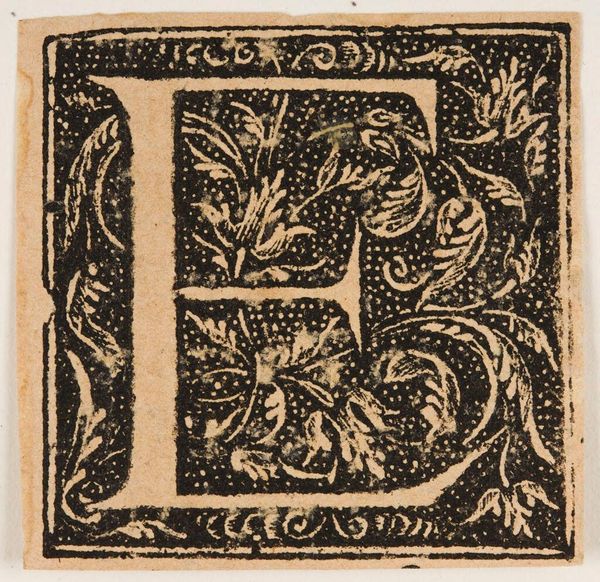
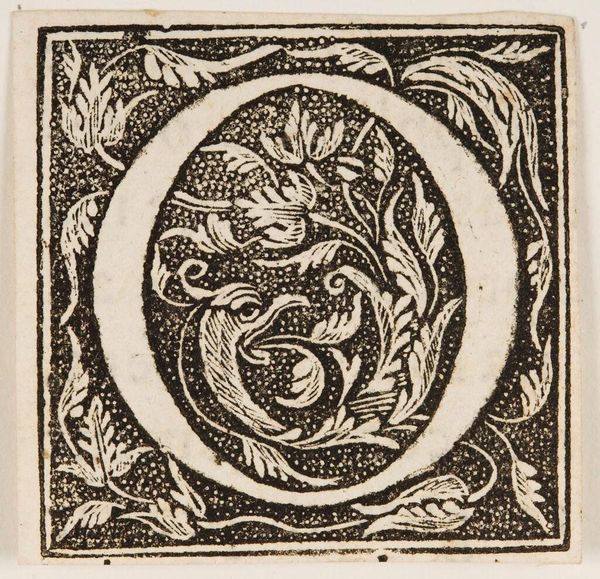
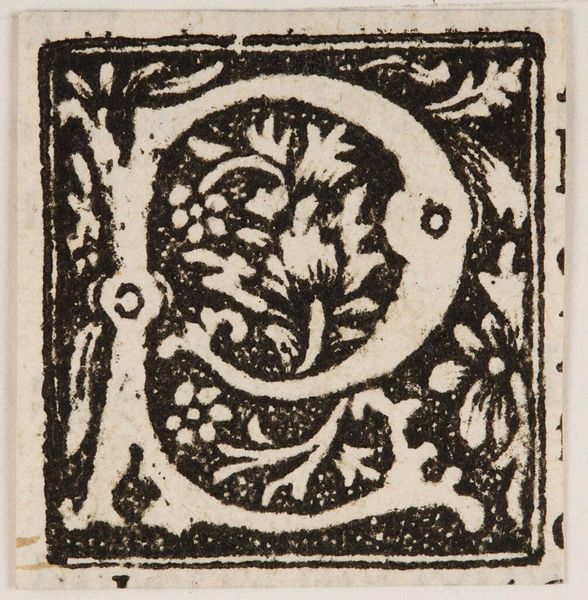
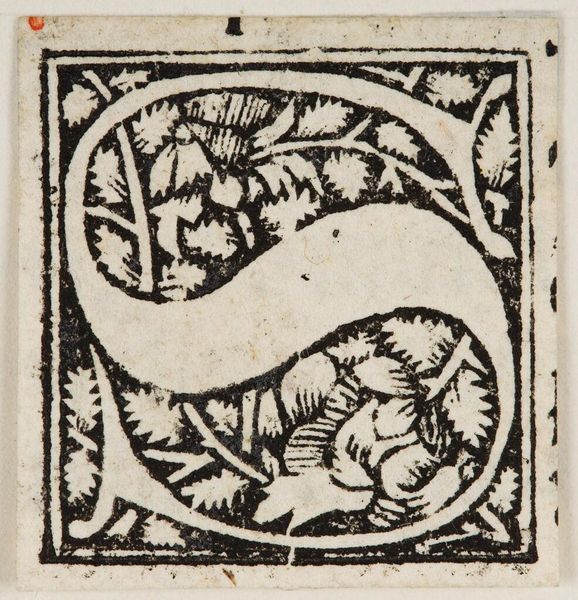
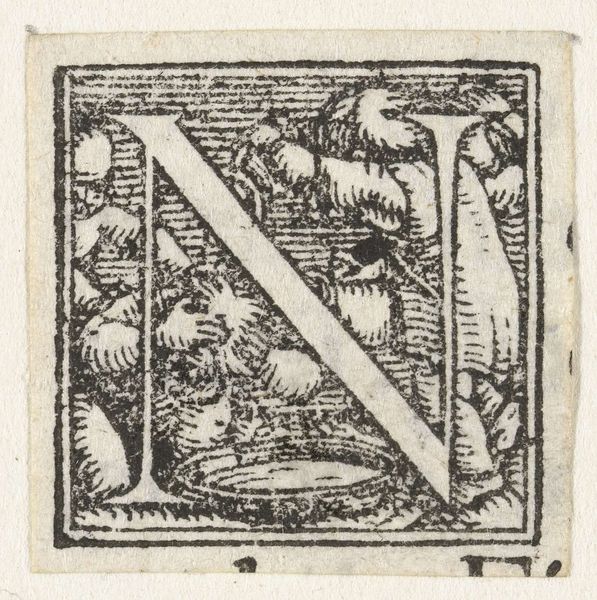
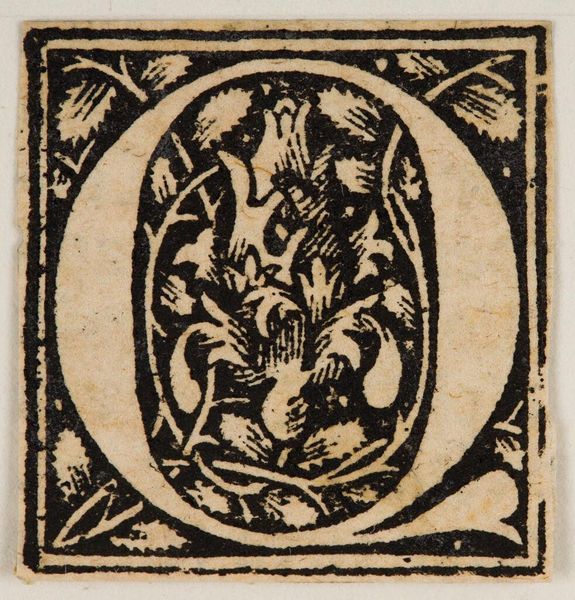
This small woodcut, "Letter E met drie zittende kinderen," was made by Hans Holbein the Younger, a German artist active in the early 16th century. Holbein's career unfolded against the backdrop of the Reformation, a period of immense religious and social upheaval. This initial "E" is part of a series, each letter intricately designed with scenes that offer glimpses into the era's cultural values and social structures. Within the letter's form, three children are seated, their presence suggesting themes of innocence, education, and the family. Holbein’s work often navigated the complexities of his time, balancing humanist interests with religious and political realities. The choice of children as a motif invites reflection on the period's views on childhood, and family dynamics. These images encourage us to consider the relationship between personal experience and broader historical narratives, and what it meant to grow up in a world undergoing profound transformation.
Comments
No comments
Be the first to comment and join the conversation on the ultimate creative platform.
 Collect
 React
React Comment
More like this