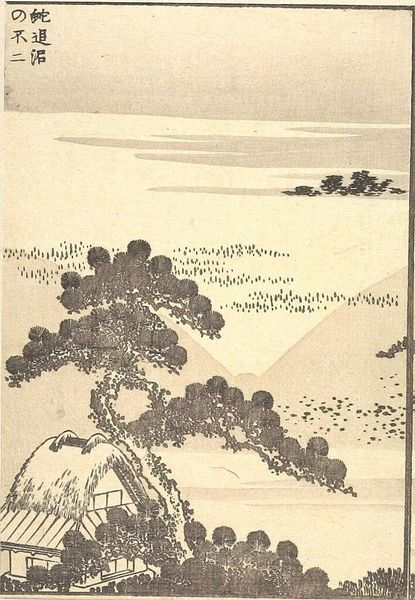
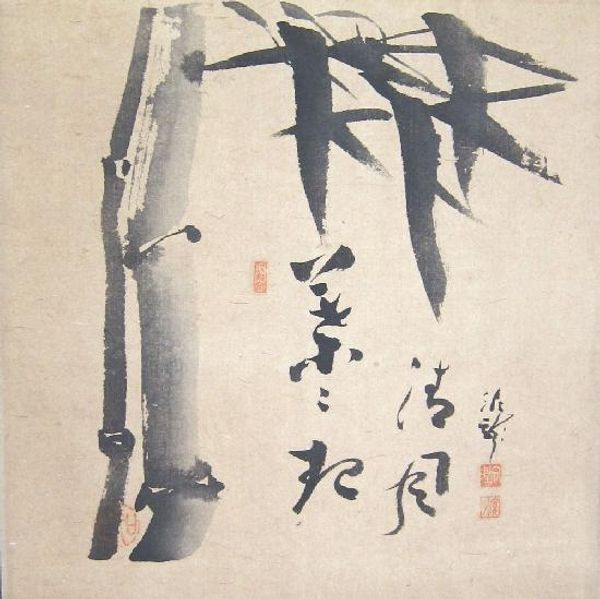
drawing, impasto, ink
drawing
quirky sketch
pen sketch
pencil sketch
asian-art
incomplete sketchy
landscape
form
impasto
ink
fluid art
pen-ink sketch
orientalism
rough sketch
line
sketchbook art
fantasy sketch
initial sketch
Copyright: Public domain China
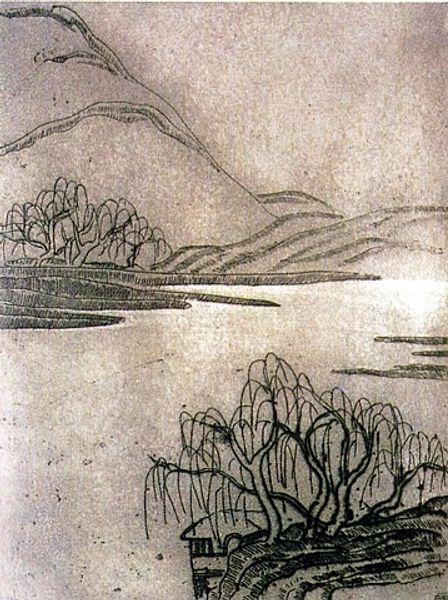
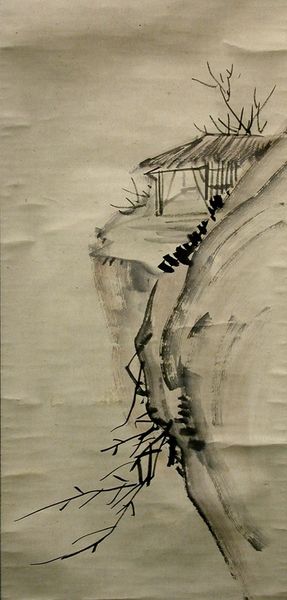
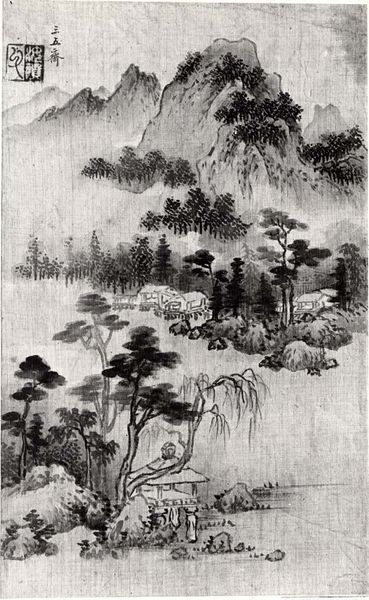
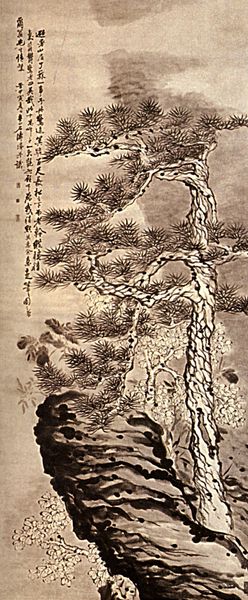
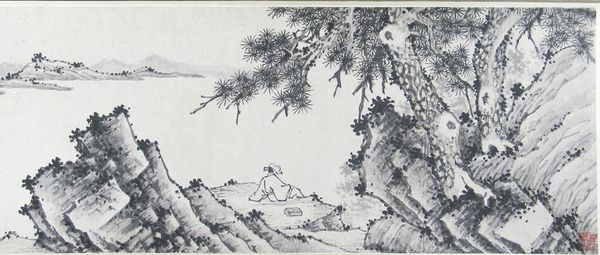
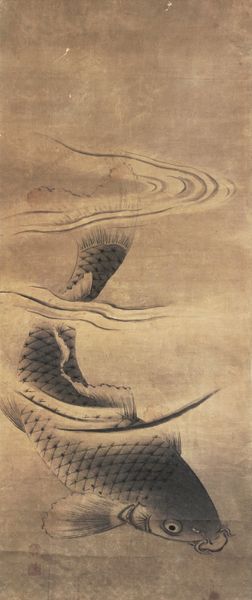
Editor: Here we have Sanyu's "Plum Blossoms" from 1930, crafted with ink, possibly also impasto and drawing. It's strikingly simple, yet there's a depth that pulls you in. What stands out to you most about this piece? Curator: For me, it’s about understanding the materials at play. The ink, applied with what looks like deliberate, almost repetitive strokes, speaks to a specific labor process. Are we seeing a commentary on industrialized art production versus the traditional hand? Editor: That’s interesting! I hadn't considered it in relation to production. The seeming spontaneity feels so personal. Curator: Perhaps. But consider the widespread availability of ink, its history of being both an artistic tool and a functional one. Does Sanyu elevate ink to ‘high art’, or democratize artistic practice by employing this readily accessible material? Editor: So, the medium itself carries a message about accessibility and maybe challenges the elite status of art? How does the “orientalism” tag fit into that? Curator: Precisely. “Orientalism” places it within a complicated market of cultural consumption. Was Sanyu responding to or complicit with the Western fascination with Eastern aesthetics, and the labor involved in its supply? Was this for European taste, made of European materials? Editor: I see your point! So, even something that seems like a quiet landscape drawing becomes a complex commentary on the art market and the means of its production. Curator: Exactly. And the viewer becomes a consumer within that context, complicit through appreciation. Editor: I hadn't really thought of it that way, looking at the materials and where the piece fits into broader economies. That really gives a fresh perspective! Thanks. Curator: Indeed! It reminds us to always question not just what we see, but *how* it was made and the cultural exchanges it represents.
Comments
No comments
Be the first to comment and join the conversation on the ultimate creative platform.
 React
React Comment