About this artwork
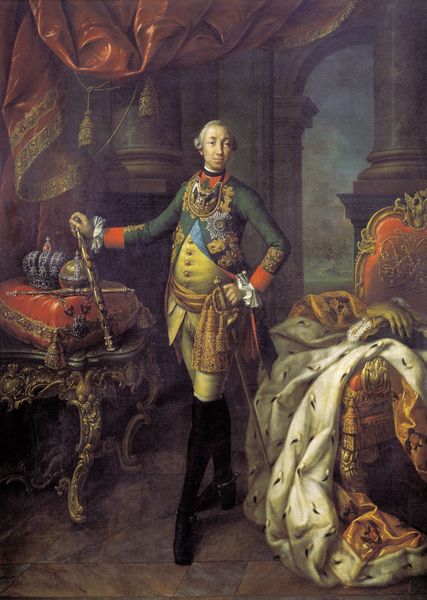
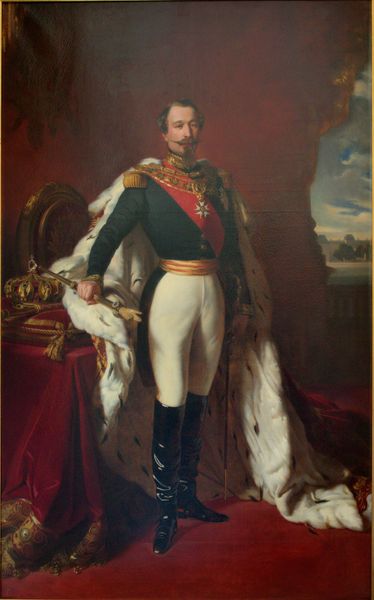
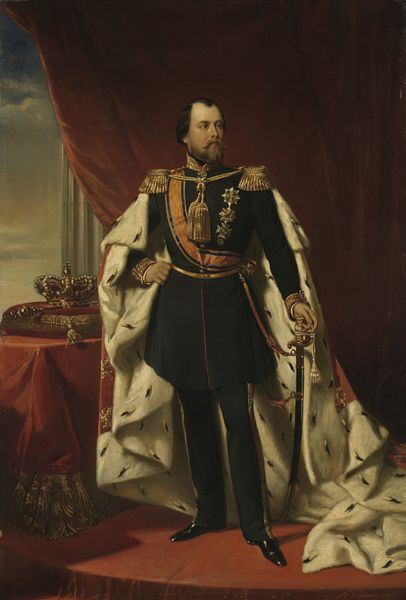
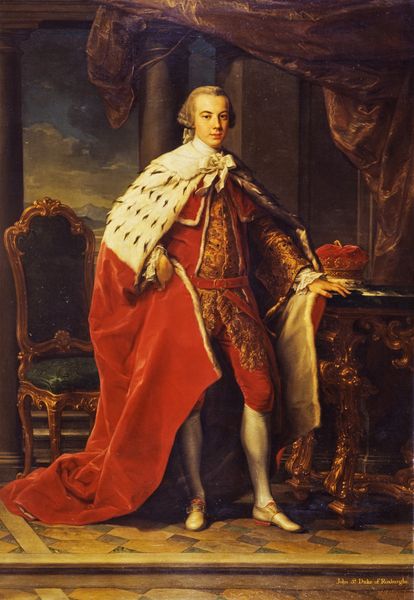
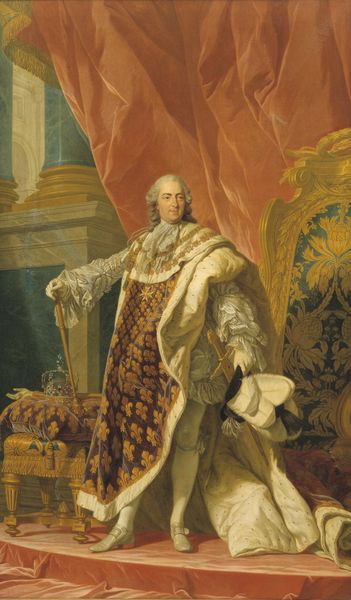
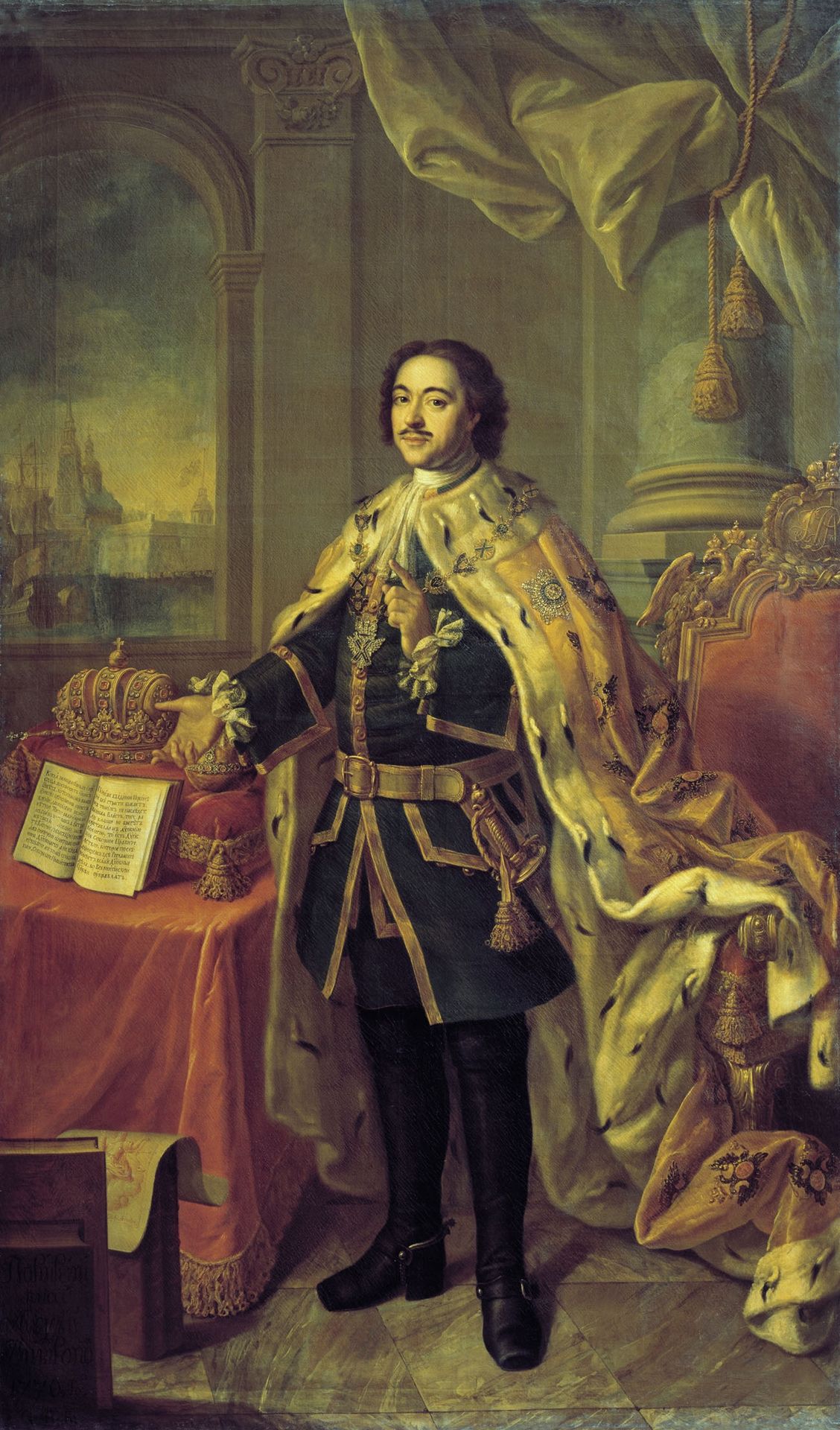
Aleksey Antropov painted this portrait of Tsar Peter I using oil on canvas. The symbols of power are everywhere. Peter is adorned with ermine, a scepter, and a crown—objects that speak to the divine right of kings. He is also pointing to a book resting on the table. The gesture of pointing can be seen in other royal portraits across Europe. Consider its echoes in ancient Roman statues where emperors signal their authority. The finger is a fascinating symbol of agency and control; we see it recur through history, most notably, perhaps, in religious art, where the divine finger of God gives life to Adam. Here, it grounds Peter I in a lineage of power, but it does so with a modern twist: his crown sits next to an open book, rather than atop his head. The gesture suggests he’s not just a ruler but a scholar, emphasizing the importance of knowledge, perhaps, over tradition. These are old symbols imbued with new meaning for a new era.

Artwork details
- Copyright
- Public domain
Tags
portrait
charcoal drawing
possibly oil pastel
charcoal art
oil painting
famous-people
male-portraits
acrylic on canvas
underpainting
arch
painting painterly
portrait art
watercolor
fine art portrait
Comments
Be the first to share your thoughts about this work.
About this artwork
Aleksey Antropov painted this portrait of Tsar Peter I using oil on canvas. The symbols of power are everywhere. Peter is adorned with ermine, a scepter, and a crown—objects that speak to the divine right of kings. He is also pointing to a book resting on the table. The gesture of pointing can be seen in other royal portraits across Europe. Consider its echoes in ancient Roman statues where emperors signal their authority. The finger is a fascinating symbol of agency and control; we see it recur through history, most notably, perhaps, in religious art, where the divine finger of God gives life to Adam. Here, it grounds Peter I in a lineage of power, but it does so with a modern twist: his crown sits next to an open book, rather than atop his head. The gesture suggests he’s not just a ruler but a scholar, emphasizing the importance of knowledge, perhaps, over tradition. These are old symbols imbued with new meaning for a new era.
Comments
Be the first to share your thoughts about this work.