1923
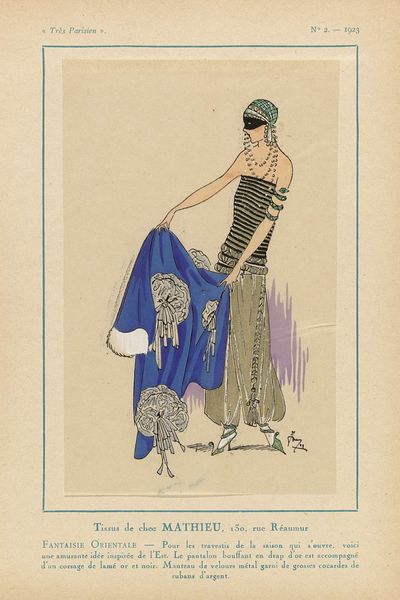
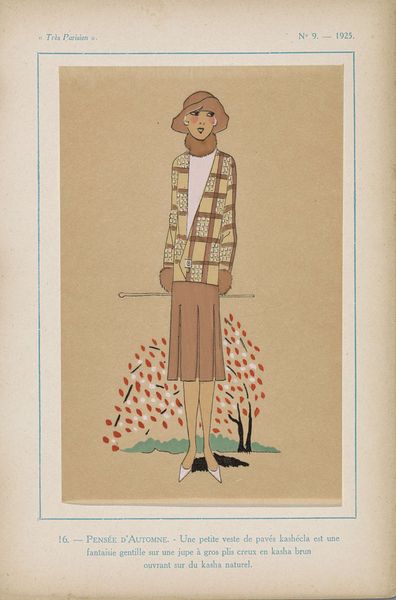
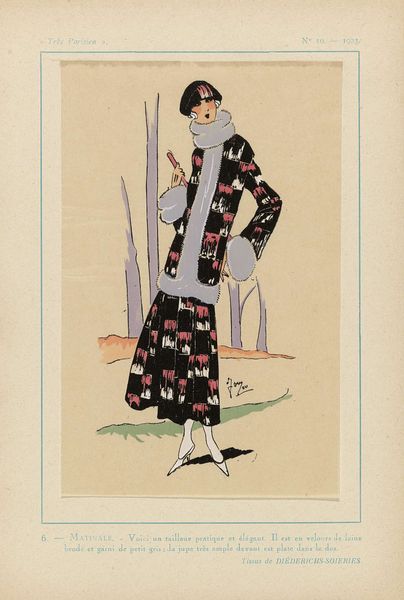
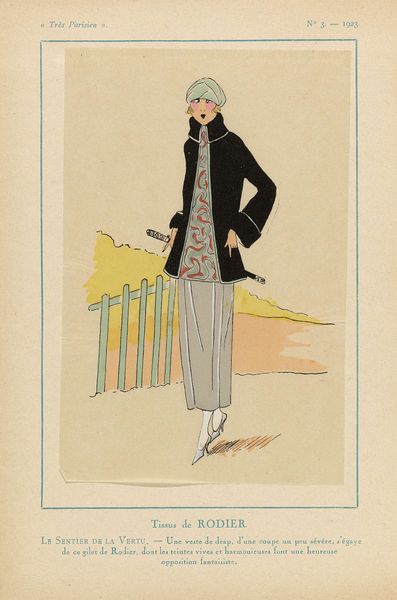
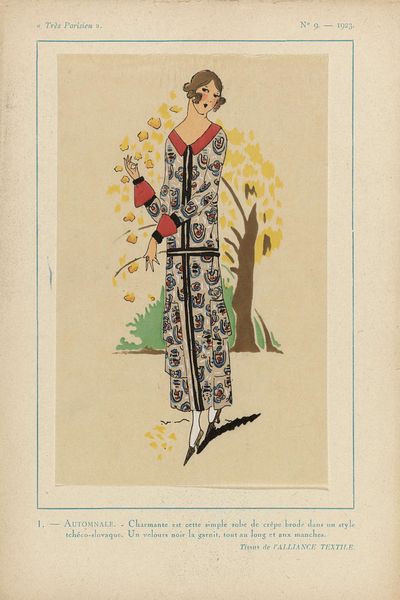
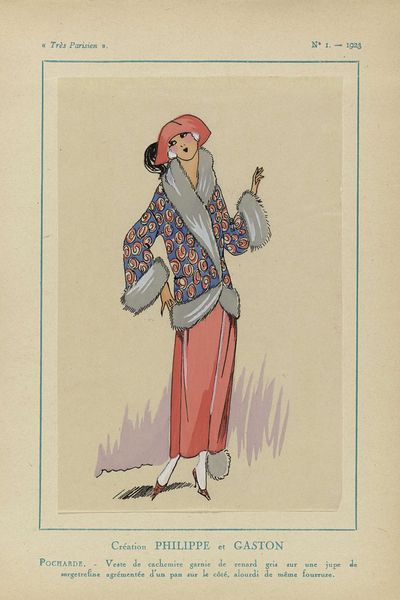
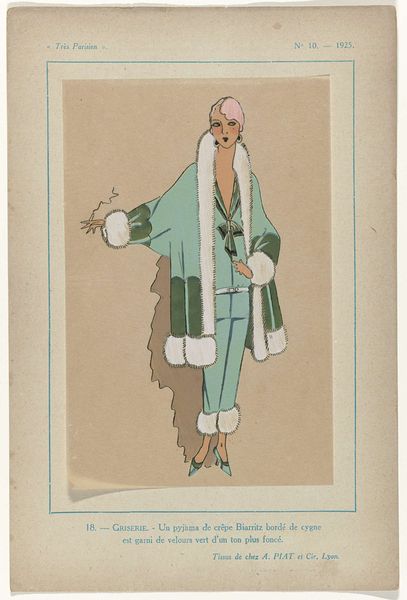
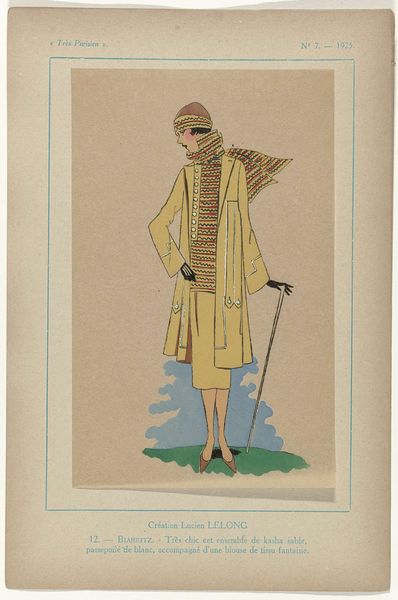
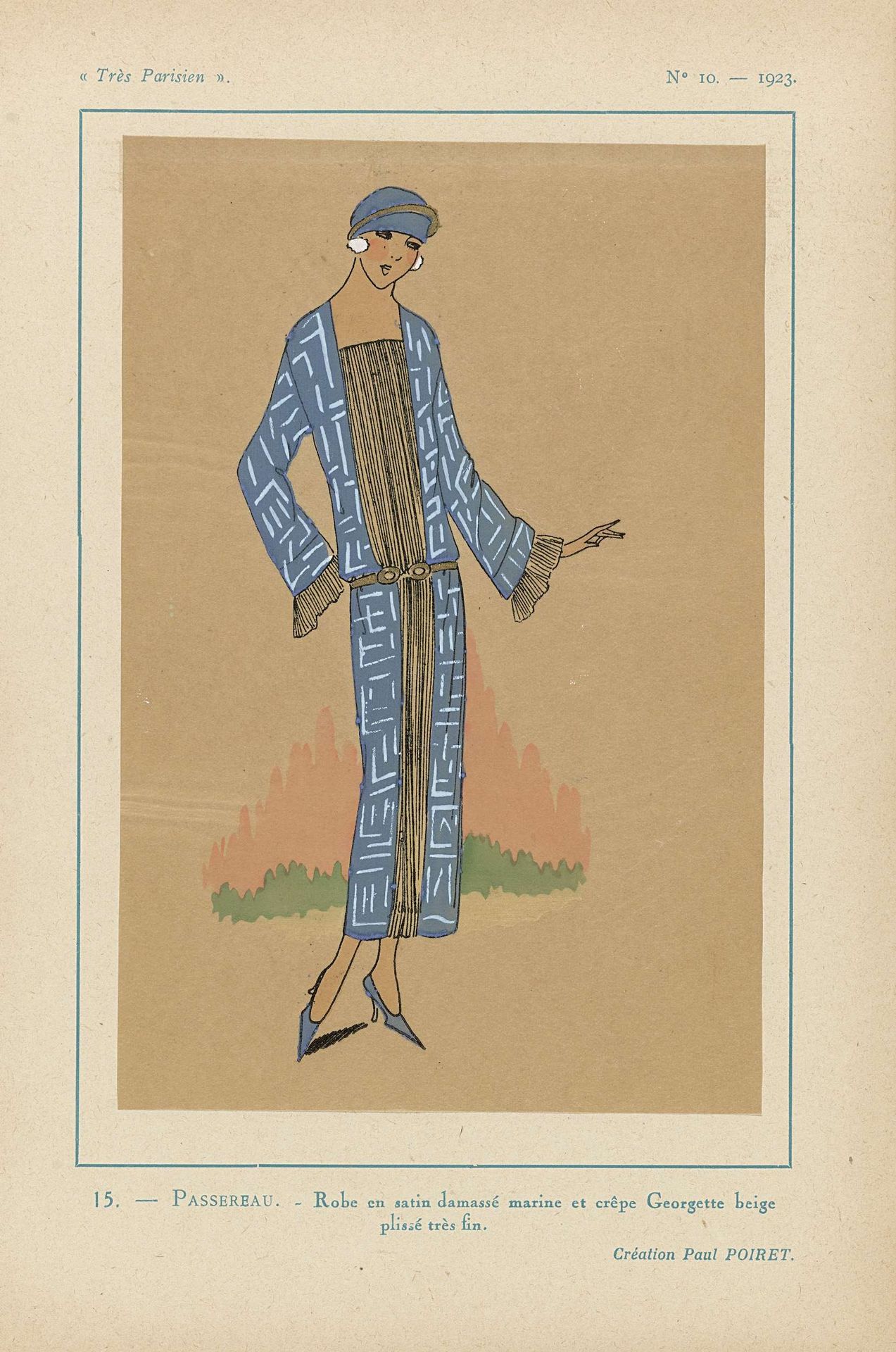
Très Parisien, 1923, No 10: 15.- PASSEREAU. - Robe en satin damassé...

Anonymous
@anonymousLocation
RijksmuseumListen to curator's interpretation
Curatorial notes
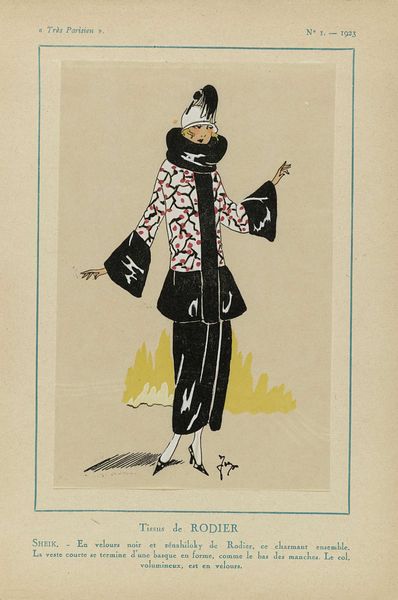
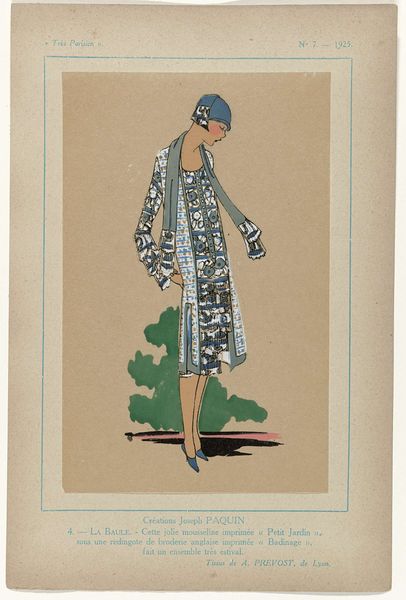
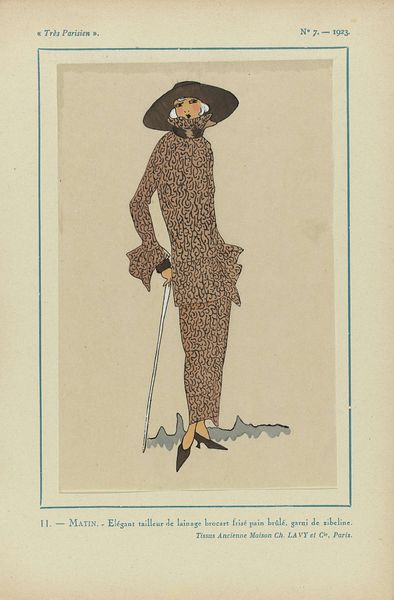
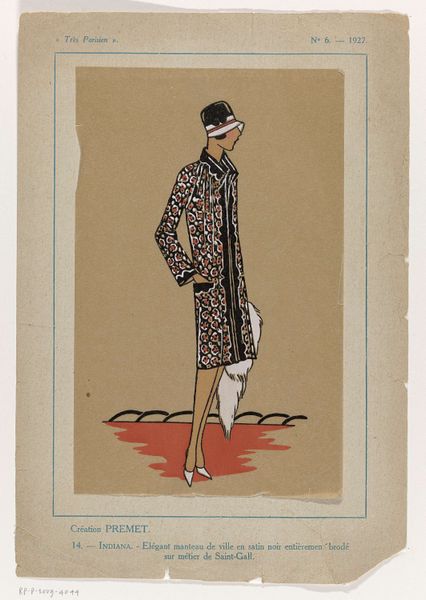
This fashion plate was printed in 1923 as an illustration for “Très Parisien,” a magazine showcasing Parisian style. It depicts a dress made from damask satin and pleated crepe Georgette, materials closely associated with the rise of French haute couture. Consider the amount of labor woven into each silken thread. Damask is made on a loom, with a pattern created by the warp and weft. Satin’s sheen results from the way its threads reflect light. Crepe Georgette is lightweight because of its highly twisted yarns. All of these qualities had to be achieved by skilled textile workers. The dress’s design, by Paul Poiret, reflects the era’s interest in geometric patterns and streamlined silhouettes. The blue and white design evokes both classical motifs and the Machine Age. These luxury fabrics, and the skilled labor required to produce them, represent a significant investment. By focusing on the materials and making, we can see how fashion is intertwined with economic forces. Far from being ‘just’ clothing, it’s a wearable record of social history.