About this artwork
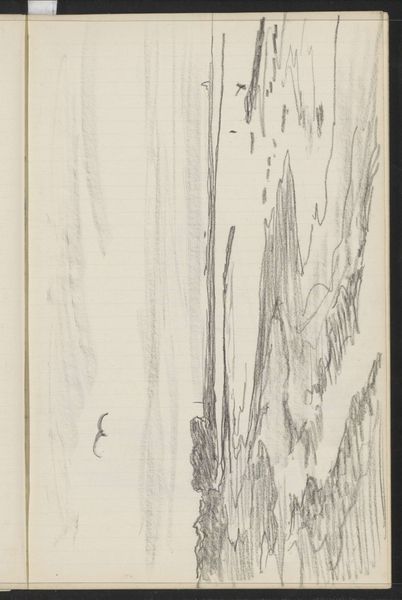
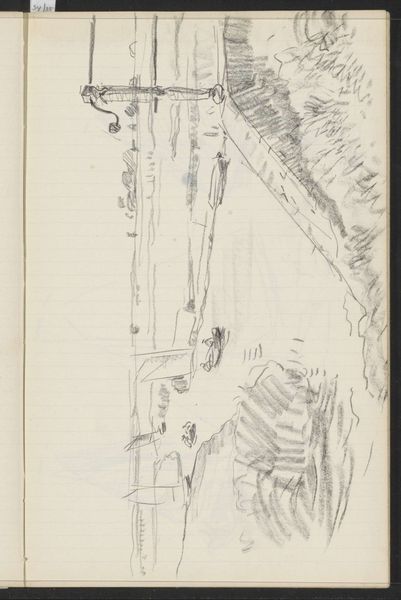
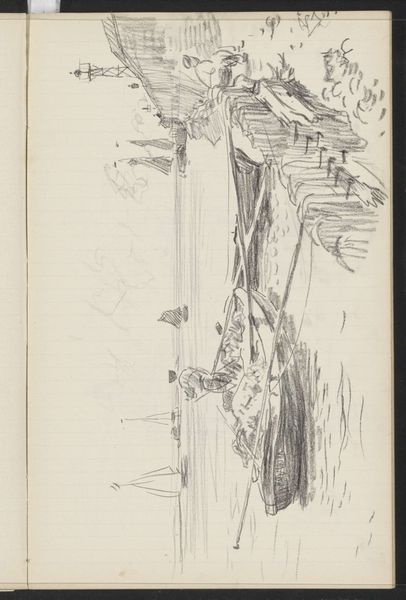
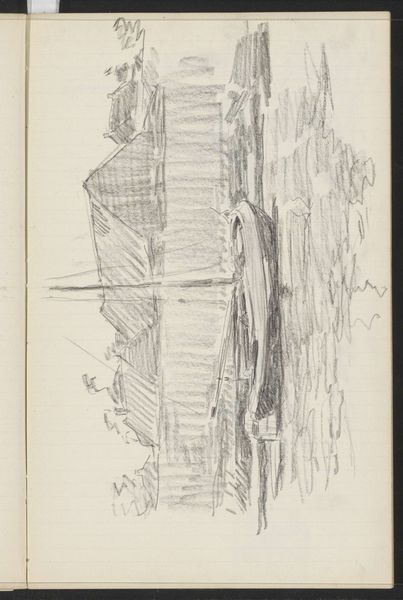
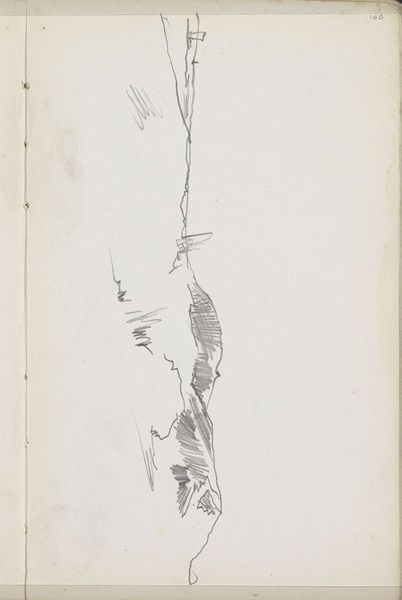
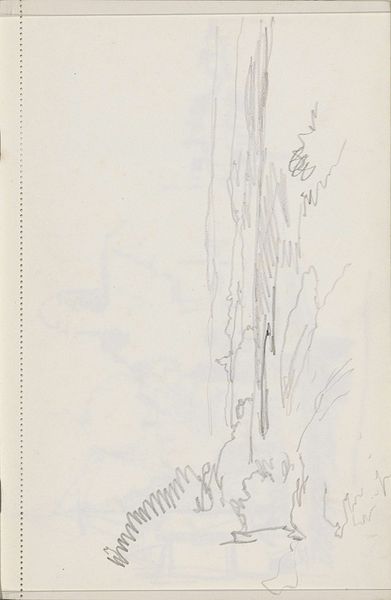
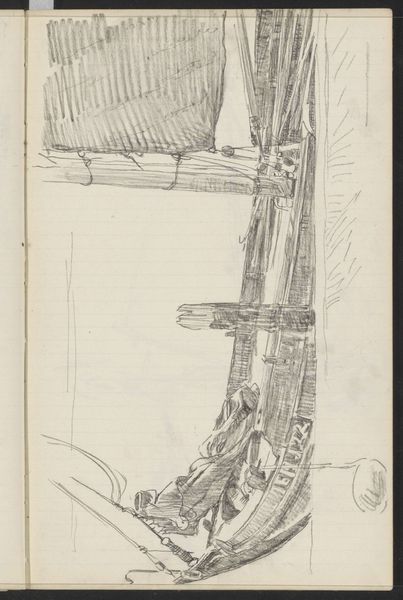
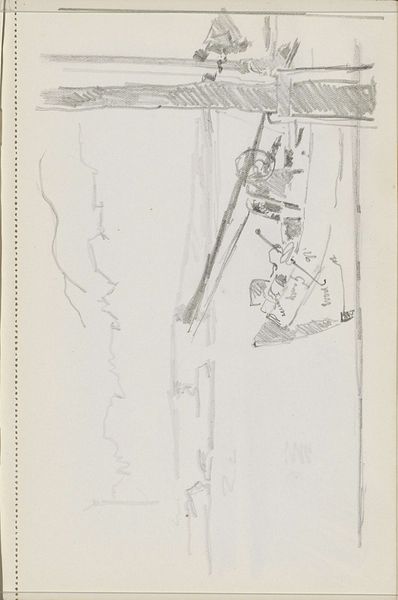
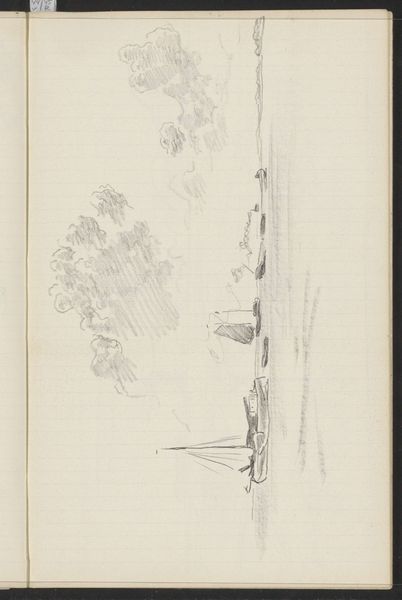
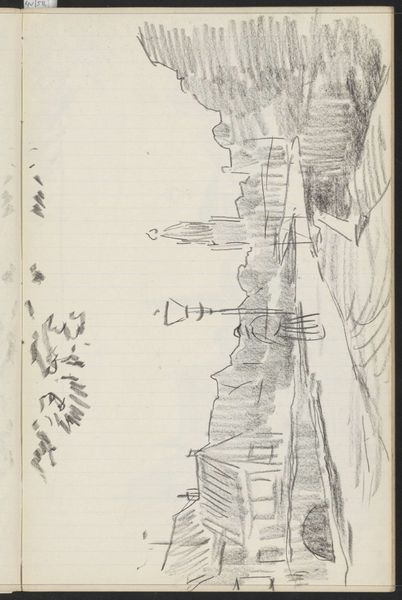
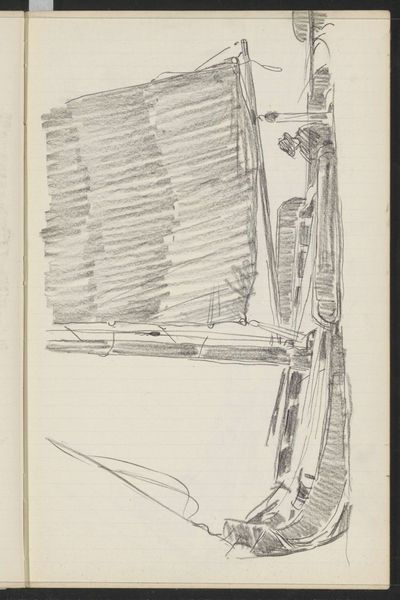
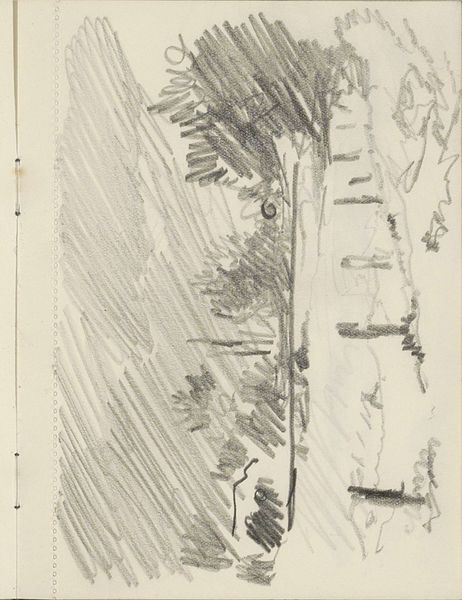
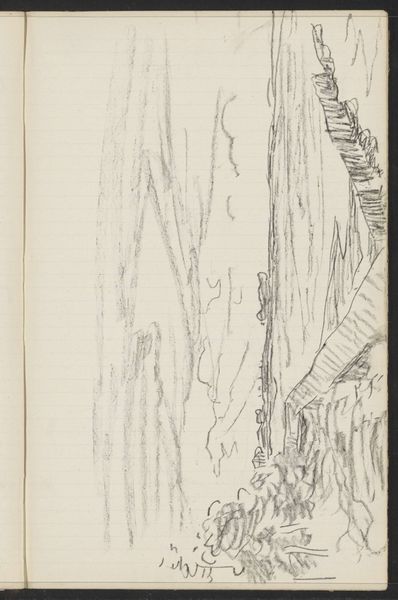
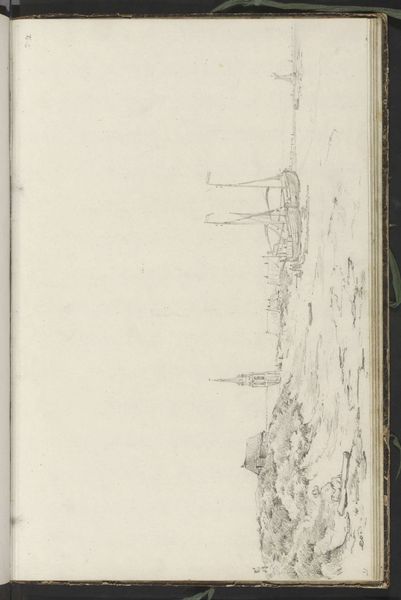
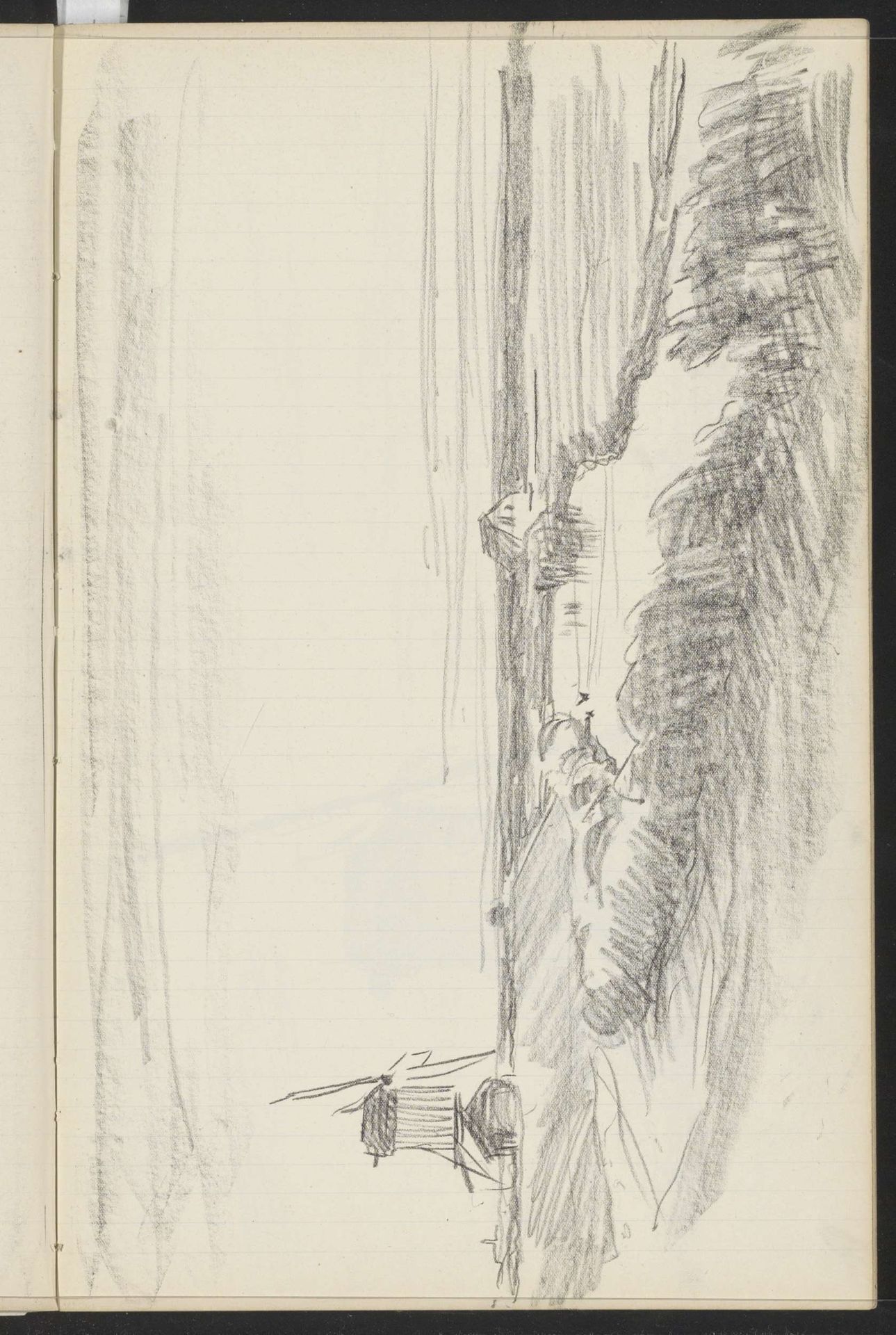
Willem Bastiaan Tholen made this pencil drawing of a Mill on a Dyke in a River Landscape, probably en plein air. It's so raw, like a page torn straight from the artist's sketchbook. See how the lines are scrubbed in, capturing the essence of the scene rather than aiming for detail. The whole thing feels provisional, a moment caught in time. I’m drawn to the way Tholen renders the trees on the right bank. He uses these short, choppy marks that build up a dense, almost brooding mass. This contrasts with the more open, airy feel of the river and sky. It’s like he’s using the weight of the graphite to anchor the scene. This is a testament to art's ability to fix what we see and feel in a specific moment, an echo of something fleeting. It reminds me a bit of Corot's landscapes, where the feeling of the place is more important than photographic accuracy.
Molen op een dijk in een rivierlandschap
1900 - 1931

Willem Bastiaan Tholen
1860 - 1931Location
RijksmuseumArtwork details
- Medium
- drawing, pencil
- Location
- Rijksmuseum
- Copyright
- Rijks Museum: Open Domain
Tags
drawing
dutch-golden-age
landscape
river
pencil
sketchbook drawing
Comments
Be the first to share your thoughts about this work.
About this artwork
Willem Bastiaan Tholen made this pencil drawing of a Mill on a Dyke in a River Landscape, probably en plein air. It's so raw, like a page torn straight from the artist's sketchbook. See how the lines are scrubbed in, capturing the essence of the scene rather than aiming for detail. The whole thing feels provisional, a moment caught in time. I’m drawn to the way Tholen renders the trees on the right bank. He uses these short, choppy marks that build up a dense, almost brooding mass. This contrasts with the more open, airy feel of the river and sky. It’s like he’s using the weight of the graphite to anchor the scene. This is a testament to art's ability to fix what we see and feel in a specific moment, an echo of something fleeting. It reminds me a bit of Corot's landscapes, where the feeling of the place is more important than photographic accuracy.
Comments
Be the first to share your thoughts about this work.