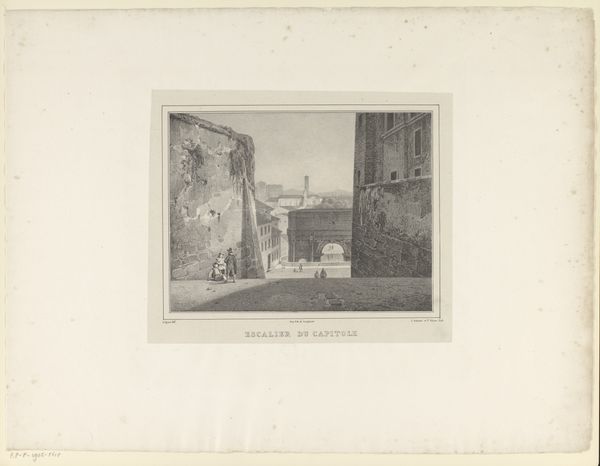
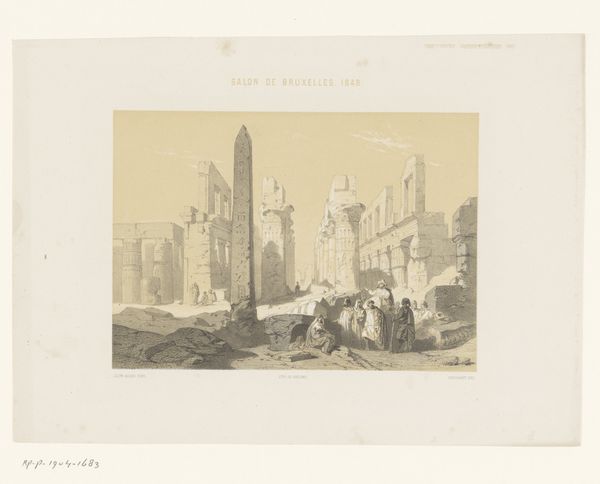
print, etching, engraving
# print
#
etching
#
landscape
#
romanticism
#
cityscape
#
engraving
Dimensions: height 154 mm, width 200 mm
Copyright: Rijks Museum: Open Domain
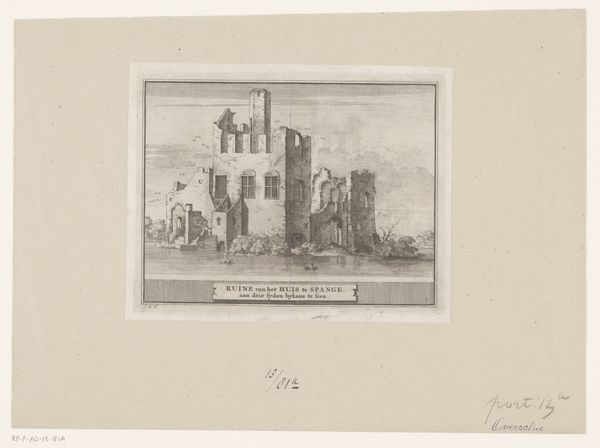
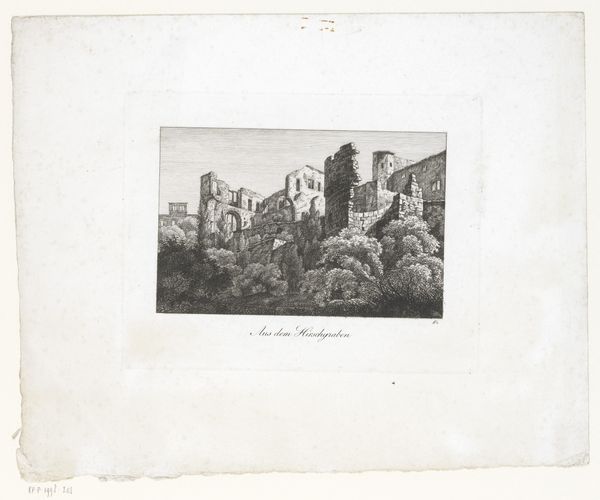
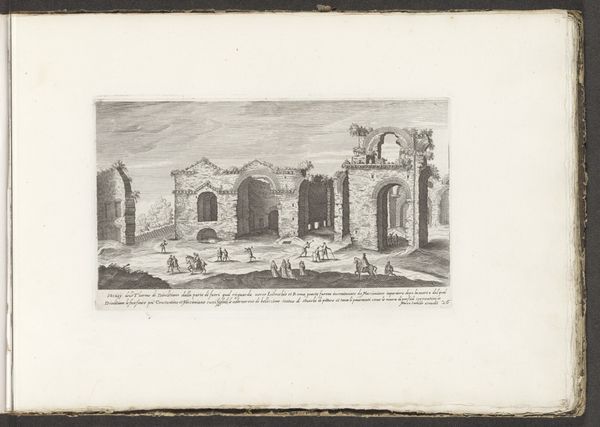
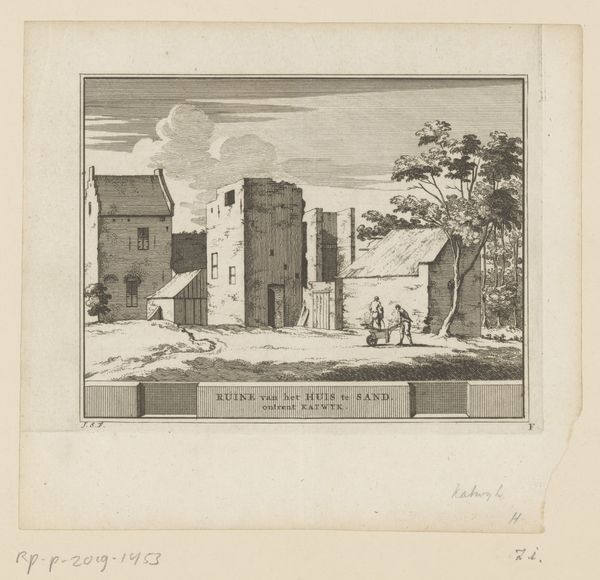
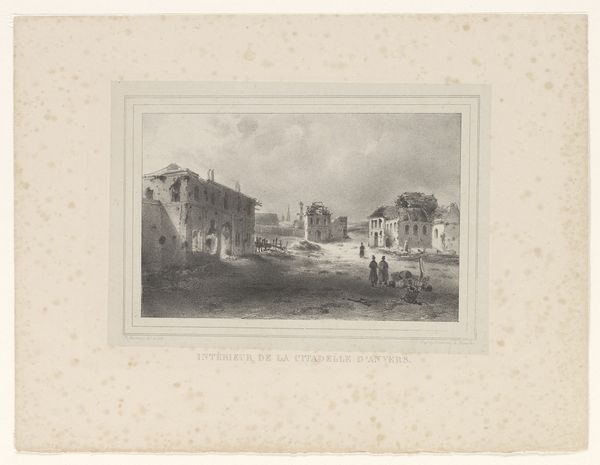
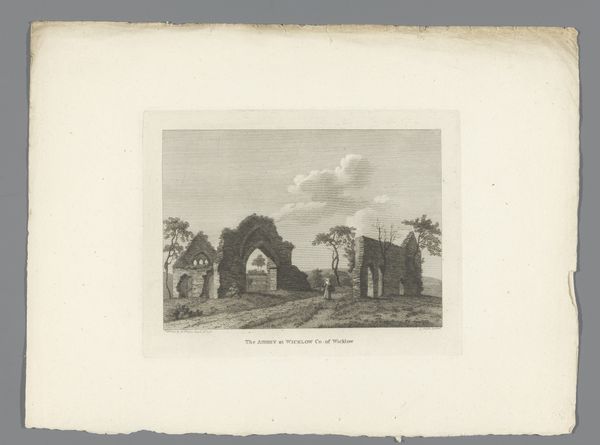
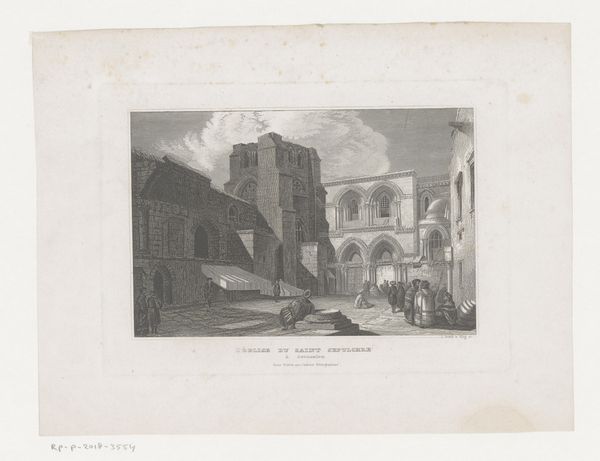
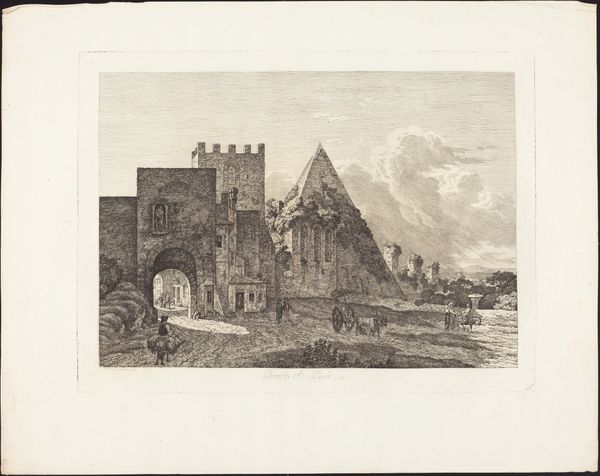
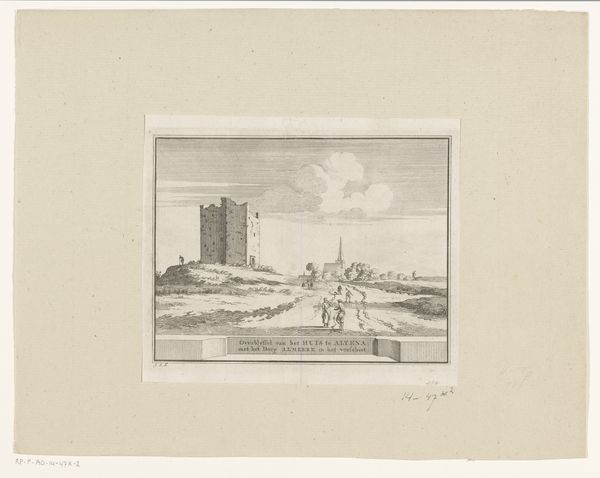
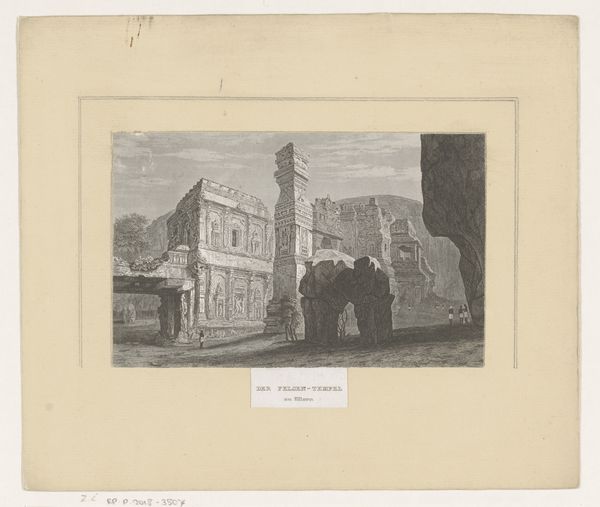
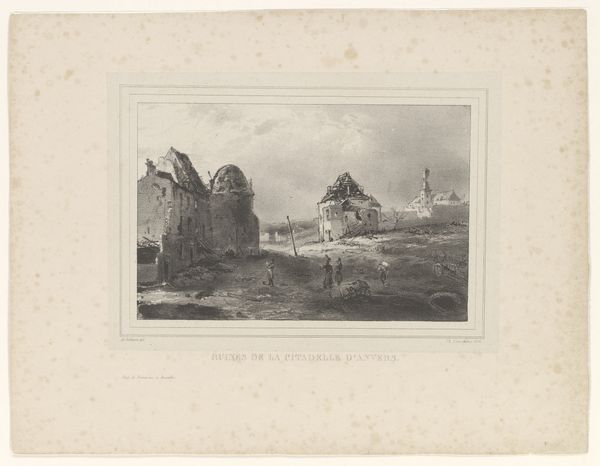
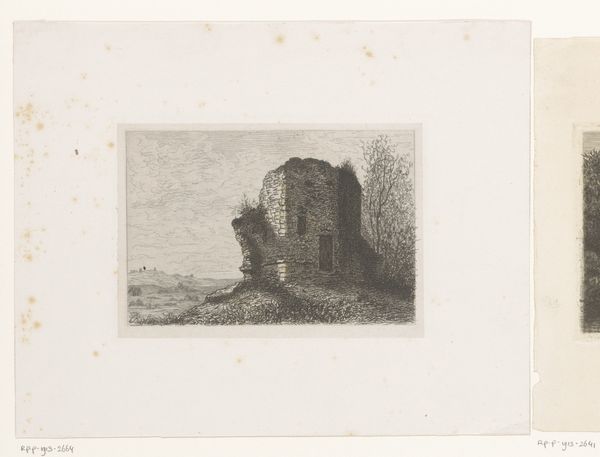
James Newton made this print of the ruins of St. Johns Castle in County Roscommon. Prints like these depicting picturesque ruins were popular in late eighteenth-century Britain and Ireland, due to the rise of Romanticism. This was a cultural movement that valued emotion, imagination, and the beauty of nature. Ruins symbolized the passage of time and the transience of human achievement, which had a powerful appeal to Romantic sensibilities. It is worth noting that in British and Irish culture, picturesque prints also served a political purpose. They helped to construct a sense of national identity by showcasing the country's history. The ruins of castles were visual reminders of past conflicts and power struggles. As historians, we use a range of resources, such as letters, diaries, and newspapers, to understand how art reflects and shapes society. Art’s meaning is always contingent on its social and institutional context.
Comments
No comments
Be the first to comment and join the conversation on the ultimate creative platform.
 Collect
 React
React Comment
More like this