1636 - 1647
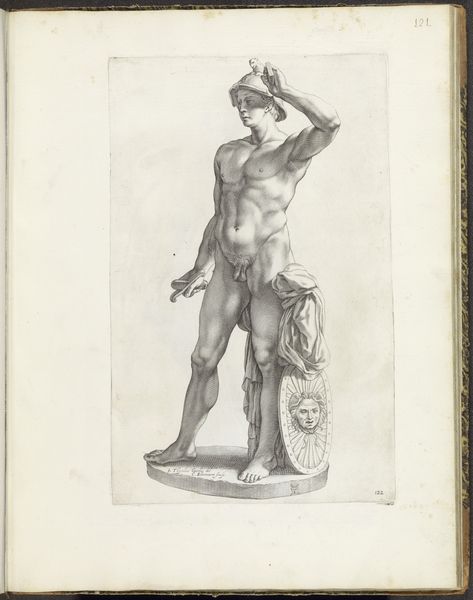
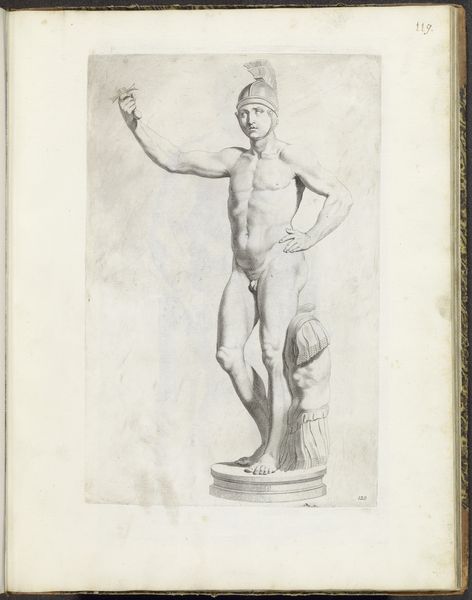
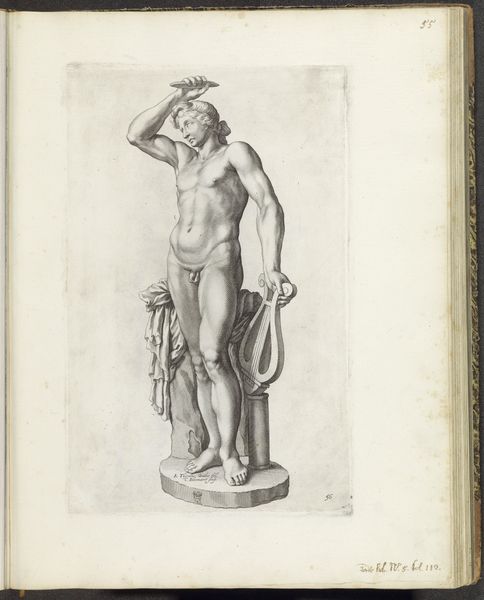
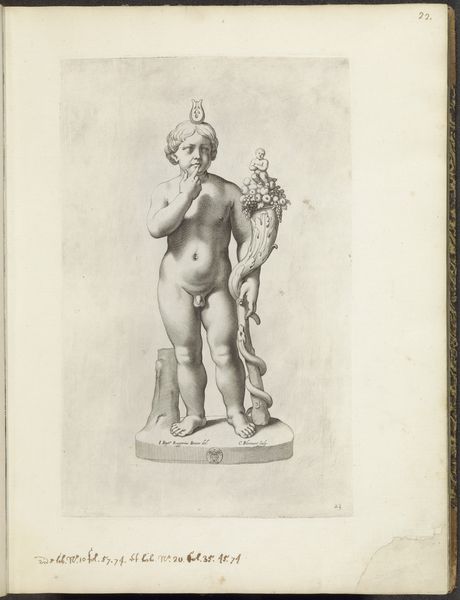
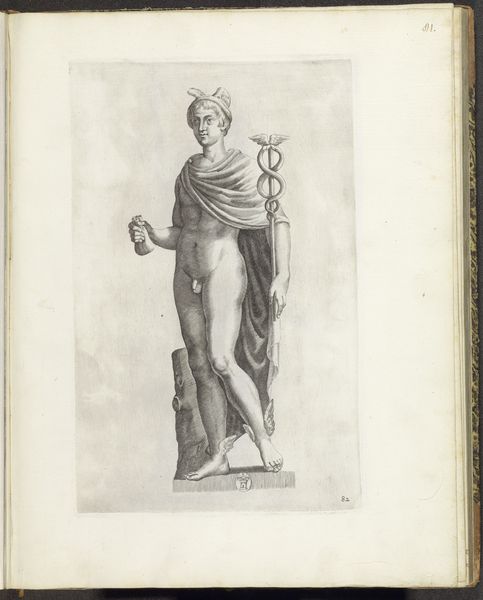
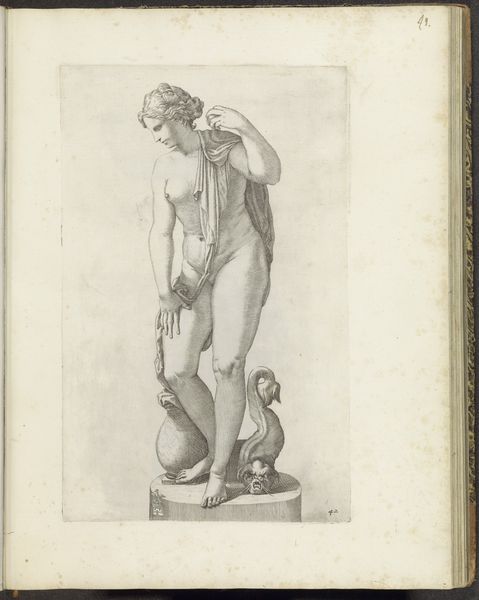
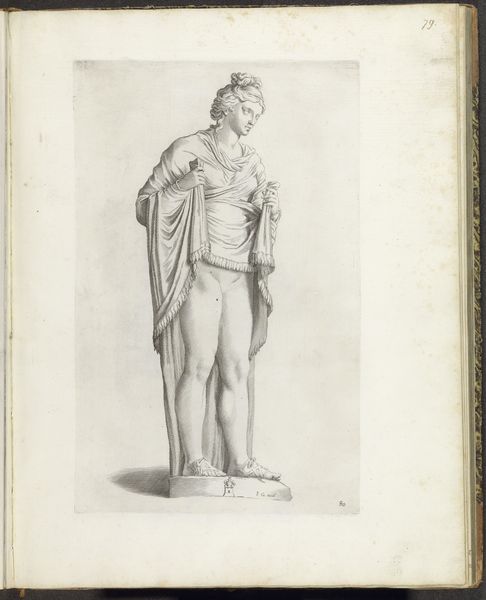
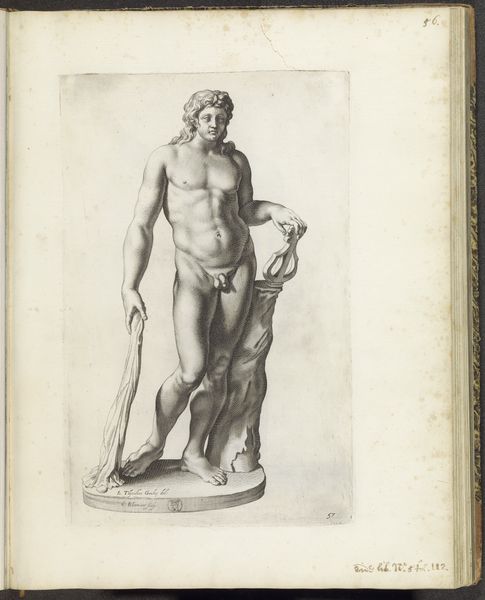
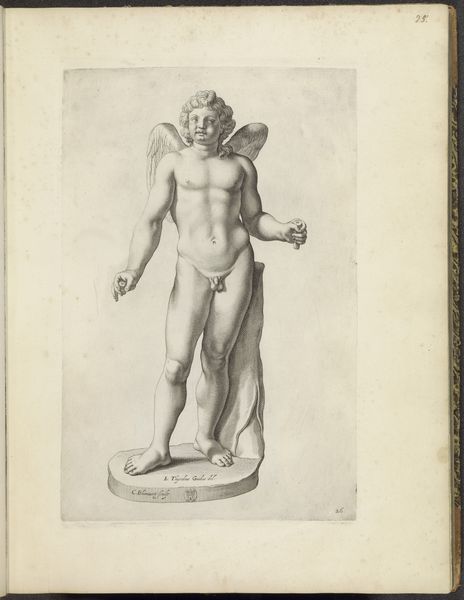
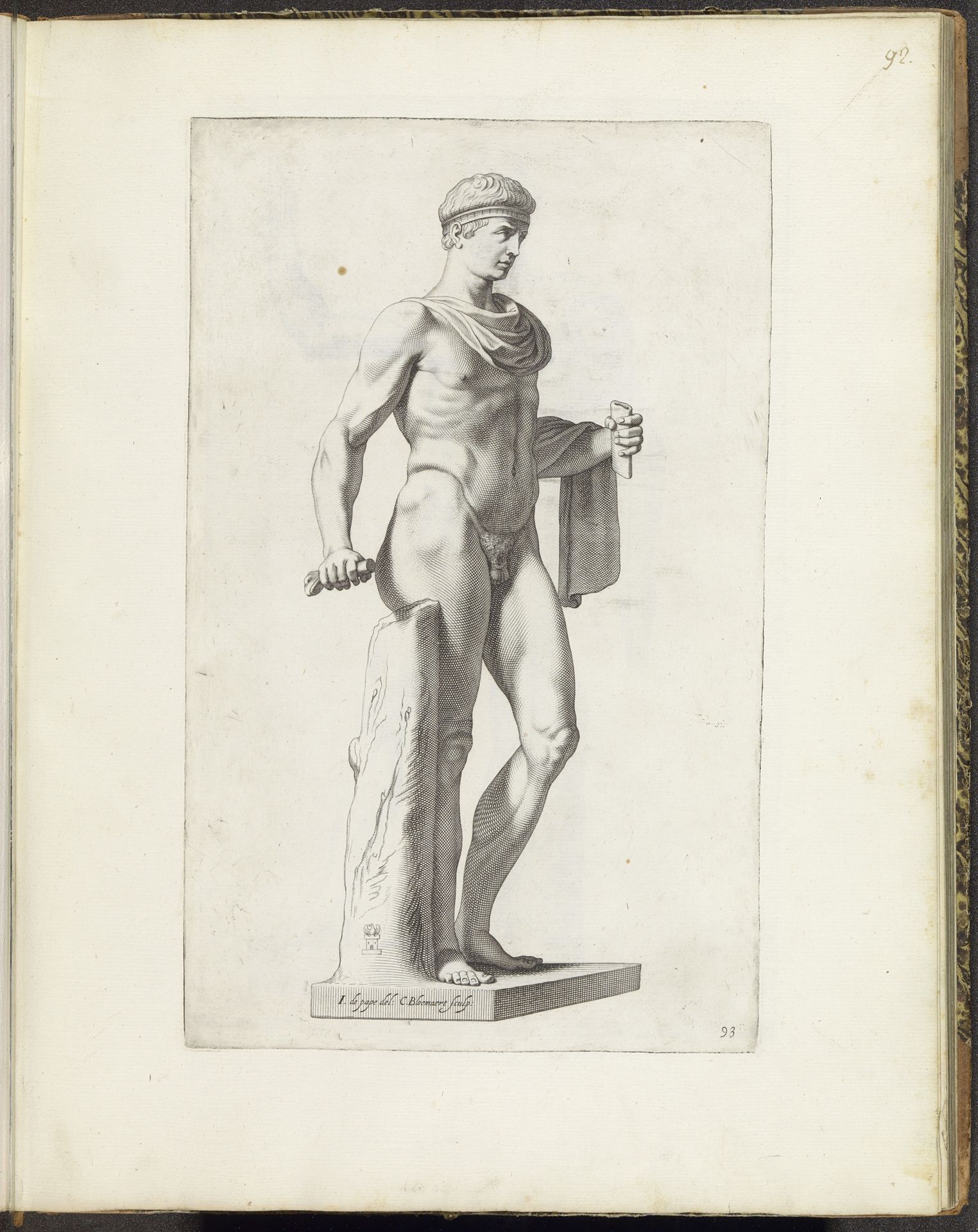
Standbeeld van een jonge gladiator met band om zijn hoofd

Cornelis Bloemaert
1603 - 1684Location
RijksmuseumListen to curator's interpretation
Curatorial notes
Cornelis Bloemaert created this engraving of a young gladiator in the 17th century. During this period, there was a renewed interest in classical antiquity. But it was less about historical accuracy and more about using these classical figures to explore contemporary ideals. Consider the gladiator here. Gladiators, often slaves or prisoners of war, were forced to fight, sometimes to the death, for the entertainment of Roman audiences. Bloemaert's image, however, presents a sanitized and idealized version of this figure. Stripped of the grit and brutality of the arena, the young man is rendered as an object of aesthetic contemplation. Notice how the gladiator’s youth and physical form is emphasized? This reflects the cultural values of the time, where male beauty and strength were highly prized. Yet, it also obscures the violence and exploitation inherent in the gladiator's existence. Bloemaert’s gladiator invites us to reflect on how we selectively engage with history, often prioritizing beauty and heroism over the uncomfortable truths of the past.