photography, gelatin-silver-print, albumen-print
#
portrait
#
war
#
photography
#
historical photography
#
soldier
#
gelatin-silver-print
#
19th century
#
men
#
history-painting
#
nude
#
albumen-print
Copyright: Public Domain
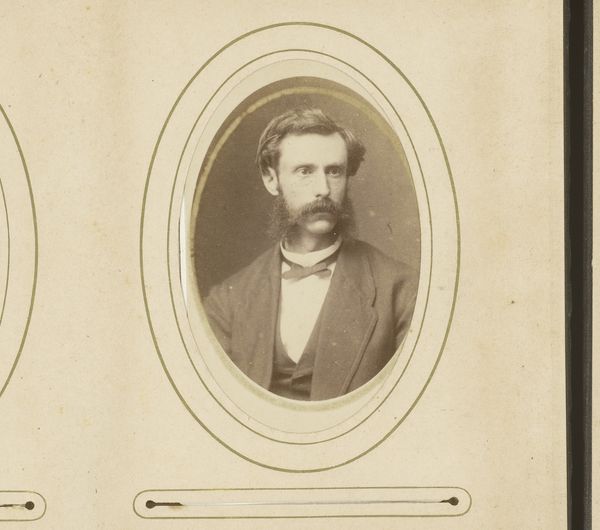
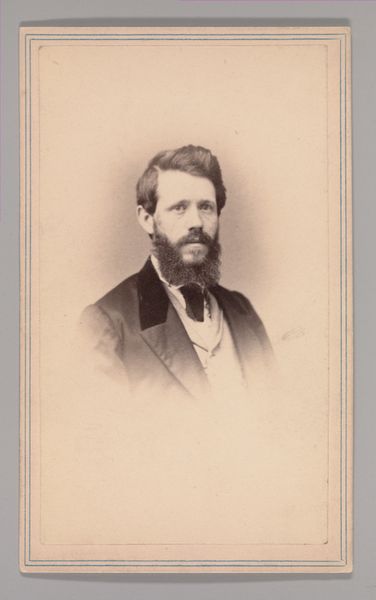
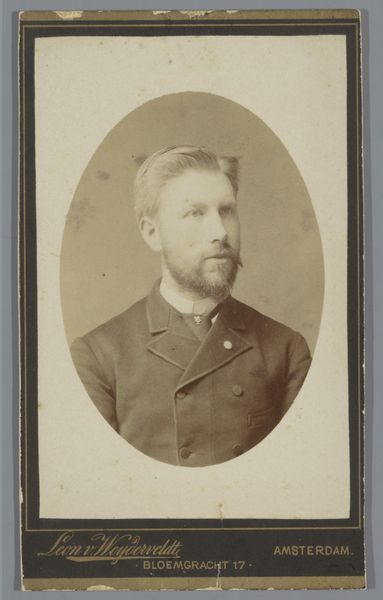
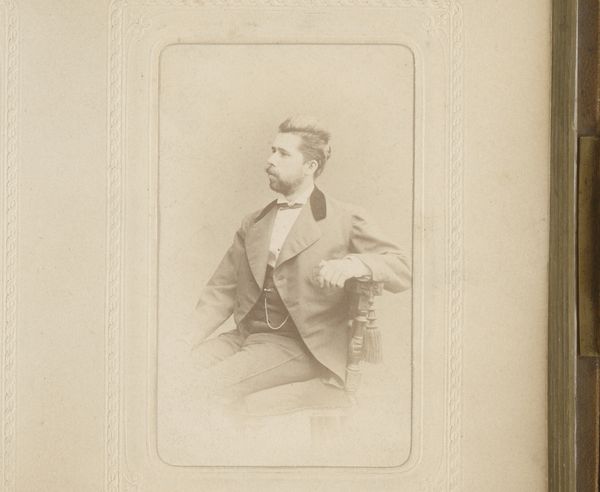
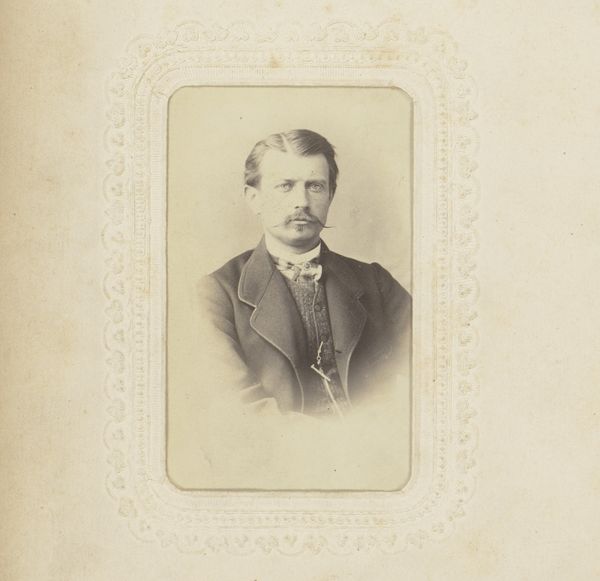
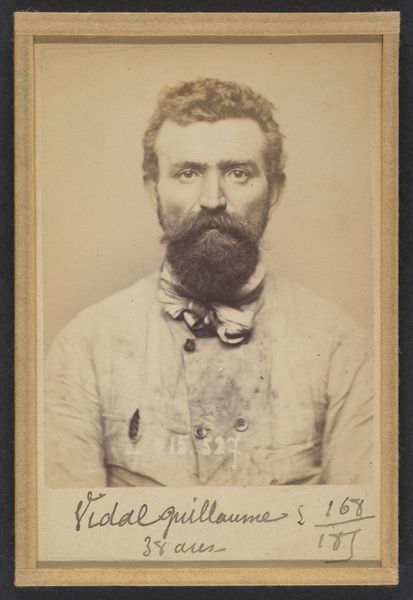
Editor: This is a photographic portrait titled "Stephen D. Wilbur," created around 1865 by Reed Brockway Bontecou. The medium looks to be either an albumen or gelatin silver print. There's an immediate sense of somberness looking at it – it feels stark and honest. What strikes you when you look at this image? Curator: Well, what I immediately see is a document, not just of an individual, but of a historical and cultural moment. These kinds of images, particularly photographs of wounded soldiers from the Civil War, were incredibly important. How do you think these images were received in the 19th century? Editor: I imagine they would have been quite shocking, maybe even confrontational for the viewers at the time, a raw display of the brutal realities of war. Almost like a piece of history painting, except much more real. Curator: Exactly. They challenged idealized notions of heroism and invited reflection on the human cost of conflict. But think also about the burgeoning field of medical science; photography played a role in cataloging injuries. It highlights how intertwined art, science, and even politics became. The circulation and reception of these photographs within institutional settings, like medical archives and even art collections later on, adds another layer of complexity. Where would we expect an image like this to be displayed? Editor: That’s interesting, it blurs the lines between documentation, art, and propaganda, depending on the context it’s being presented in. Perhaps that makes this so compelling. Curator: Precisely! It reminds us how the power of an image changes with its social and political environment. Editor: Thanks. I had only been focusing on the portrait at first glance, but now I see a much wider history at play. Curator: It's often in examining the cultural life of a work like this that we understand its continuing power.
Comments
No comments
Be the first to comment and join the conversation on the ultimate creative platform.
 Collect
 React
React Comment
More like this