1817
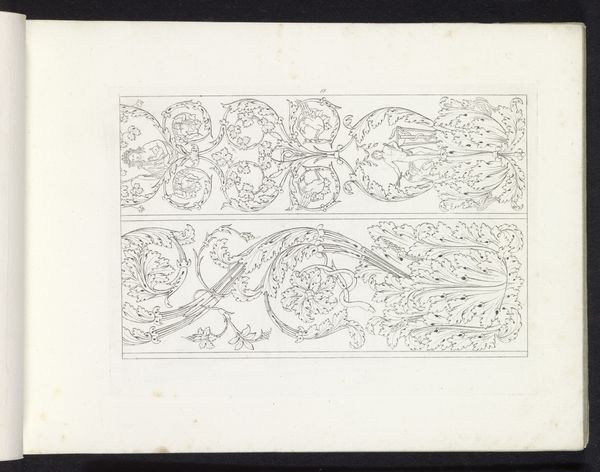
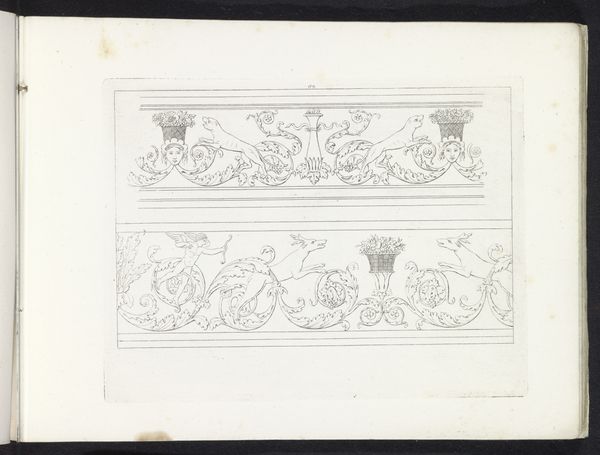
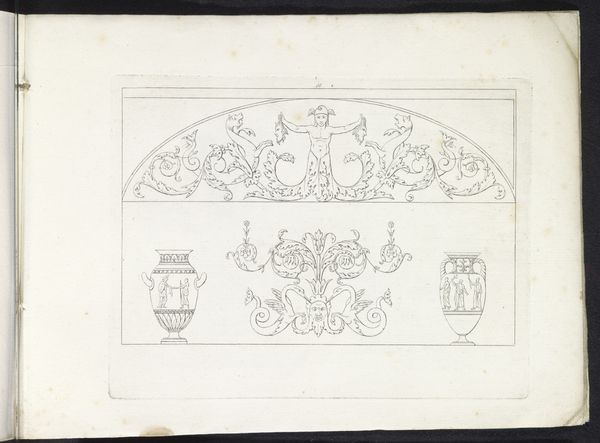
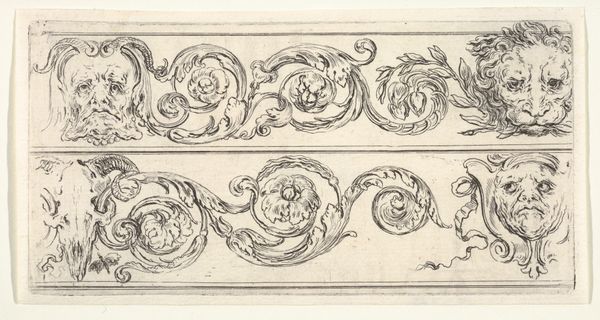
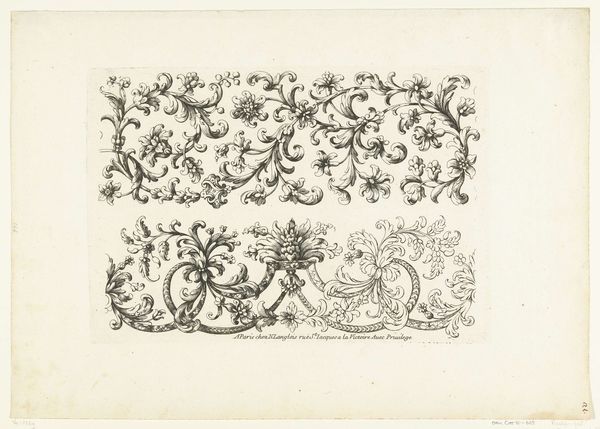
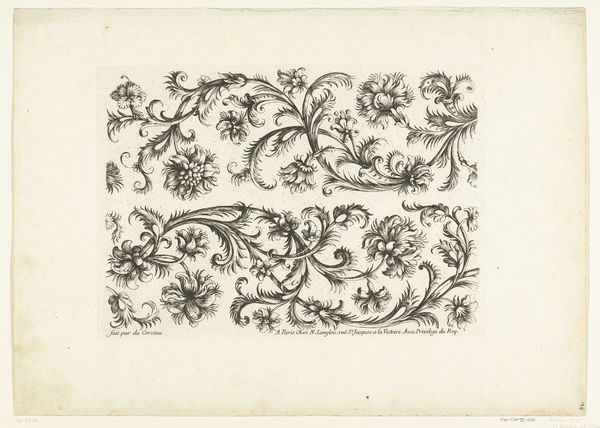
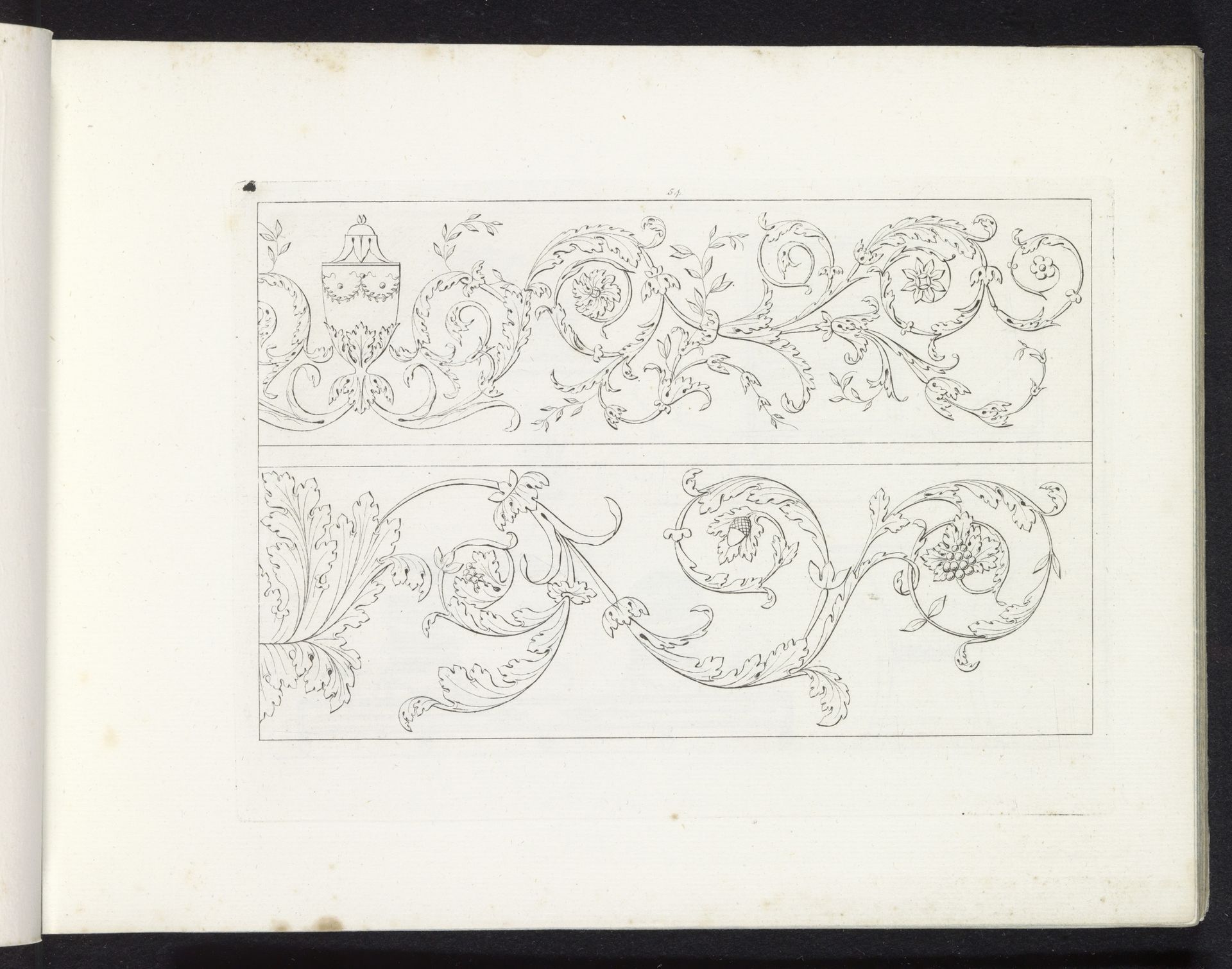
Twee ornamentele randen met arabesken

Listen to curator's interpretation
Curatorial notes
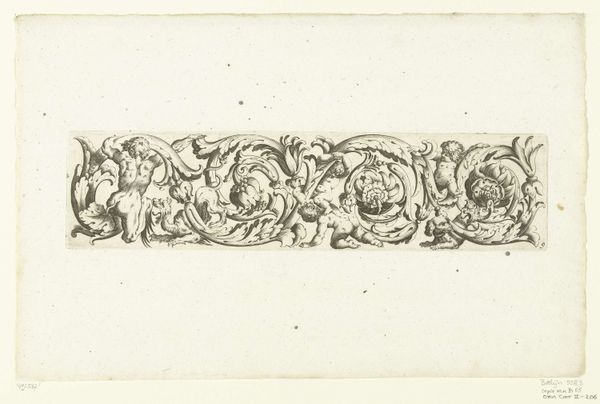
Pietro Ruga rendered these two ornamental borders with arabesques using pen and ink. The elaborate, swirling foliage is immediately striking, a motif we recognize as the arabesque. But let us trace this sinuous line back through time. We see echoes of it in the tendrils of Hellenistic friezes, in the illuminated manuscripts of the Islamic Golden Age, and even further back to ancient Egyptian art. This recurring motif speaks to a deep-seated human fascination with nature’s boundless, interconnected rhythms. Consider how the floral elements, initially derived from real plants, evolve into abstract, almost fantastical forms. The naturalism fades, and what remains is a stylized echo, pregnant with symbolism. This transformation is not merely decorative, but rather a reflection of how collective memory and subconscious longings shape our visual language. Like a dream, the arabesque hints at the subconscious, evoking primal emotions related to growth, decay, and the cyclical nature of life. The arabesque, therefore, is more than just ornament; it is a vital strand in the web of cultural memory, ever resurfacing, ever transformed.