About this artwork
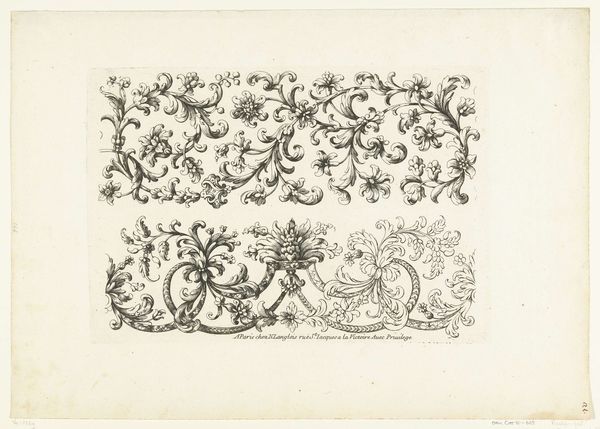
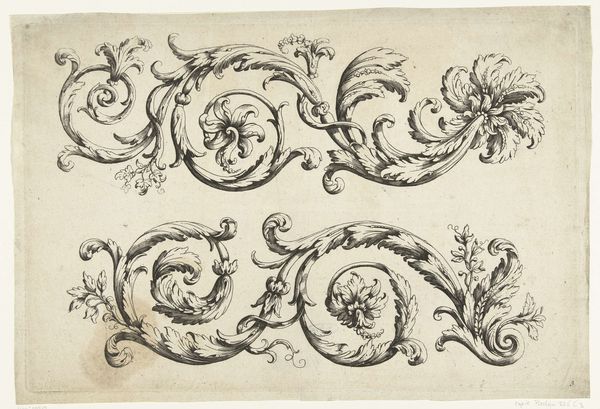
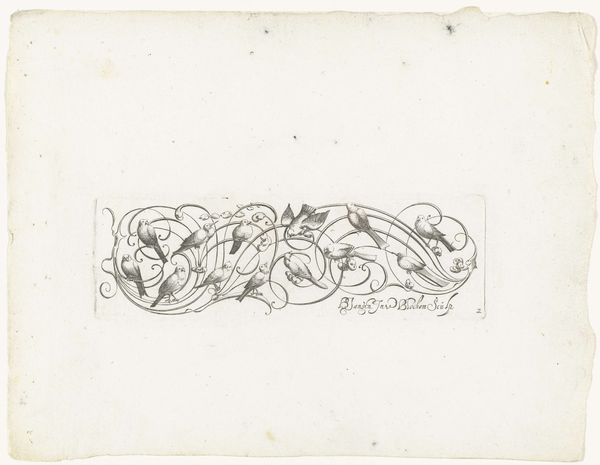
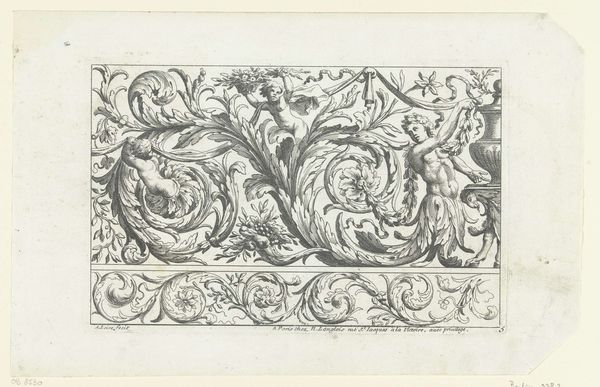
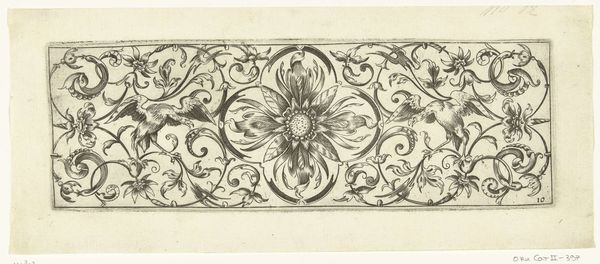
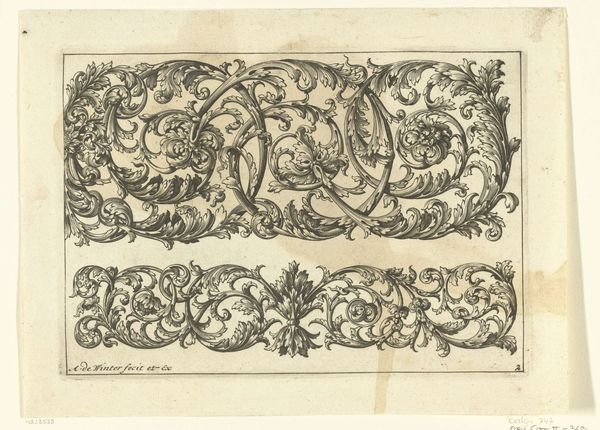
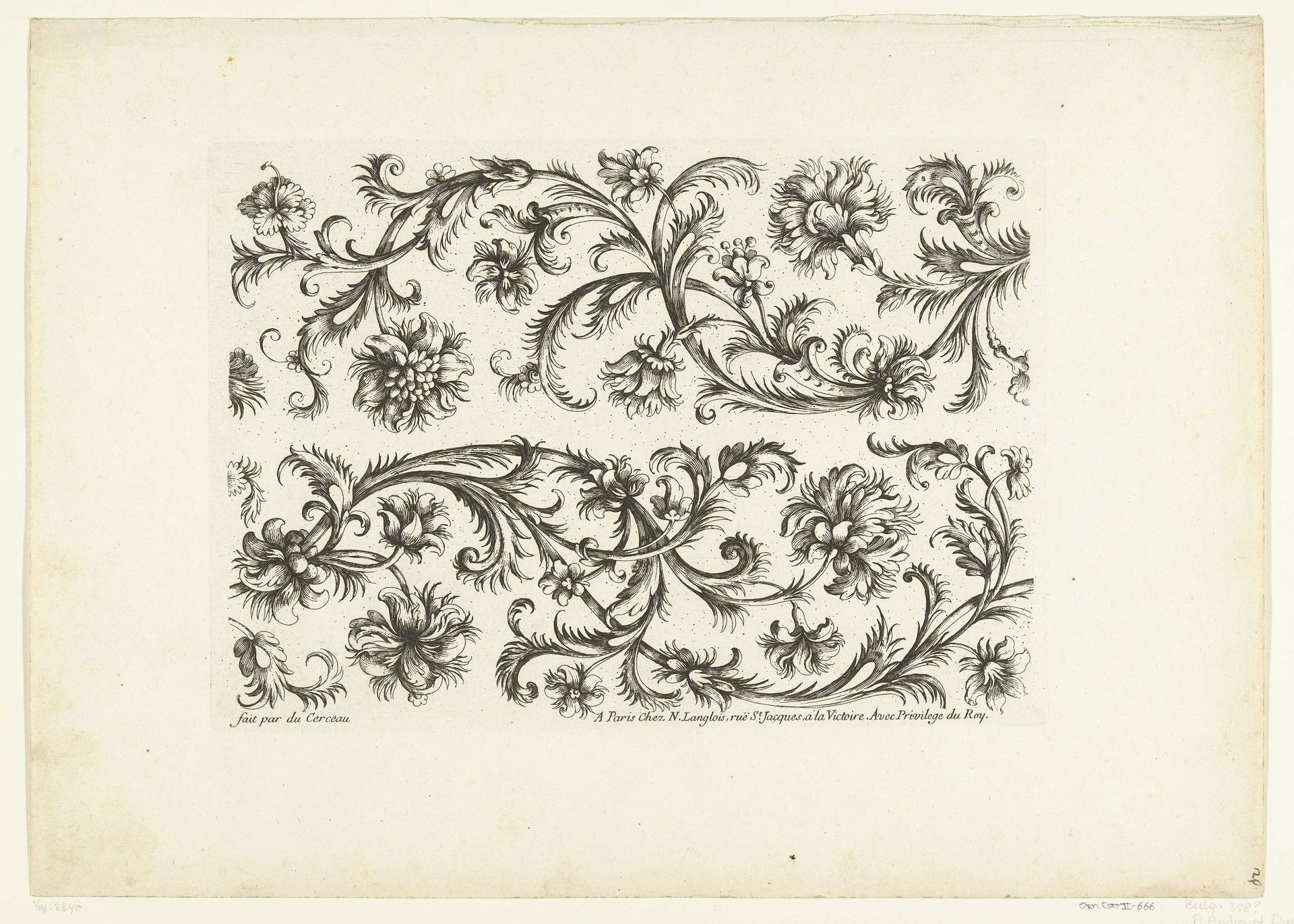
This delicate print of fantasy foliage and flowers was created by Paul Androuet Ducerceau, a French designer active in the 17th century. The composition is structured by two horizontal bands, each filled with intricately detailed, stylized botanical motifs. Ducerceau masterfully uses line and form to create a rhythmic, almost musical, pattern. Notice how the curling tendrils and blossoming flowers alternate in size and density, creating a dynamic interplay between positive and negative space. The detailed ornamentation reveals a fascination with natural forms, yet these are clearly mediated through the lens of artistic invention. It destabilizes the boundary between nature and artifice. Ducerceau invites us to consider how the natural world can be abstracted and reconfigured into new aesthetic possibilities. These botanical elements can be viewed as a semiotic system reflecting broader cultural values of the period. The pattern's structure opens itself to continuous interpretations reflecting the enduring appeal of pattern and decoration.
Twee friezen met ranken van fantasiebladeren
c. 1670 - 1685

Paul Androuet Ducerceau
1623 - 1710Location
RijksmuseumArtwork details
- Medium
- drawing, ink, engraving
- Dimensions
- height 181 mm, width 257 mm
- Location
- Rijksmuseum
- Copyright
- Rijks Museum: Open Domain
Tags
Comments
Share your thoughts
About this artwork
This delicate print of fantasy foliage and flowers was created by Paul Androuet Ducerceau, a French designer active in the 17th century. The composition is structured by two horizontal bands, each filled with intricately detailed, stylized botanical motifs. Ducerceau masterfully uses line and form to create a rhythmic, almost musical, pattern. Notice how the curling tendrils and blossoming flowers alternate in size and density, creating a dynamic interplay between positive and negative space. The detailed ornamentation reveals a fascination with natural forms, yet these are clearly mediated through the lens of artistic invention. It destabilizes the boundary between nature and artifice. Ducerceau invites us to consider how the natural world can be abstracted and reconfigured into new aesthetic possibilities. These botanical elements can be viewed as a semiotic system reflecting broader cultural values of the period. The pattern's structure opens itself to continuous interpretations reflecting the enduring appeal of pattern and decoration.
Comments
Share your thoughts