1804
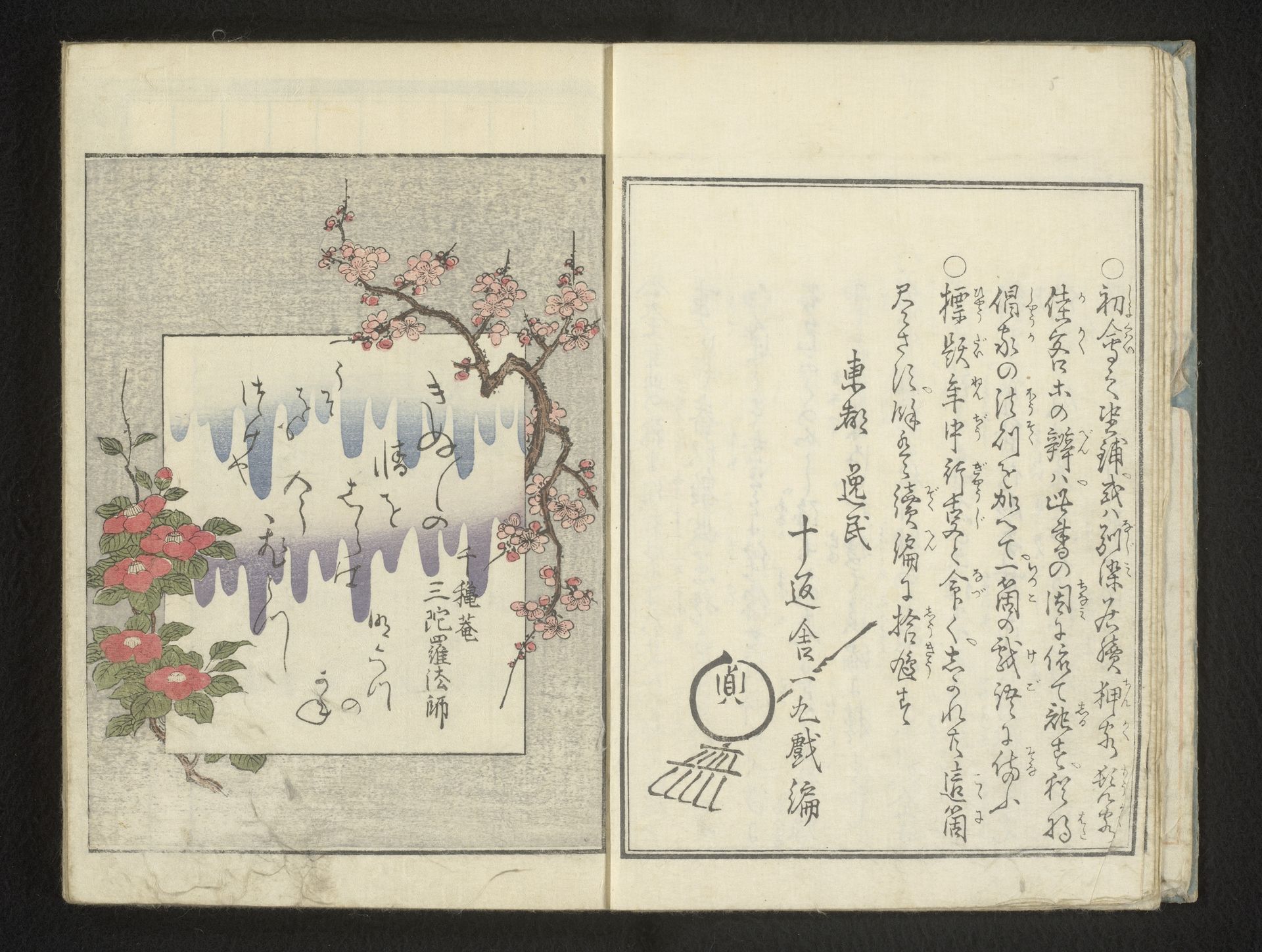
Gedicht met voorjaarsbloemen

Kitagawa Utamaro
1753 - 1806Location
RijksmuseumListen to curator's interpretation
Curatorial notes
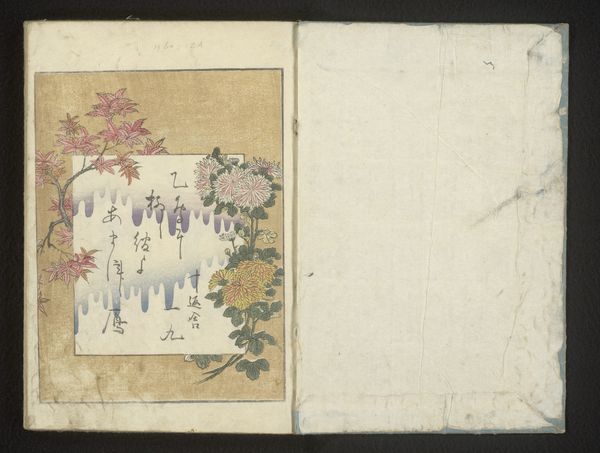
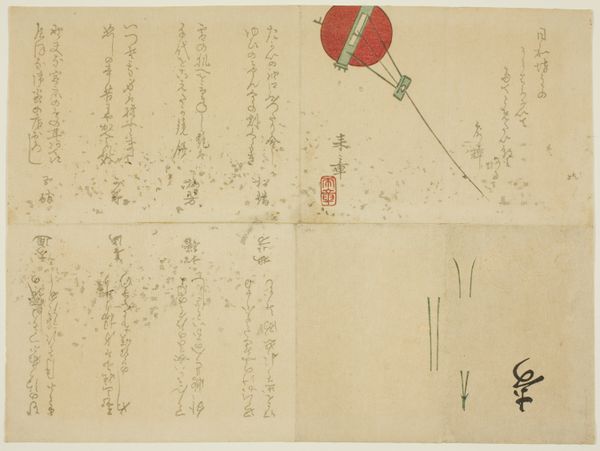
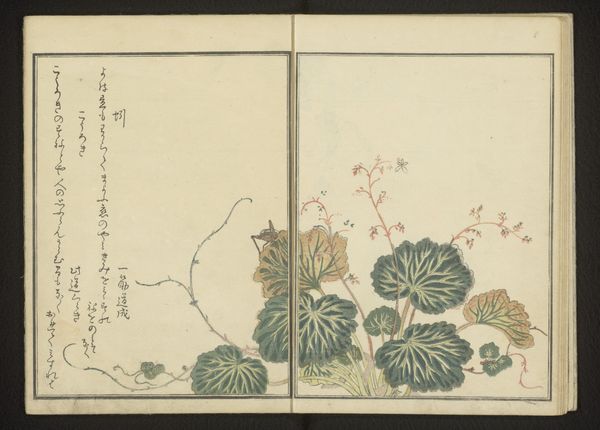
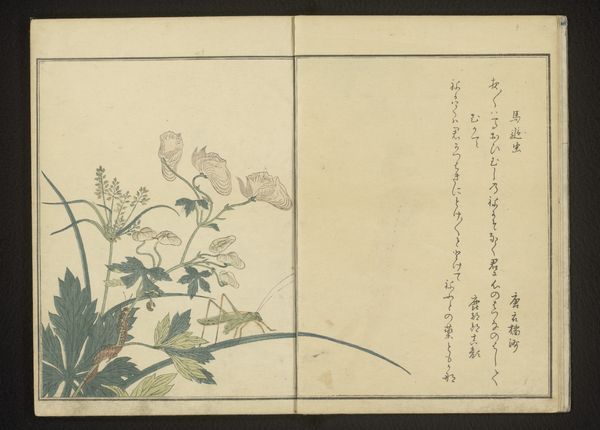
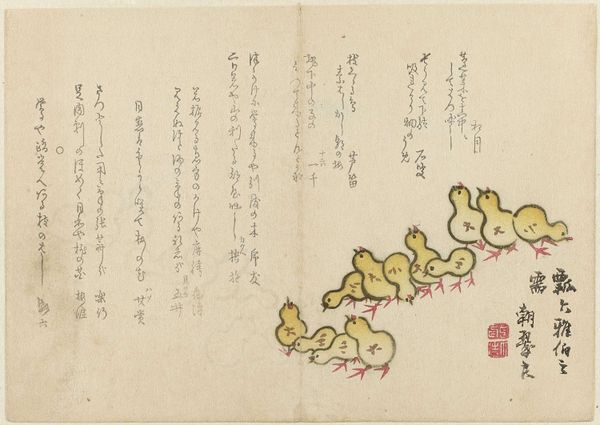
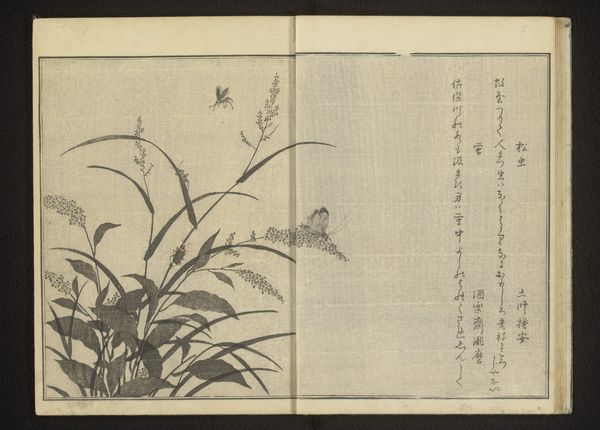
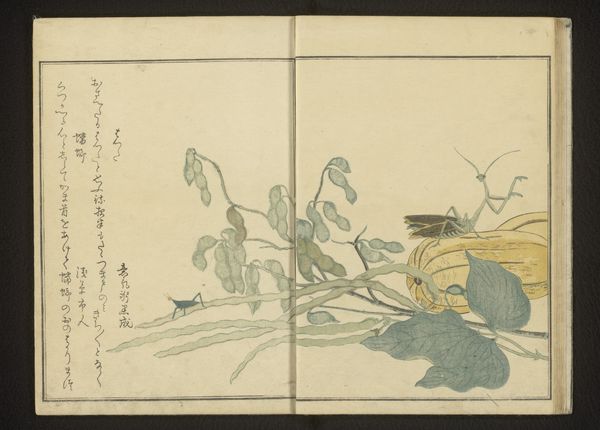
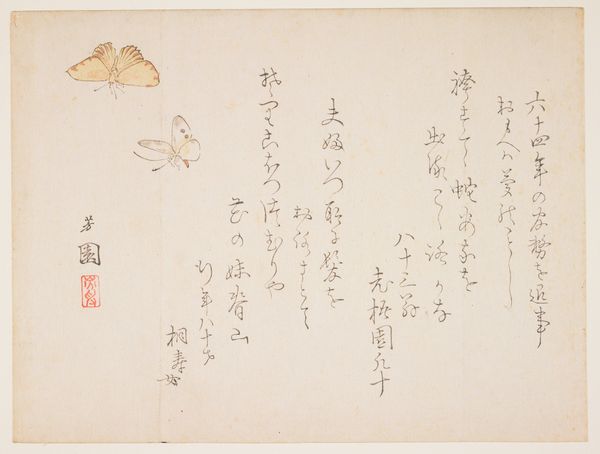
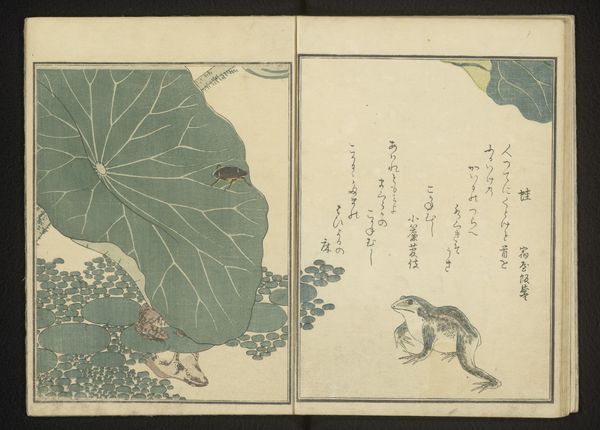
Kitagawa Utamaro made this print, “Gedicht met voorjaarsbloemen,” or “Poem with Spring Flowers,” sometime in the late 18th century with woodblock printing, a technique that allowed for mass production and circulation of images in Japan. Consider Utamaro's position in the Edo period, a time marked by strict social hierarchies and cultural norms. In this context, his work often explored themes of beauty and pleasure, but also subtly questioned social boundaries. “Poem with Spring Flowers” is part of a series of illustrated books of poetry, in which the poems were often composed and recited at social gatherings, by people of different social classes and genders, allowing a space for conversations and social interactions to flourish. Here, the delicate rendering of the cherry and camellia blossoms, paired with calligraphy, evoke a sense of transient beauty, and perhaps a longing for connection and expression in a society that often constrained individual freedoms. In this way, Utamaro’s artwork reflects the complex interplay of societal norms, emotional expression, and personal identity.