About this artwork
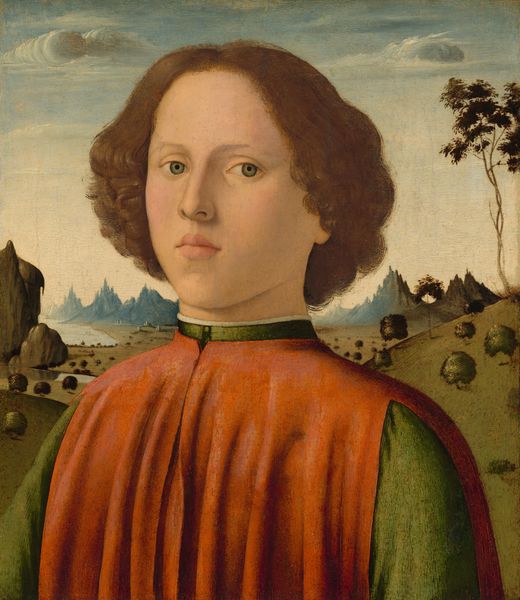
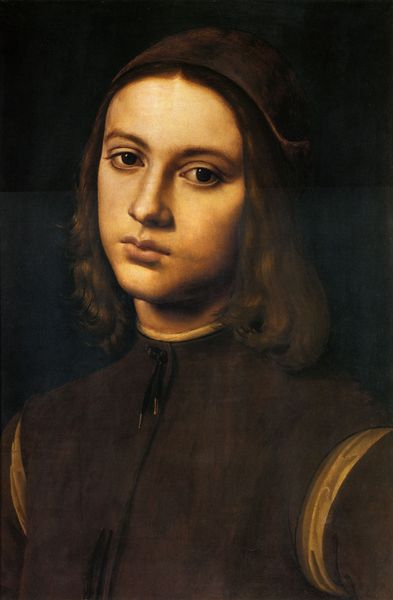
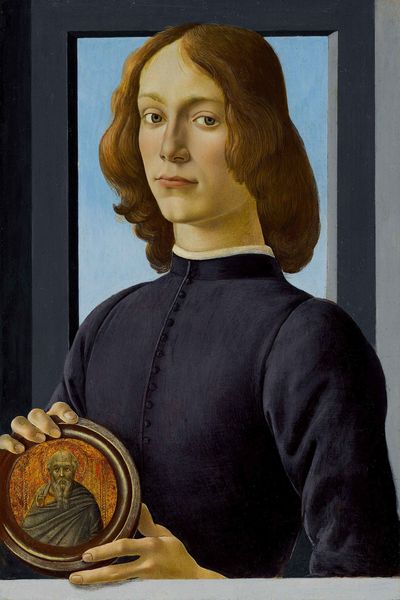
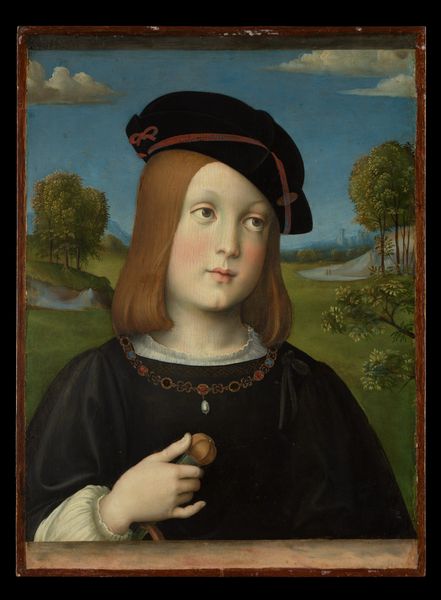
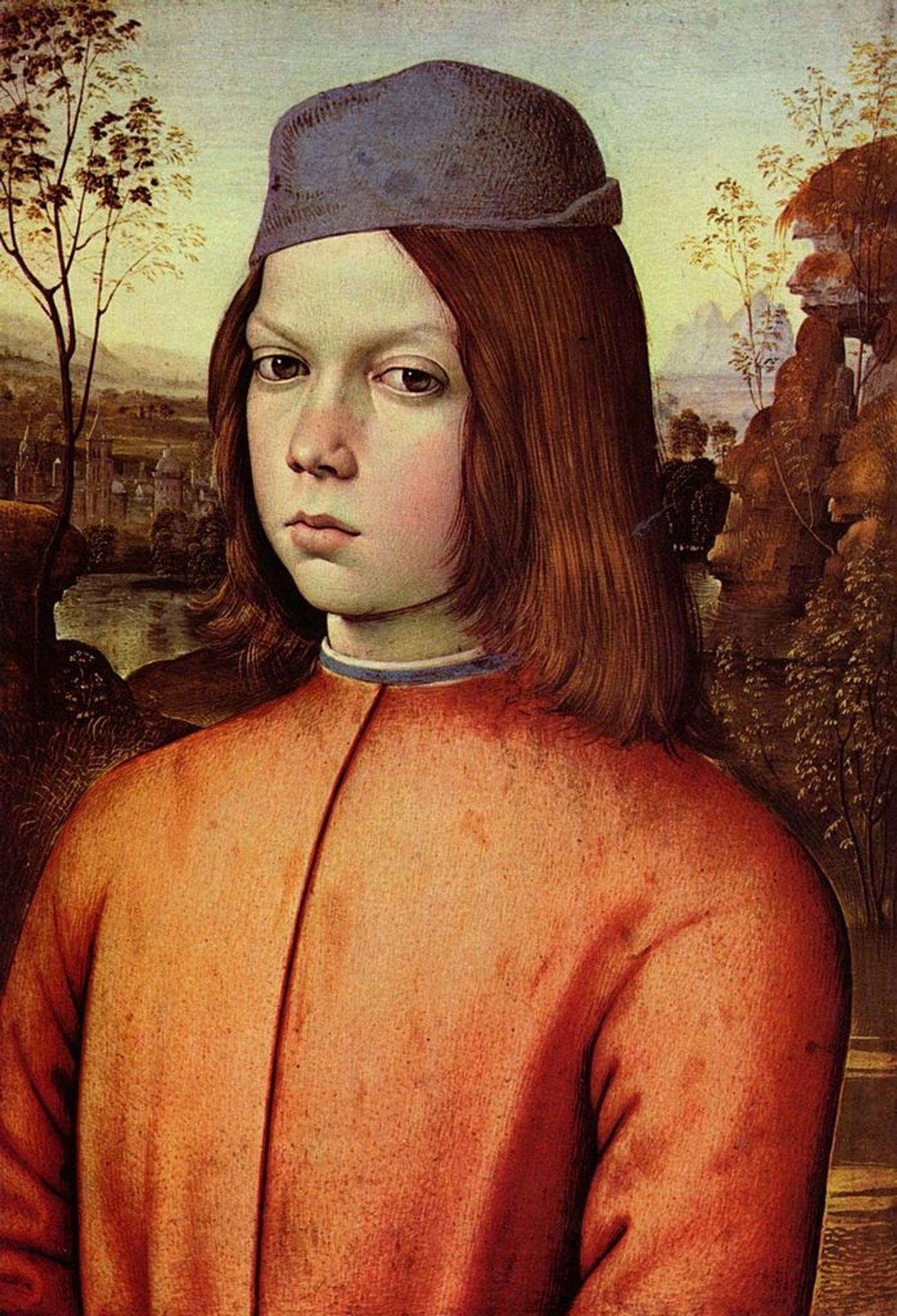
Pinturicchio painted this portrait of a boy in Italy during the late fifteenth or early sixteenth century. The work exemplifies the values of the Italian Renaissance, and speaks to the culture that surrounded its production. The painting’s balanced composition and precise rendering are characteristic of Renaissance art. The boy's calm demeanor and direct gaze suggest the era’s interest in humanism. The detailed landscape in the background, with its soft, natural light, reflects a growing appreciation for the beauty of the natural world, as celebrated by institutions and powerful families through commissions and collecting. To understand the painting’s social context, we might turn to period documents to explore the role of portraiture in Renaissance society, noting the importance it had to wealthy families trying to establish themselves. A study of the artist's patronage might further reveal the social and economic forces that shaped his art. Examining the clothing may give clues to the subject’s social status. In these ways, the painting becomes more than a simple portrait, it becomes a window into a complex and fascinating time.

Artwork details
- Medium
- oil-paint
- Copyright
- Public domain
Tags
Comments
Share your thoughts
About this artwork
Pinturicchio painted this portrait of a boy in Italy during the late fifteenth or early sixteenth century. The work exemplifies the values of the Italian Renaissance, and speaks to the culture that surrounded its production. The painting’s balanced composition and precise rendering are characteristic of Renaissance art. The boy's calm demeanor and direct gaze suggest the era’s interest in humanism. The detailed landscape in the background, with its soft, natural light, reflects a growing appreciation for the beauty of the natural world, as celebrated by institutions and powerful families through commissions and collecting. To understand the painting’s social context, we might turn to period documents to explore the role of portraiture in Renaissance society, noting the importance it had to wealthy families trying to establish themselves. A study of the artist's patronage might further reveal the social and economic forces that shaped his art. Examining the clothing may give clues to the subject’s social status. In these ways, the painting becomes more than a simple portrait, it becomes a window into a complex and fascinating time.
Comments
Share your thoughts