About this artwork
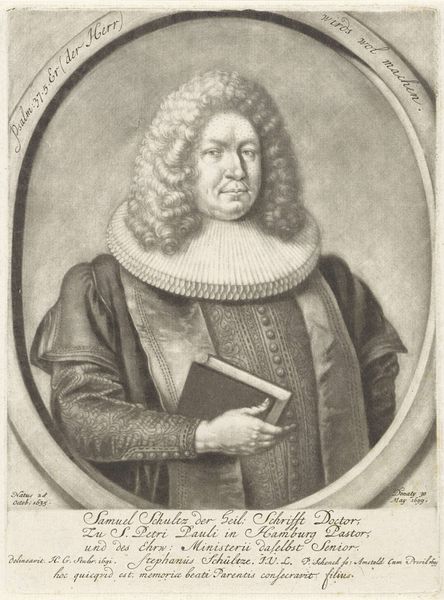
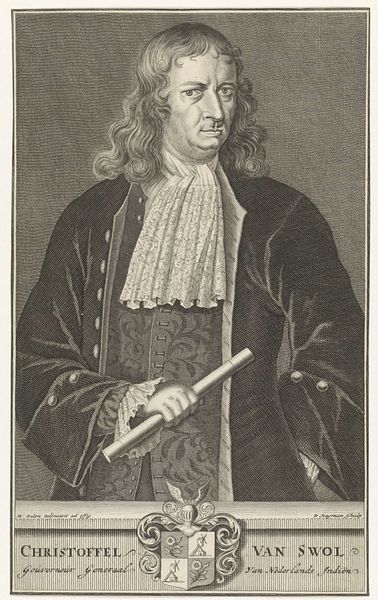
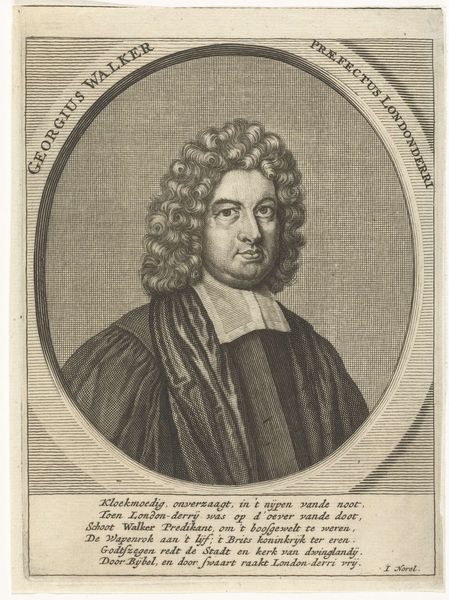
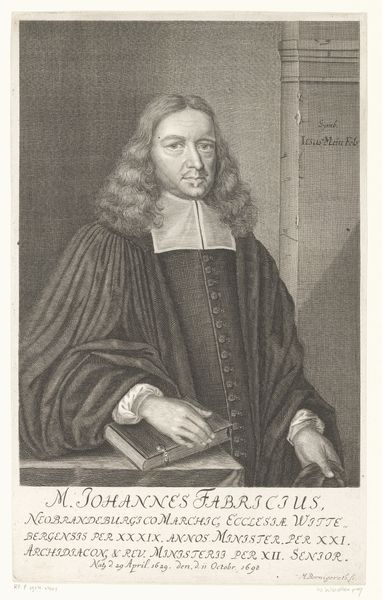
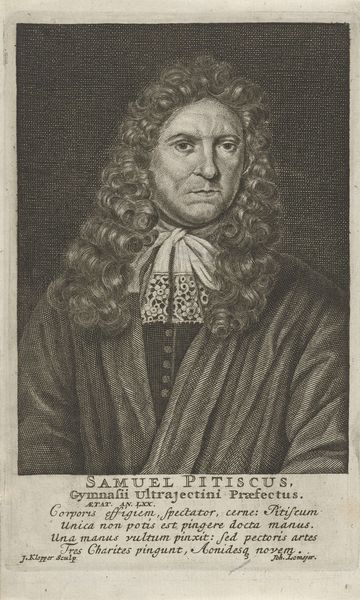
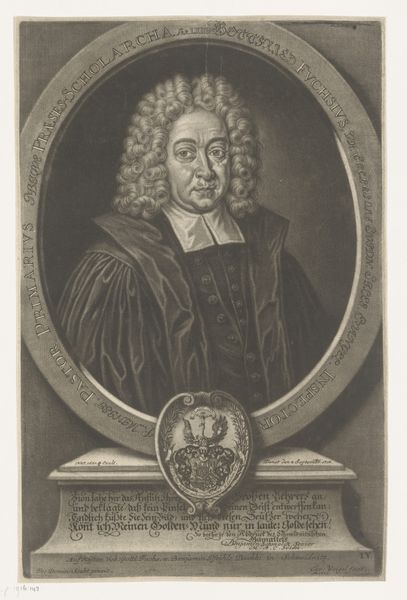
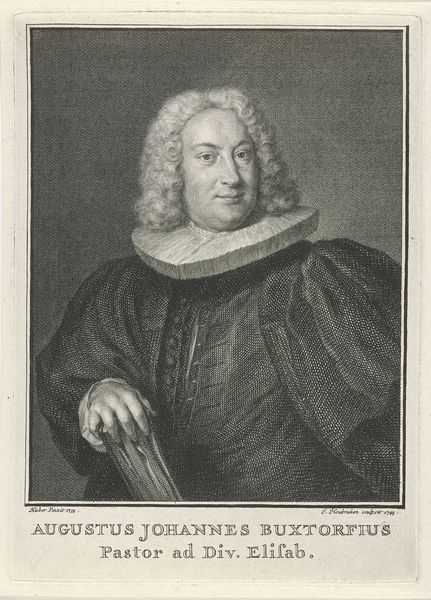
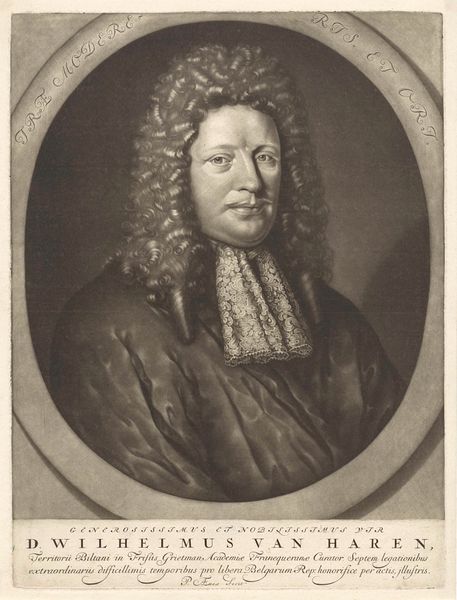
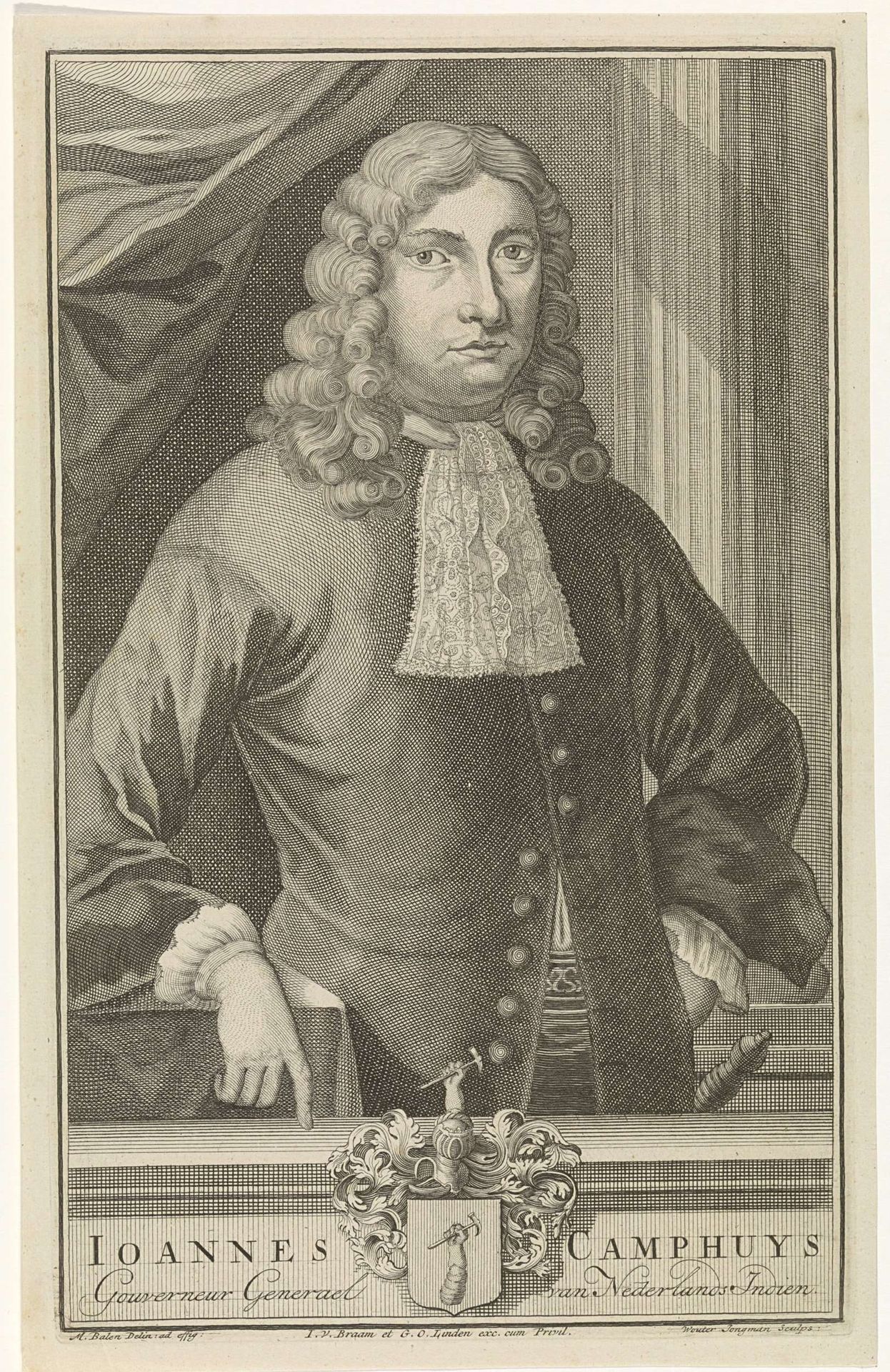
Wouter Jongman made this portrait of Johannes Camphuys, Governor-General of the Dutch East Indies, with etching. The composition offers a glimpse into the visual rhetoric of power and status of the Dutch colonial era. Camphuys, with his powdered wig and elaborate lace collar, embodies the opulence associated with his position. His identity is deeply embedded in the history of Dutch colonialism, representing a system that generated wealth and influence for some, while simultaneously perpetrating exploitation, disenfranchisement and violence. The emotional impact of this image lies in its ability to provoke reflection on the ethical complexities of historical legacies and the ways in which these are interwoven with personal and collective identities. The portrait compels us to reckon with the uncomfortable truths about the past, acknowledge its lasting impact on the present, and strive for a more just and equitable future.
Portret van Johannes Camphuys, gouverneur-generaal van Nederlands-Indië
1712 - 1744

Artwork details
- Medium
- engraving
- Dimensions
- height 299 mm, width 183 mm
- Copyright
- Rijks Museum: Open Domain
Tags
Comments
Share your thoughts
About this artwork
Wouter Jongman made this portrait of Johannes Camphuys, Governor-General of the Dutch East Indies, with etching. The composition offers a glimpse into the visual rhetoric of power and status of the Dutch colonial era. Camphuys, with his powdered wig and elaborate lace collar, embodies the opulence associated with his position. His identity is deeply embedded in the history of Dutch colonialism, representing a system that generated wealth and influence for some, while simultaneously perpetrating exploitation, disenfranchisement and violence. The emotional impact of this image lies in its ability to provoke reflection on the ethical complexities of historical legacies and the ways in which these are interwoven with personal and collective identities. The portrait compels us to reckon with the uncomfortable truths about the past, acknowledge its lasting impact on the present, and strive for a more just and equitable future.
Comments
Share your thoughts