About this artwork
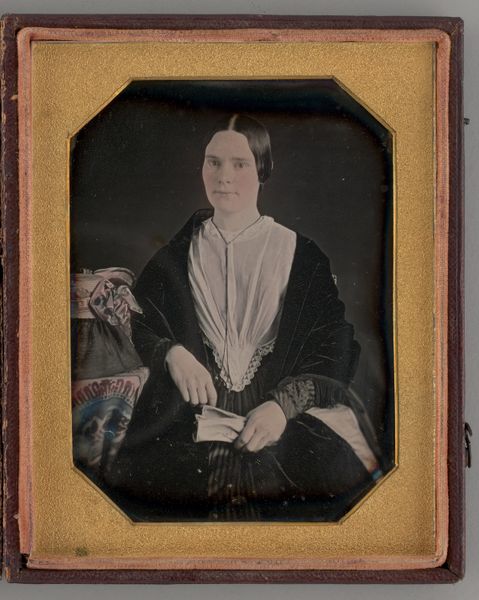
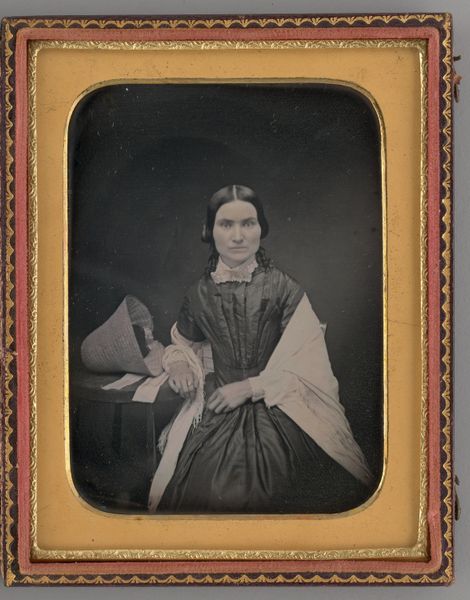
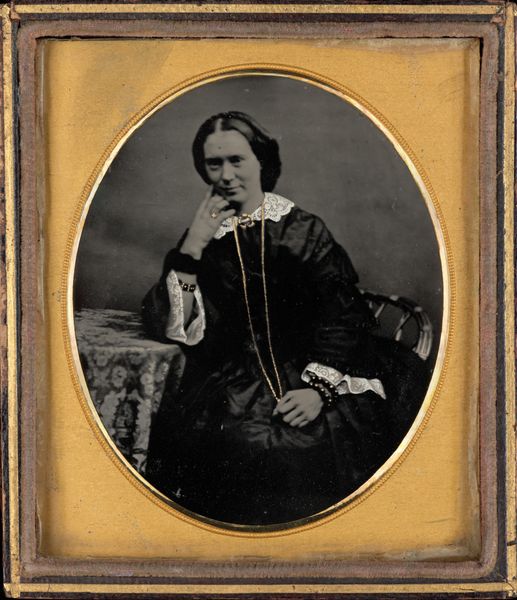
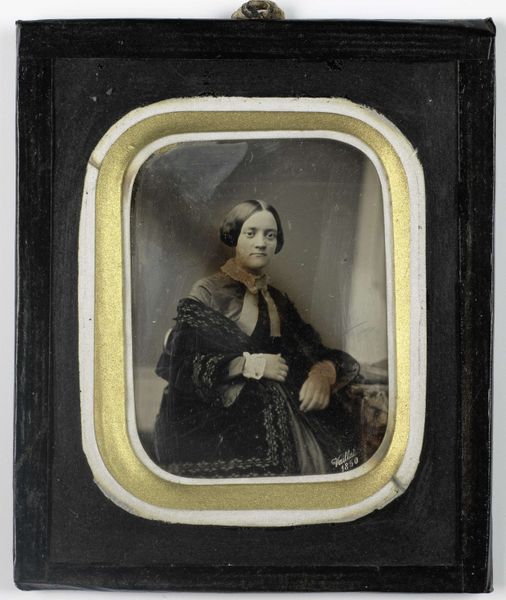
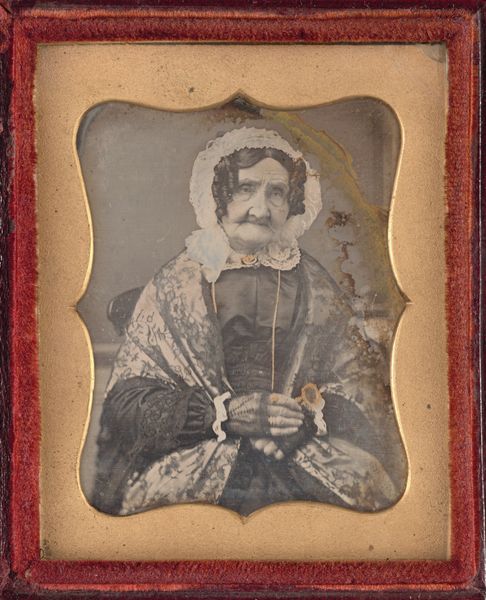
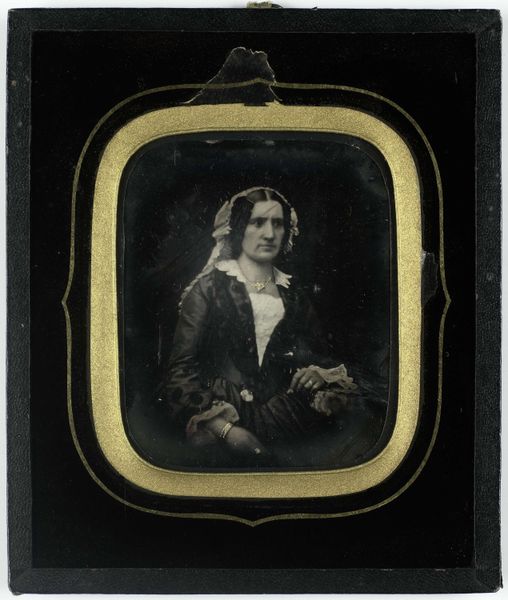
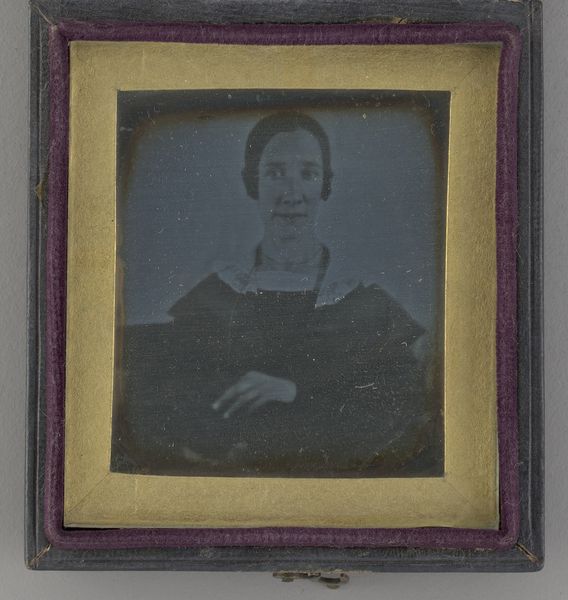
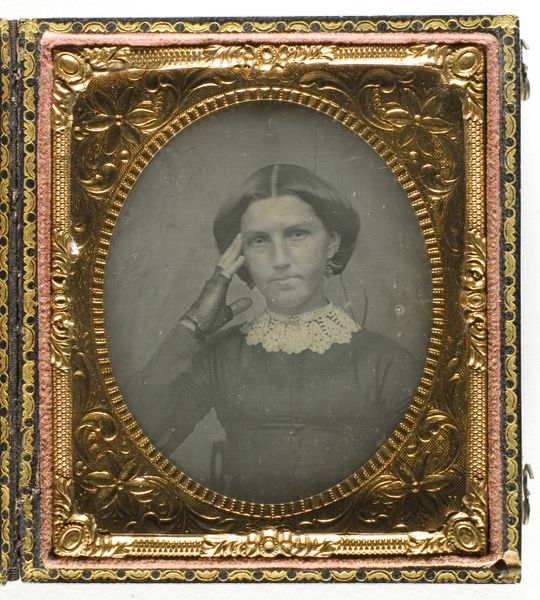
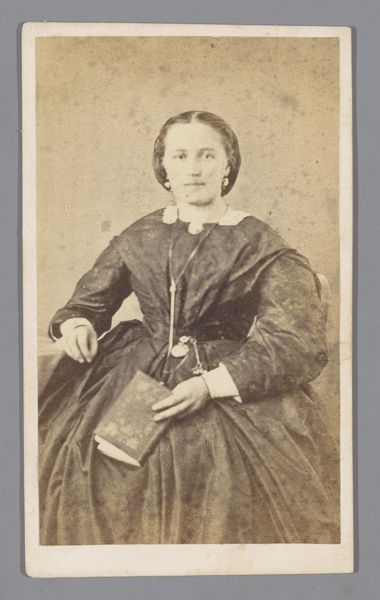
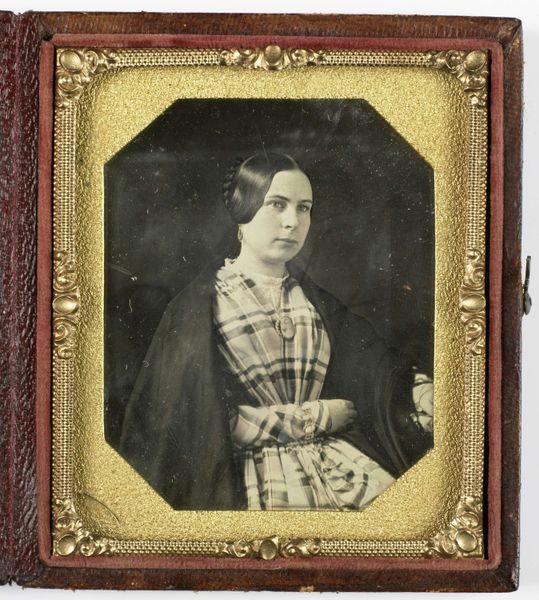
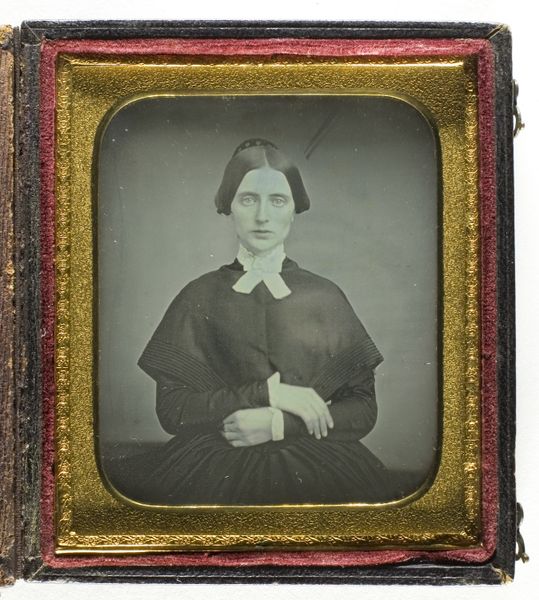
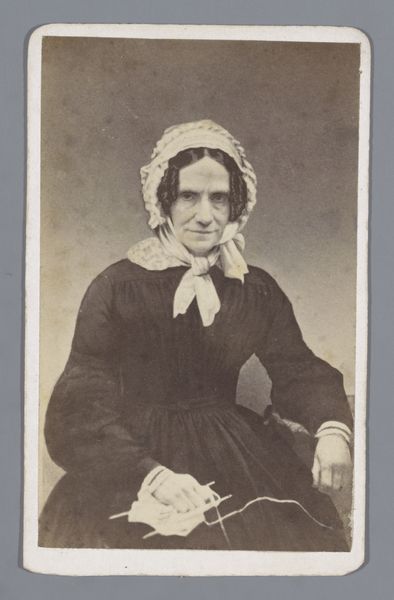
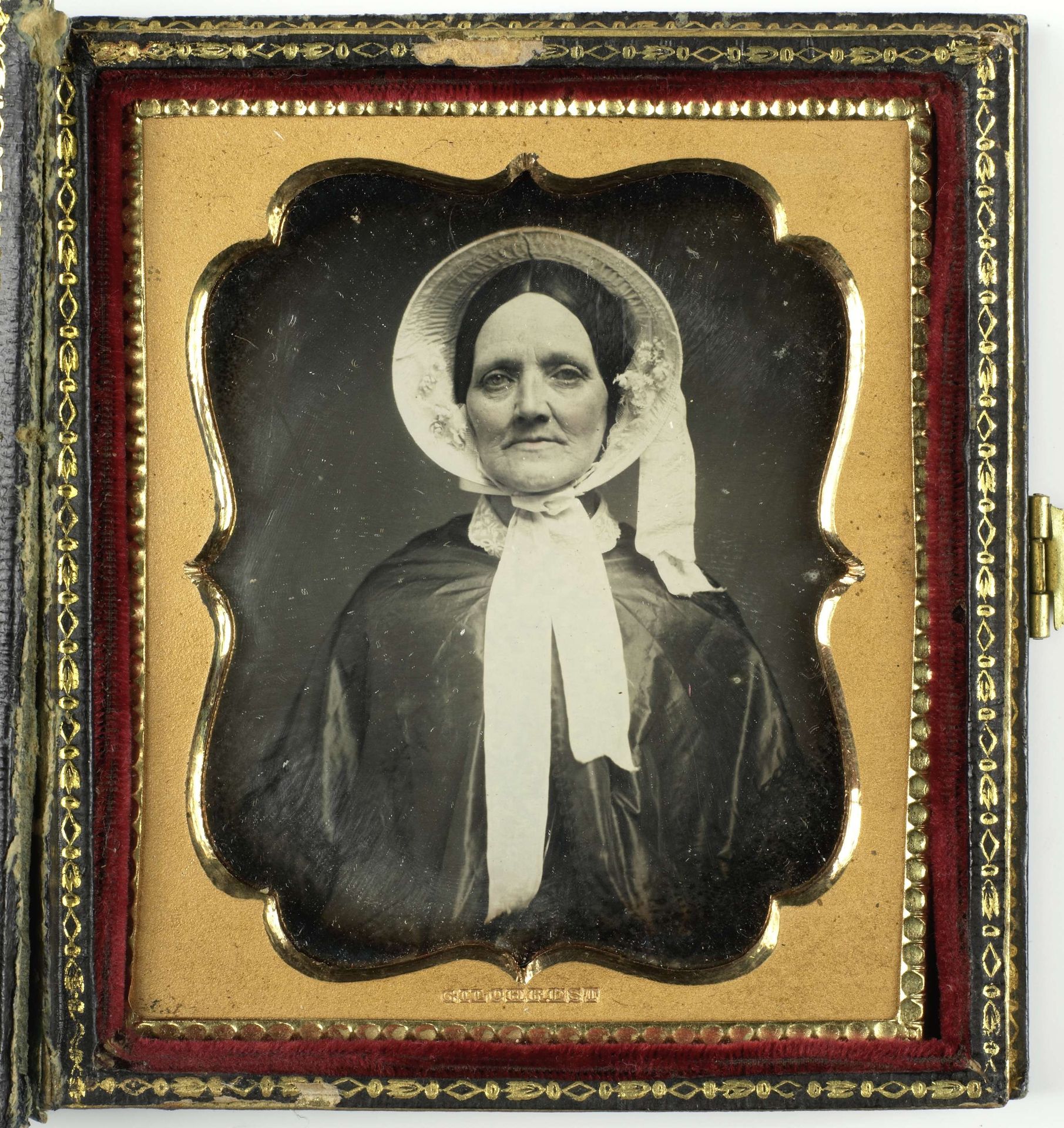
This is a portrait of an unknown woman with a hat, made by George C. Gilchrest, probably in the United States sometime in the mid-19th century. It's a small object, an early form of photography called a daguerreotype, which was often presented in a decorative case, as we see here. This kind of portraiture offered new ways of picturing oneself to a wider public. Before this time, only wealthy people could afford to commission painted portraits. Here, though, a more modest member of the middle class could commemorate their likeness. The woman’s clothing suggests that she is not poor, but not especially wealthy either. This portrait probably represents a new kind of aspiration. The hat, the dress and the photographic technology all speak to the democratization of portraiture in America at this time. To understand this portrait better, we might look at historical sources such as fashion plates, and also at the business records of early photography studios. These would help us better understand its cultural context.

Artwork details
- Medium
- daguerreotype, photography
- Dimensions
- height 69 mm, width 55 mm, height 98 mm, width 90 mm, thickness 17 mm
- Copyright
- Rijks Museum: Open Domain
Tags
Comments
Share your thoughts
About this artwork
This is a portrait of an unknown woman with a hat, made by George C. Gilchrest, probably in the United States sometime in the mid-19th century. It's a small object, an early form of photography called a daguerreotype, which was often presented in a decorative case, as we see here. This kind of portraiture offered new ways of picturing oneself to a wider public. Before this time, only wealthy people could afford to commission painted portraits. Here, though, a more modest member of the middle class could commemorate their likeness. The woman’s clothing suggests that she is not poor, but not especially wealthy either. This portrait probably represents a new kind of aspiration. The hat, the dress and the photographic technology all speak to the democratization of portraiture in America at this time. To understand this portrait better, we might look at historical sources such as fashion plates, and also at the business records of early photography studios. These would help us better understand its cultural context.
Comments
Share your thoughts