c. 1931
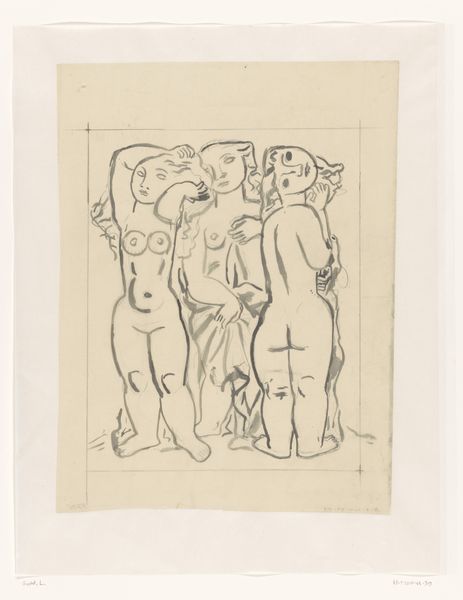
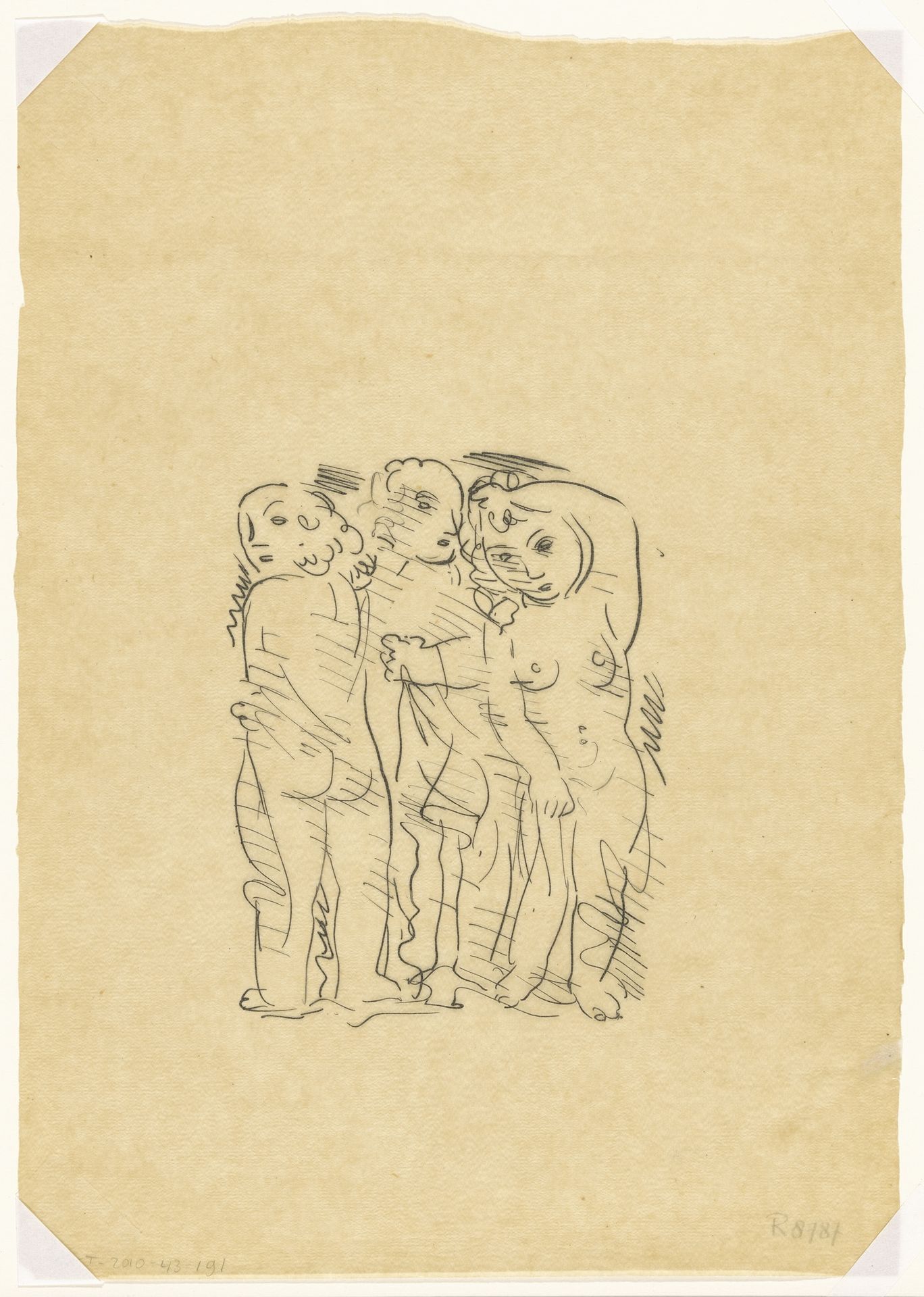
Drie gratiën (schets)

Leo Gestel
1881 - 1941Location
RijksmuseumListen to curator's interpretation
Curatorial notes
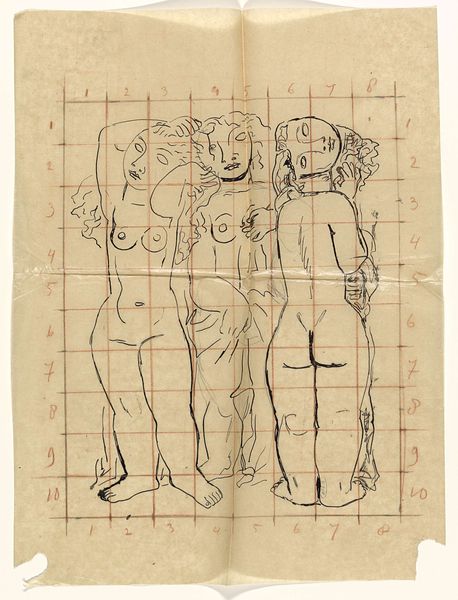
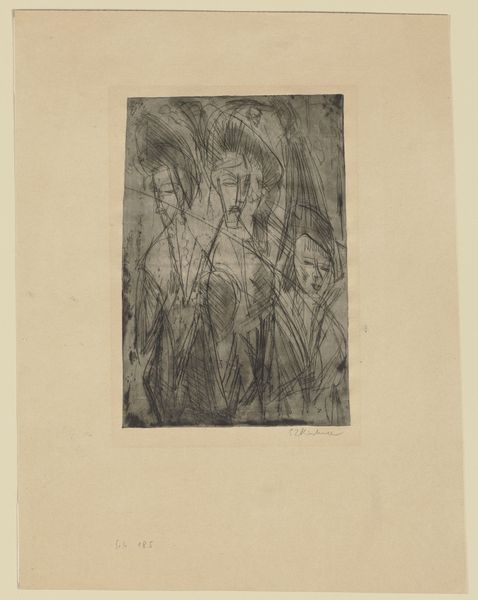
Leo Gestel sketched these three graces with pencil on paper. Gestel made this sketch in the Netherlands in the early 20th century, at a time of rapid social and cultural change. As you can see, the three figures are rendered in a very simplified, almost abstract style, a departure from traditional representations of the Graces, who in classical art are often depicted as idealized nudes embodying beauty, charm, and grace. Gestel’s sketch reflects the broader modernist movement that sought to break away from academic conventions and explore new forms of expression. Rather than aiming for realistic representation, artists like Gestel were more interested in capturing the essence or underlying structure of their subjects. The sketch shows the influence of cubism which came from Paris. This was a very cosmopolitan moment in the Netherlands, and the art institutions sought to make it more so. Understanding Gestel's "Three Graces" requires us to consider the changing artistic values and the desire to challenge established norms in the early 20th century. Further research into Gestel's career and the art scene in the Netherlands at the time would provide valuable context for interpreting this sketch.