About this artwork
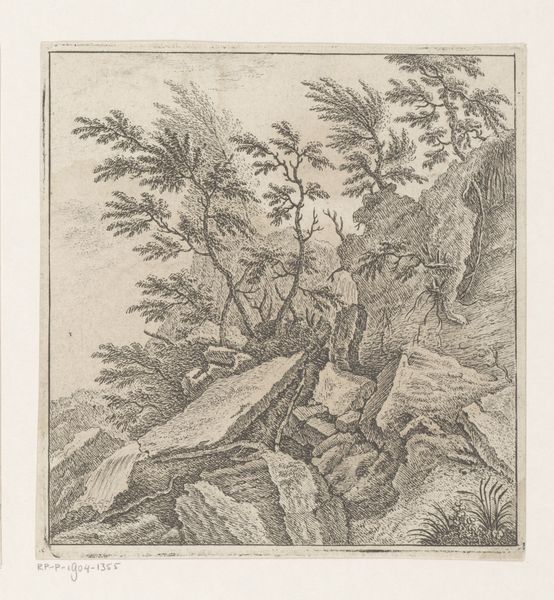
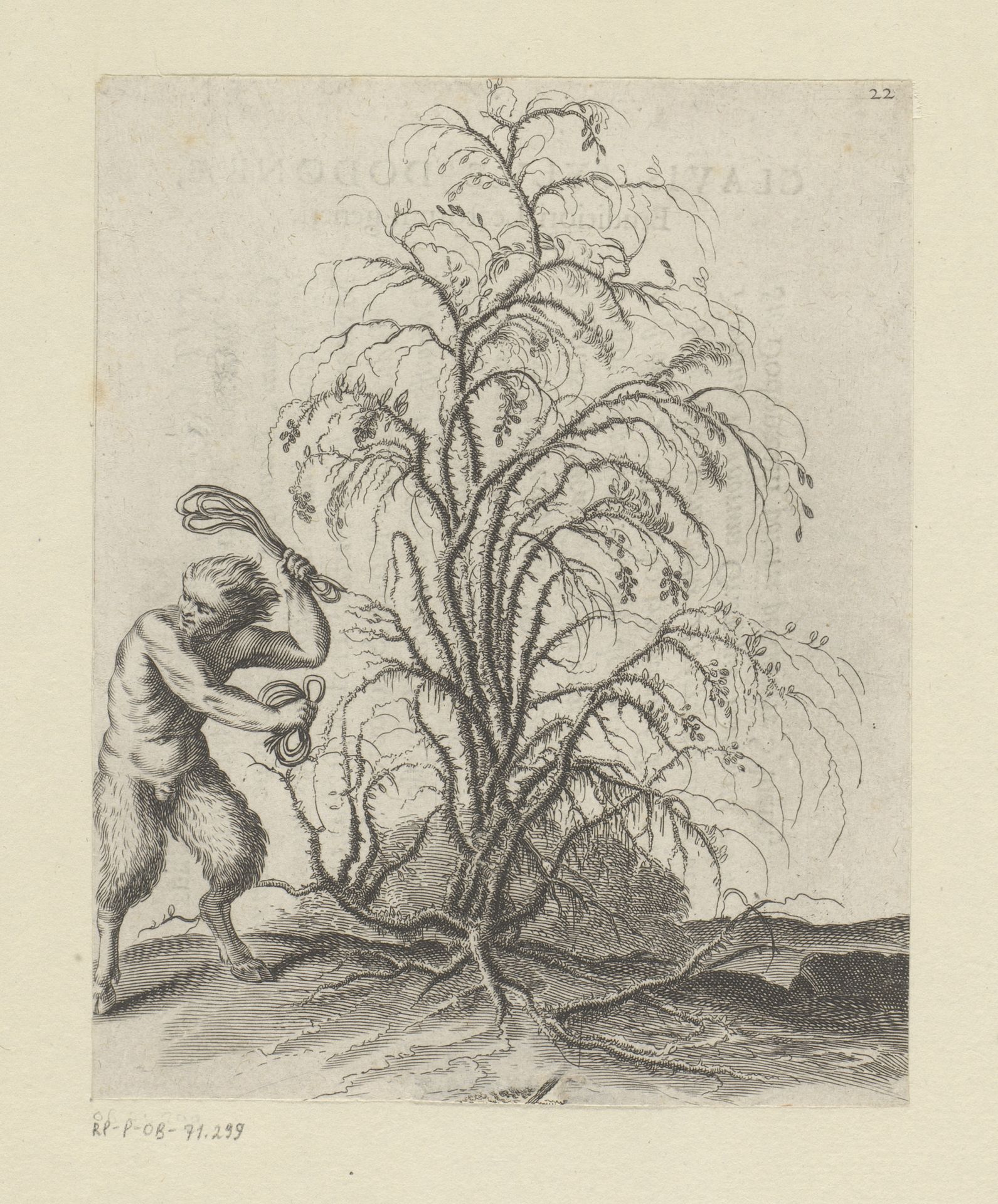
This print, "Sater met gesels naast een dorre struik," was made by Claude Mellan, most likely in the mid-17th century. Mellan was a master of engraving, a process involving cutting lines into a metal plate and then using ink to transfer that image onto paper. What's so special about Mellan is that he sometimes used a single line to create tonal variation, an incredibly difficult thing to do. The image shows a satyr with a whip next to a barren bush, and the line work is so precise and detailed that you can almost feel the texture of the satyr's fur and the roughness of the tree's bark. The way the light is rendered with such a minimalist approach gives the scene an otherworldly quality. Mellan was a highly sought-after portraitist, but his real genius was in pushing the boundaries of what was possible with engraving, elevating a reproductive technique to the level of high art. He reminds us that the value of an artwork isn't just about the image, but also about the skill and labor involved in its making.
Sater met gesels naast een dorre struik
1608 - 1688

Claude Mellan
1598 - 1688Location
RijksmuseumArtwork details
- Medium
- drawing, engraving
- Dimensions
- height 175 mm, width 140 mm
- Location
- Rijksmuseum
- Copyright
- Rijks Museum: Open Domain
Tags
Comments
Share your thoughts
About this artwork
This print, "Sater met gesels naast een dorre struik," was made by Claude Mellan, most likely in the mid-17th century. Mellan was a master of engraving, a process involving cutting lines into a metal plate and then using ink to transfer that image onto paper. What's so special about Mellan is that he sometimes used a single line to create tonal variation, an incredibly difficult thing to do. The image shows a satyr with a whip next to a barren bush, and the line work is so precise and detailed that you can almost feel the texture of the satyr's fur and the roughness of the tree's bark. The way the light is rendered with such a minimalist approach gives the scene an otherworldly quality. Mellan was a highly sought-after portraitist, but his real genius was in pushing the boundaries of what was possible with engraving, elevating a reproductive technique to the level of high art. He reminds us that the value of an artwork isn't just about the image, but also about the skill and labor involved in its making.
Comments
Share your thoughts