About this artwork
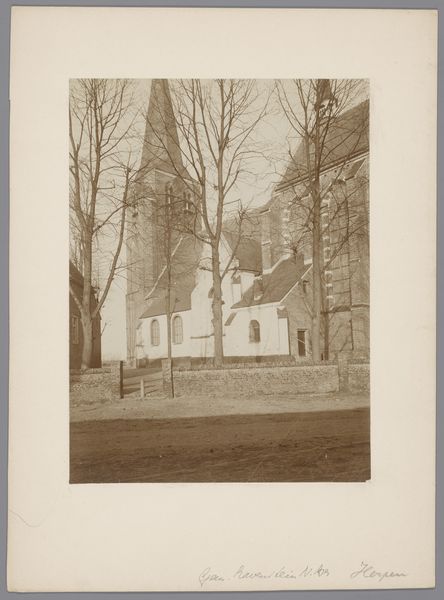
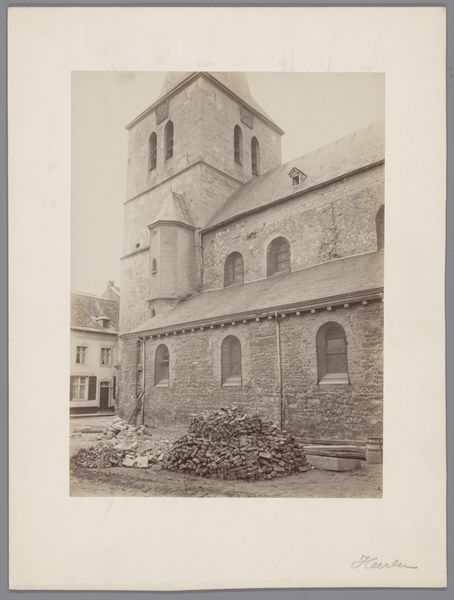
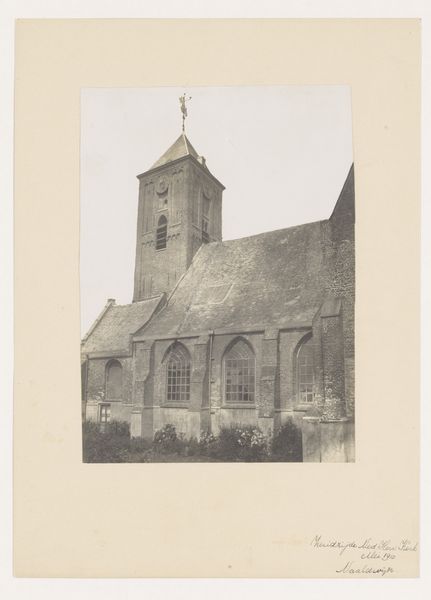
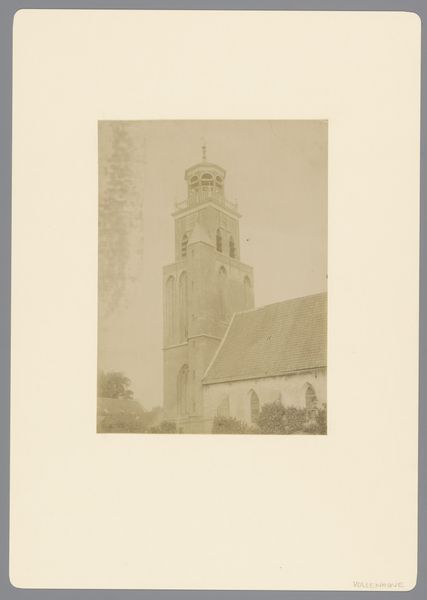
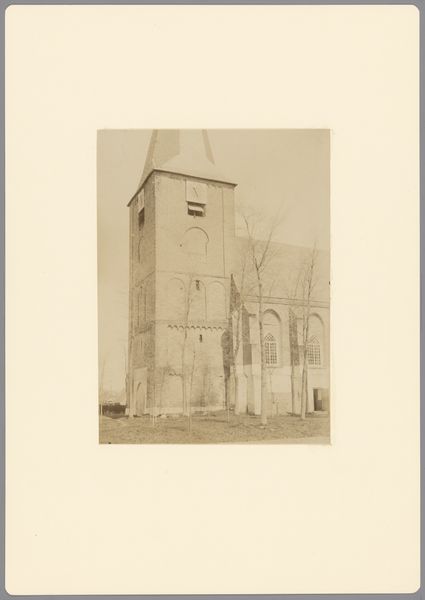
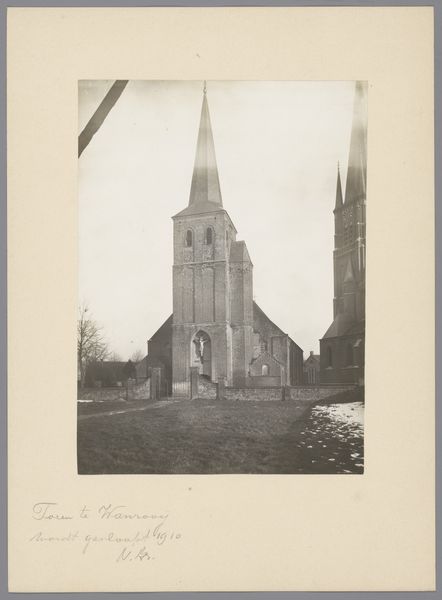
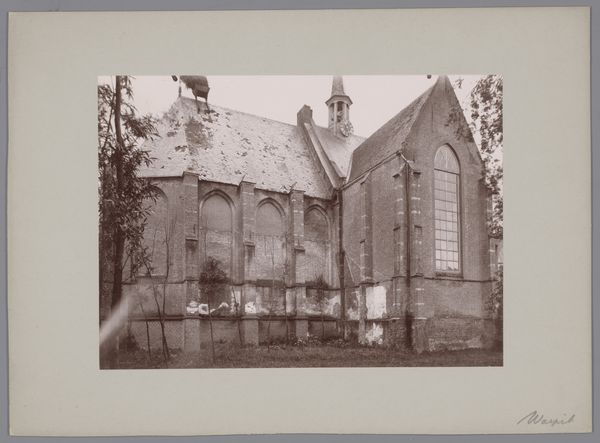
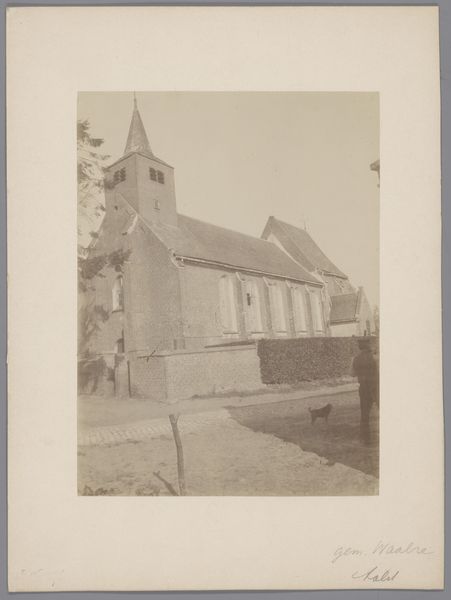
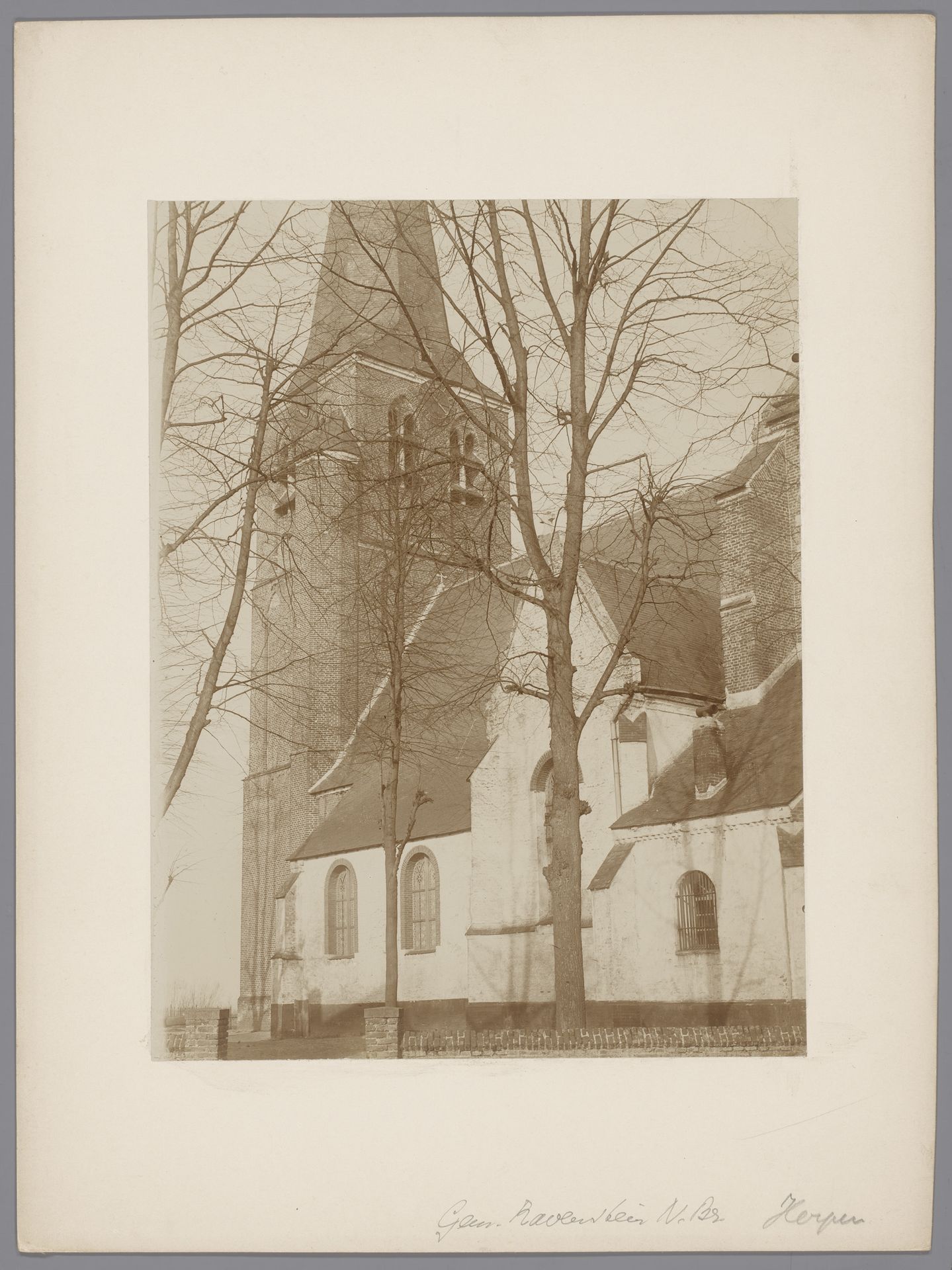
This photograph, titled 'Gedeelte van de Sint-Sebastianuskerk te Herpen', was created by an anonymous photographer from Monumentenzorg. At first glance, it’s a simple architectural study, but consider the context. Monumentenzorg, the Dutch heritage organization, was tasked with preserving cultural landmarks. This image becomes more than just a depiction of a church; it's a statement about cultural identity. What does it mean to document and preserve a space of worship? Churches carry layers of meaning - they're not just buildings, but symbols of community, faith, and historical power. The choice to document this particular church says something about the values and priorities of the time. It asks us to think about the role of religious institutions in shaping our understanding of community and belonging. The church stands as a stoic reminder of the past, inviting us to reflect on our relationship to history and faith.
Gedeelte van de Sint-Sebastianuskerk te Herpen
before 1907

Artwork details
- Dimensions
- height 227 mm, width 172 mm
- Copyright
- Rijks Museum: Open Domain
Comments
Share your thoughts
About this artwork
This photograph, titled 'Gedeelte van de Sint-Sebastianuskerk te Herpen', was created by an anonymous photographer from Monumentenzorg. At first glance, it’s a simple architectural study, but consider the context. Monumentenzorg, the Dutch heritage organization, was tasked with preserving cultural landmarks. This image becomes more than just a depiction of a church; it's a statement about cultural identity. What does it mean to document and preserve a space of worship? Churches carry layers of meaning - they're not just buildings, but symbols of community, faith, and historical power. The choice to document this particular church says something about the values and priorities of the time. It asks us to think about the role of religious institutions in shaping our understanding of community and belonging. The church stands as a stoic reminder of the past, inviting us to reflect on our relationship to history and faith.
Comments
Share your thoughts