before 1884
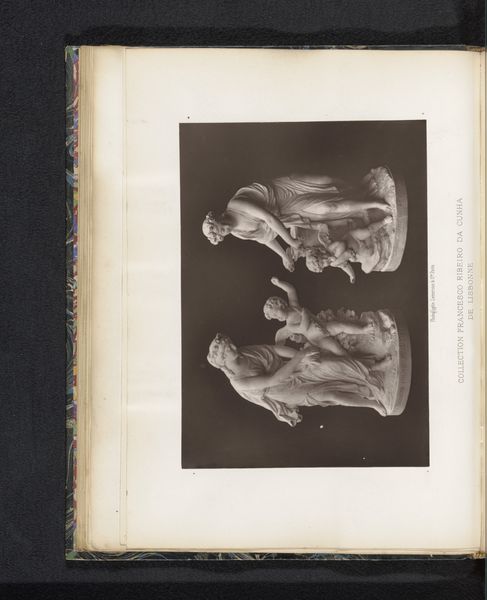
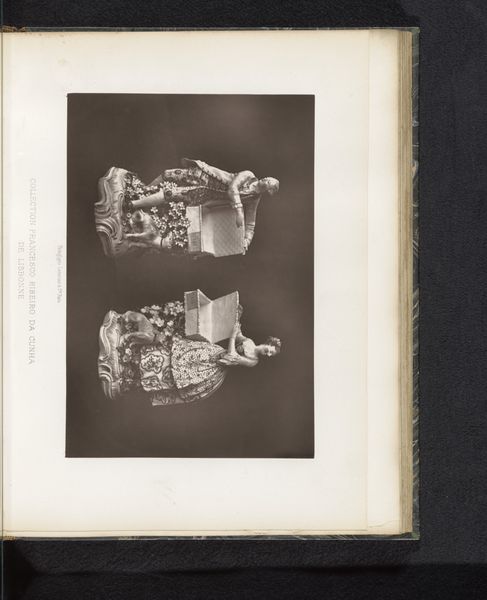
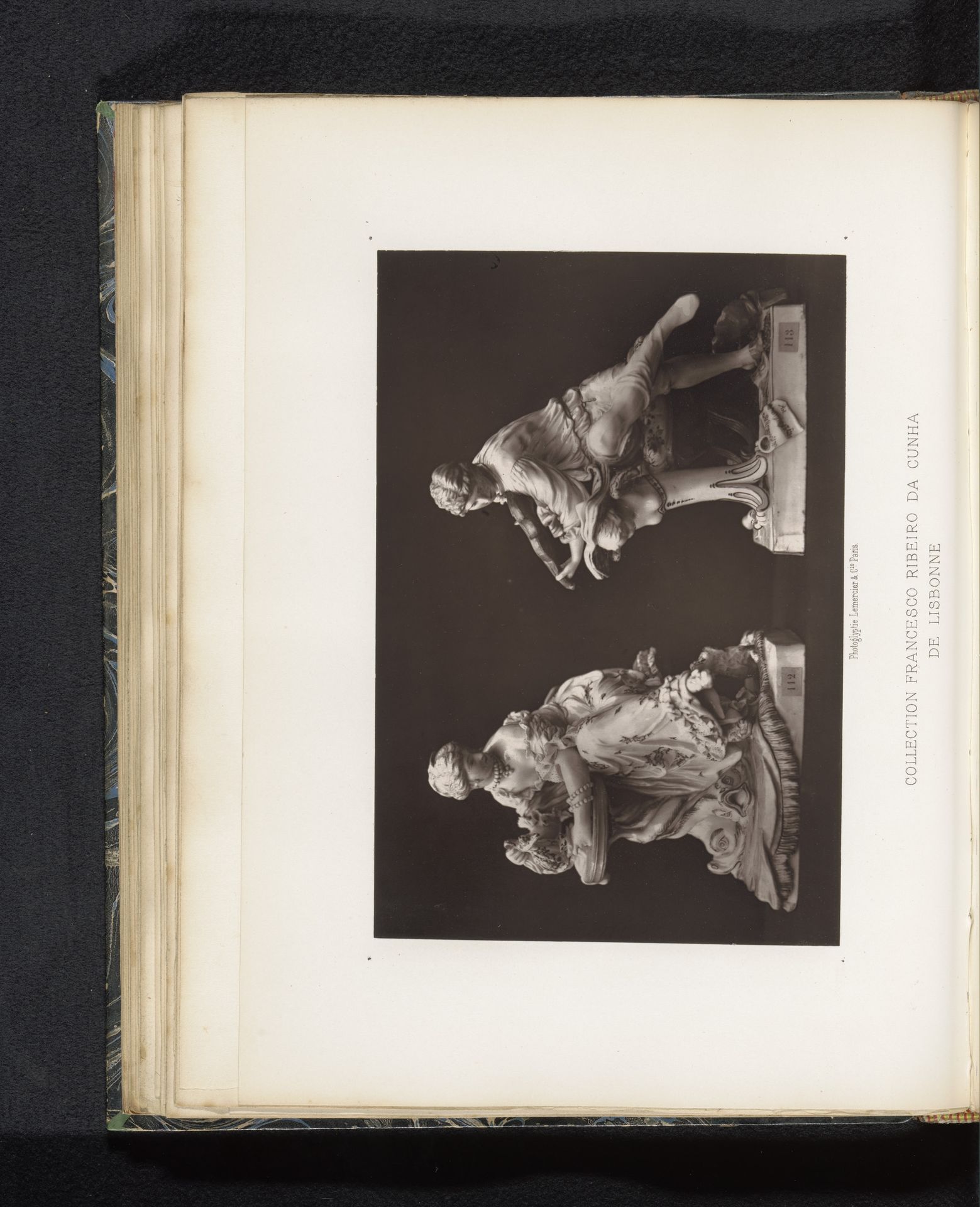
Twee sculpturen van een vrouw die thee drinkt en een violiste

Lemercier & Cie.
@lemerciercieLocation
RijksmuseumListen to curator's interpretation
Curatorial notes
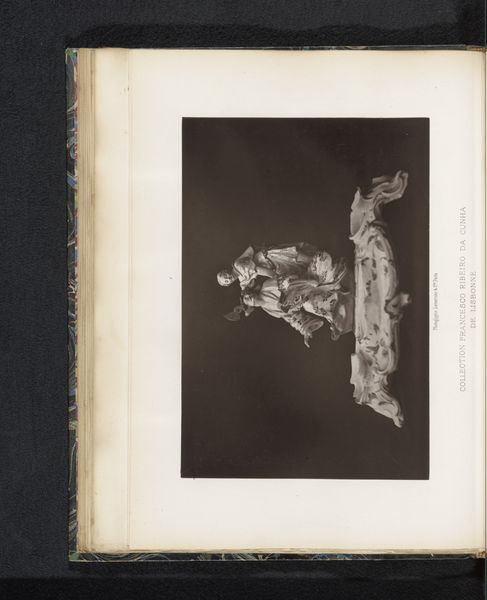
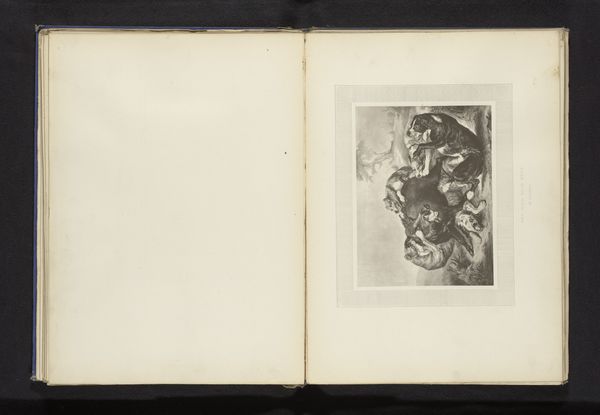
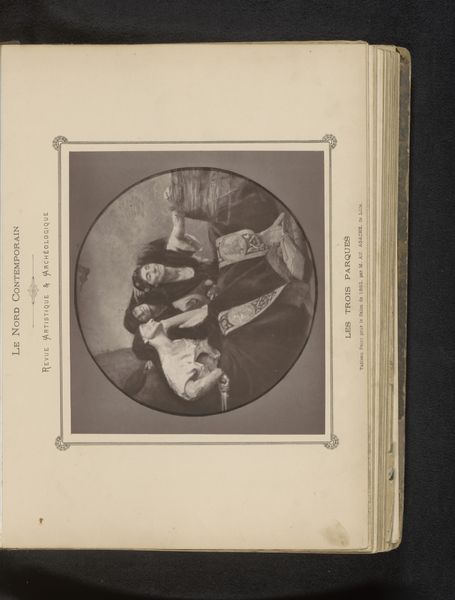
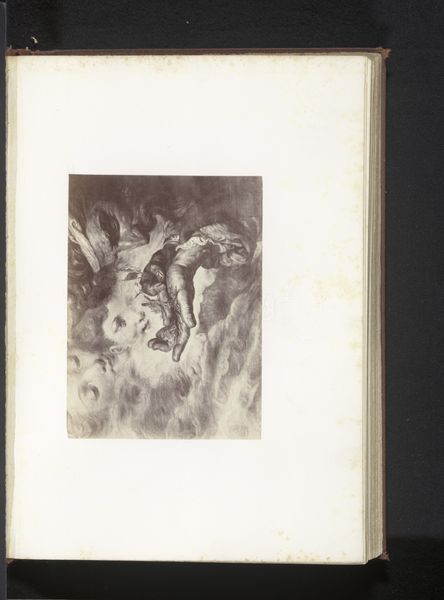
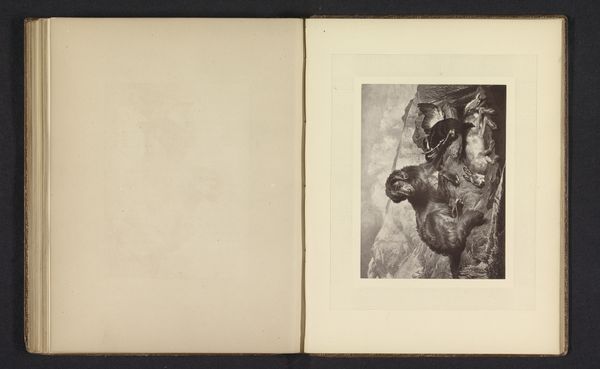
Editor: Here we have a photographic print from before 1884 titled "Twee sculpturen van een vrouw die thee drinkt en een violiste," credited to Lemercier & Cie. It captures two sculptural figures. There's something very classical about the draped fabric and the poses. How do you see this image functioning, thinking about its materiality? Curator: I see it as deeply entrenched in the burgeoning culture of photographic reproduction, particularly regarding sculpture. Let’s think about the context: Photography provided a way to disseminate sculptural works far beyond their physical location. Consider who controlled this dissemination – the photographic firms like Lemercier. Editor: So, instead of focusing solely on the sculptures themselves, we should be thinking about Lemercier's role as a producer of this image. How does their work change the viewer's understanding of the sculptures? Curator: Exactly! These photographs turned three-dimensional objects into commodities, circulated as images, and consumed within a growing market for art reproductions. What was previously a unique sculptural object becomes part of a mass-produced visual culture. The paper, the printing process, the distribution networks—all are essential to understanding its impact. Consider the labour involved at each stage. Editor: That shifts my perspective quite a bit. I was initially drawn to the artistry of the sculptures, but now I am more aware of the material processes involved in its production. It raises questions about access and the democratization of art. Curator: Indeed. The photograph makes the sculptures available in a new, portable form, but it also mediates our experience of them, transforming artistic creation into a commodity. Think about who could afford these photographic prints. It really wasn't *that* democratized. Editor: It’s fascinating to consider the layers of production and consumption intertwined in what appears to be a simple photographic reproduction. It gives me a fresh appreciation for how the meaning of an artwork is shaped by its materiality and mode of distribution.