1641
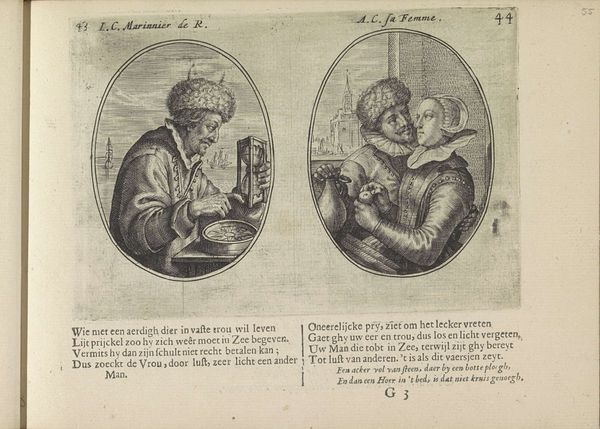
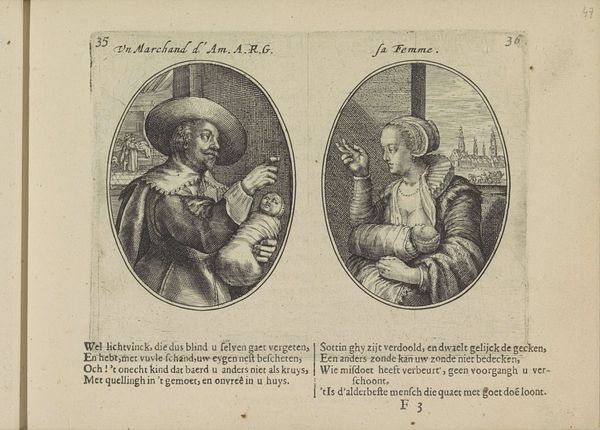
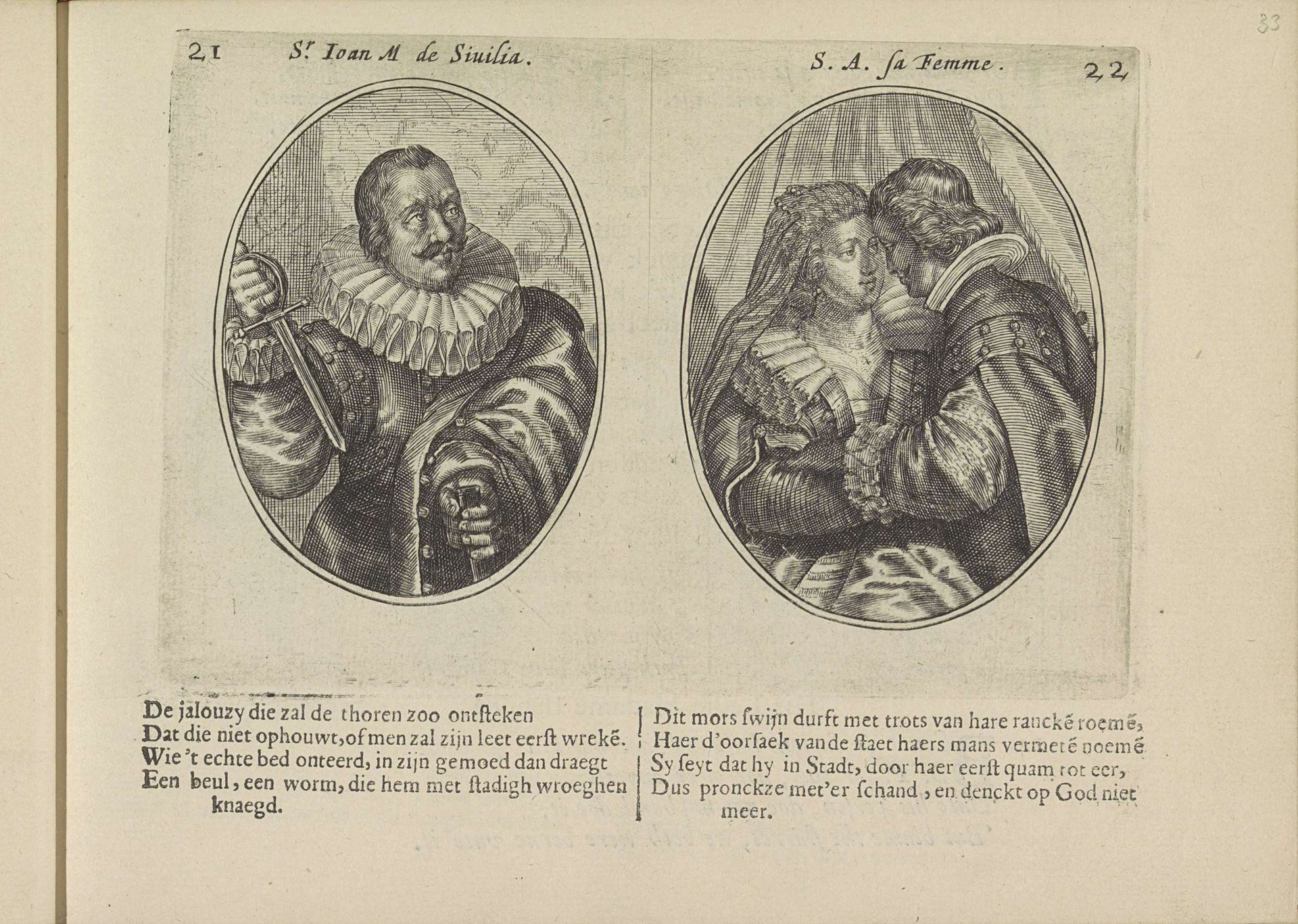
Koopman uit Sevilla en zijn vrouw

Crispijn van de (II) Passe
1597 - 1670Location
RijksmuseumListen to curator's interpretation
Curatorial notes
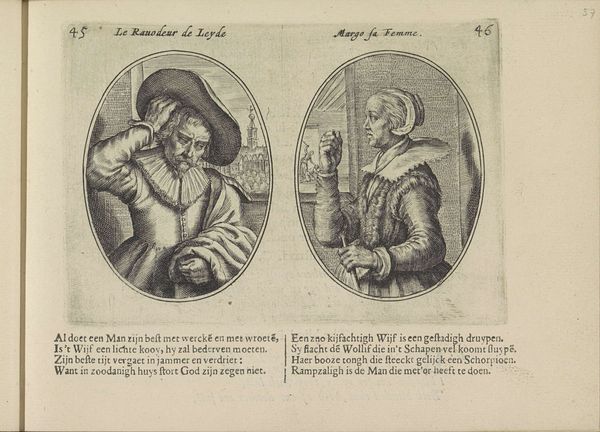
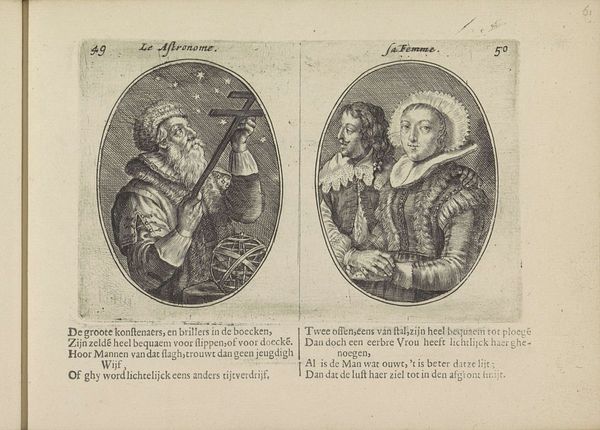
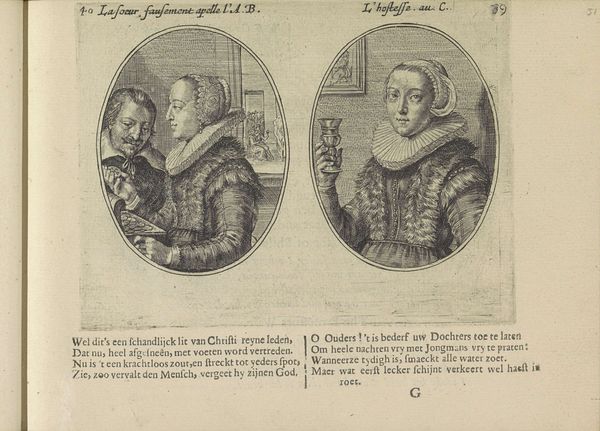
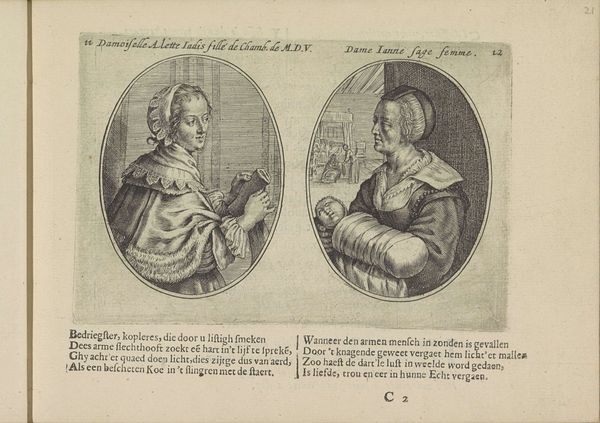
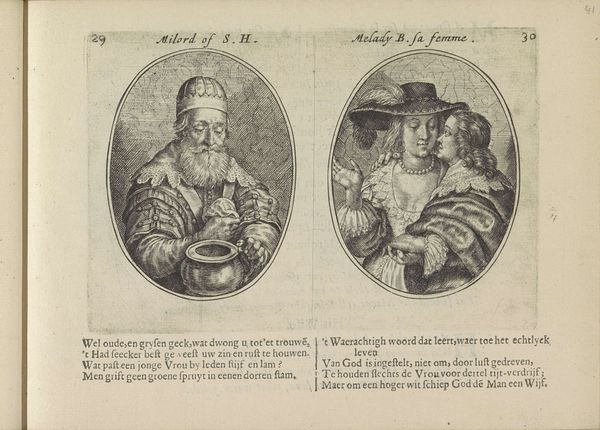
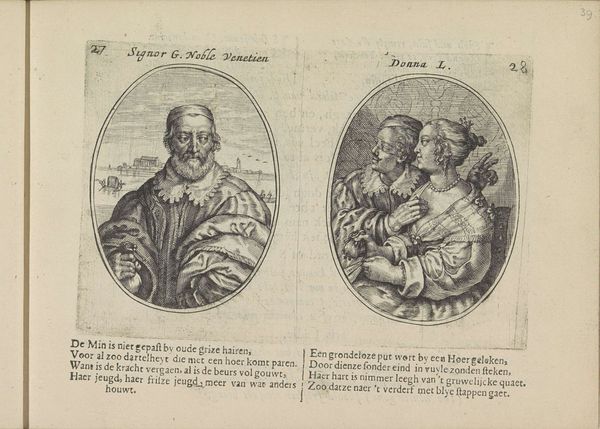
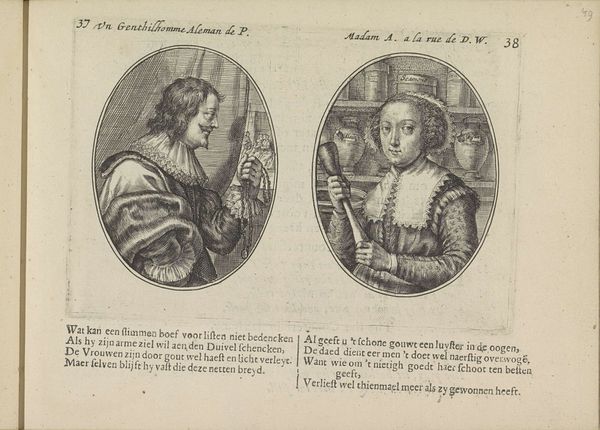
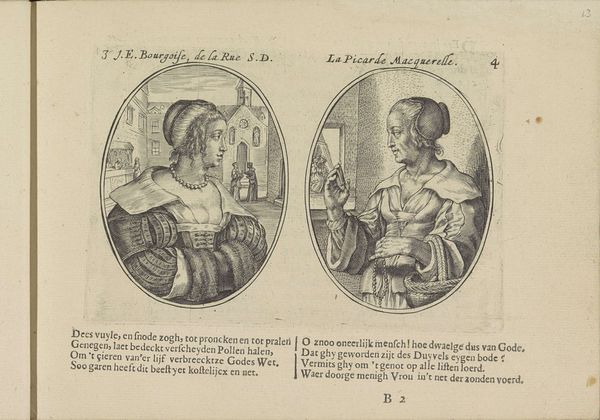
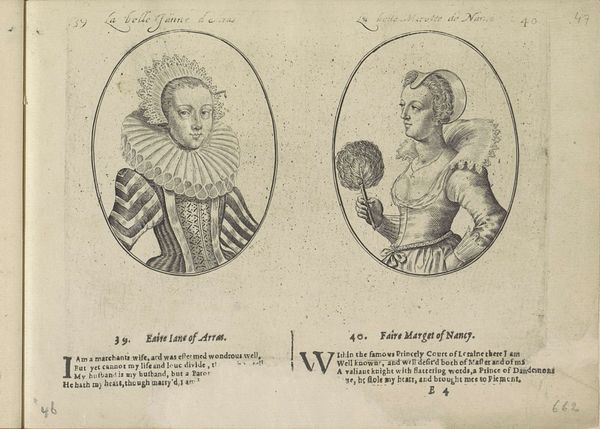
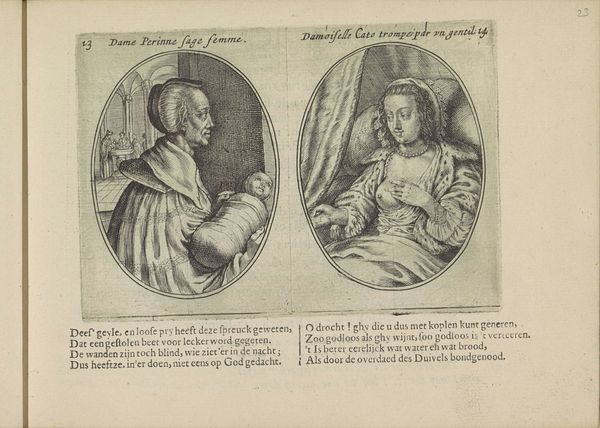
Crispijn van de Passe the Younger made this engraving of a merchant from Seville and his wife. Look closely and you'll notice that it’s a print, made by cutting lines into a copper plate, inking it, and then running it through a press. Engraving like this was a skilled, laborious process. Each line had to be carved precisely to create the illusion of light and shadow, volume and texture. The choice of copper was crucial; it’s soft enough to be worked with fine tools, yet durable enough to withstand repeated printings. This wasn't just a technical exercise, though. The print served a social function, circulating images and ideas in a way that paintings simply couldn't. Think of it as an early form of mass media, reflecting and shaping public opinion. The amount of labor involved in the production process reflects a time when skilled craftsmanship was highly valued. It's a reminder that even seemingly simple images are the result of complex processes, social contexts, and skilled hands.