About this artwork
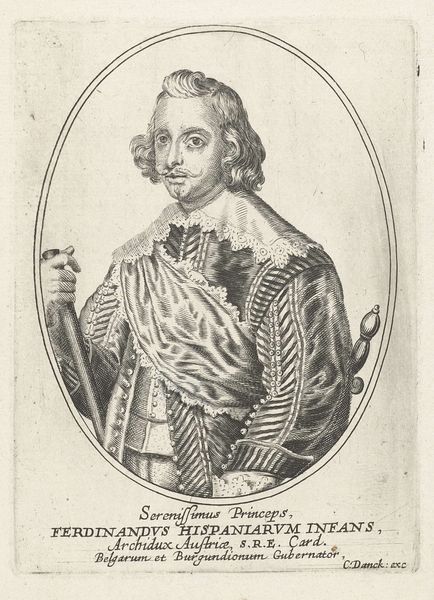
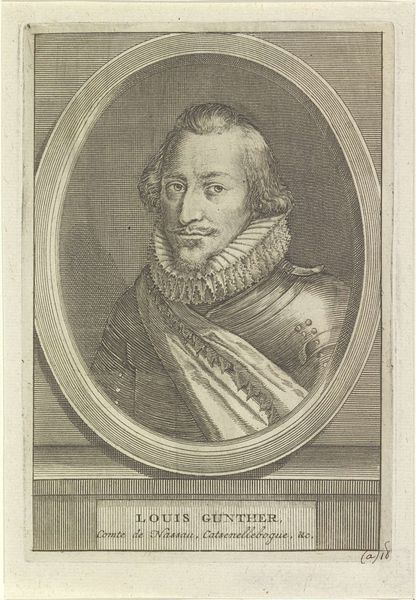
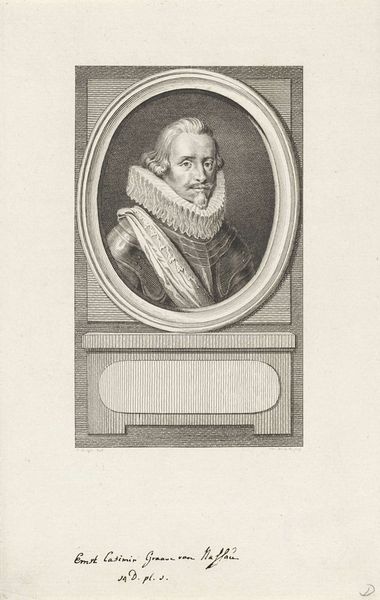
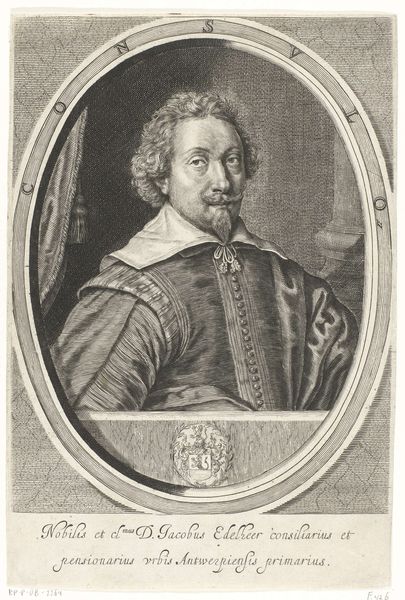
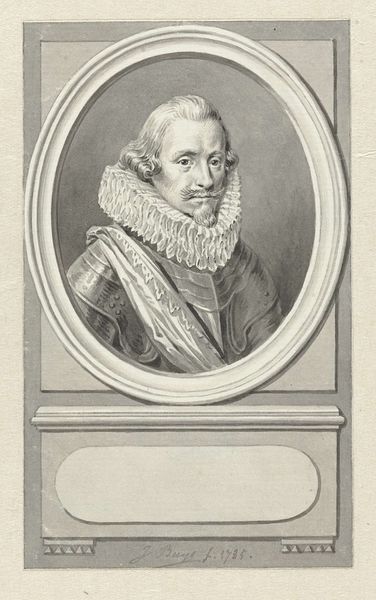
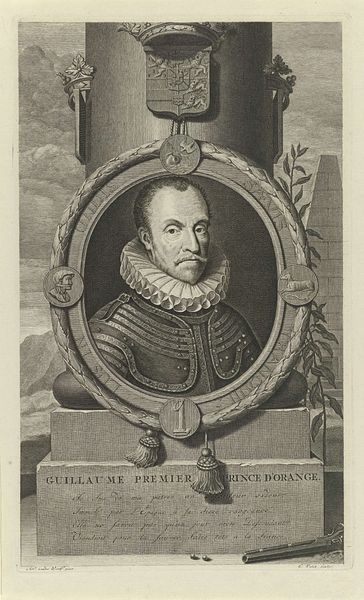
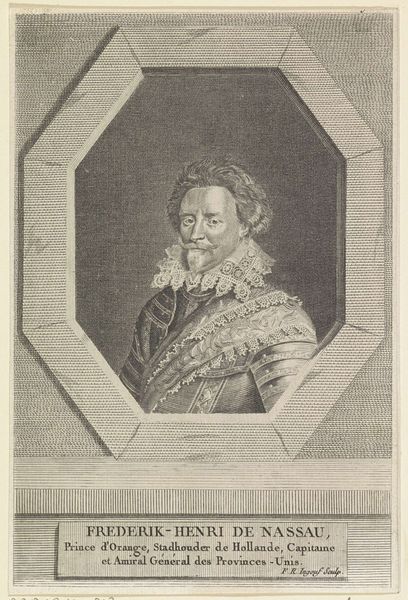
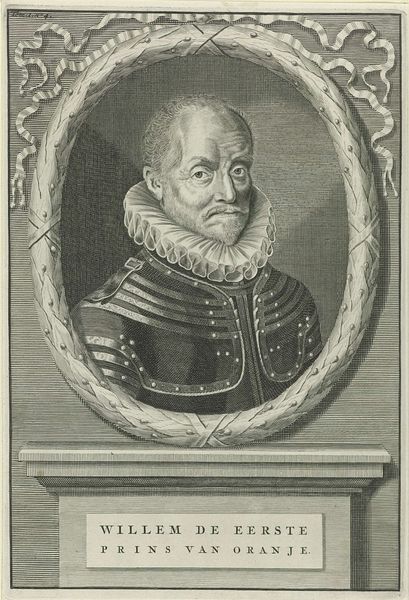
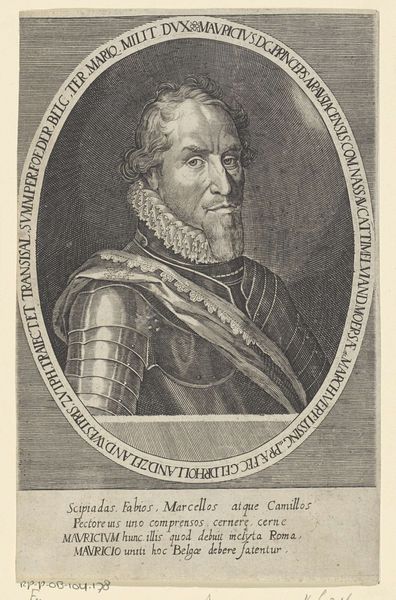
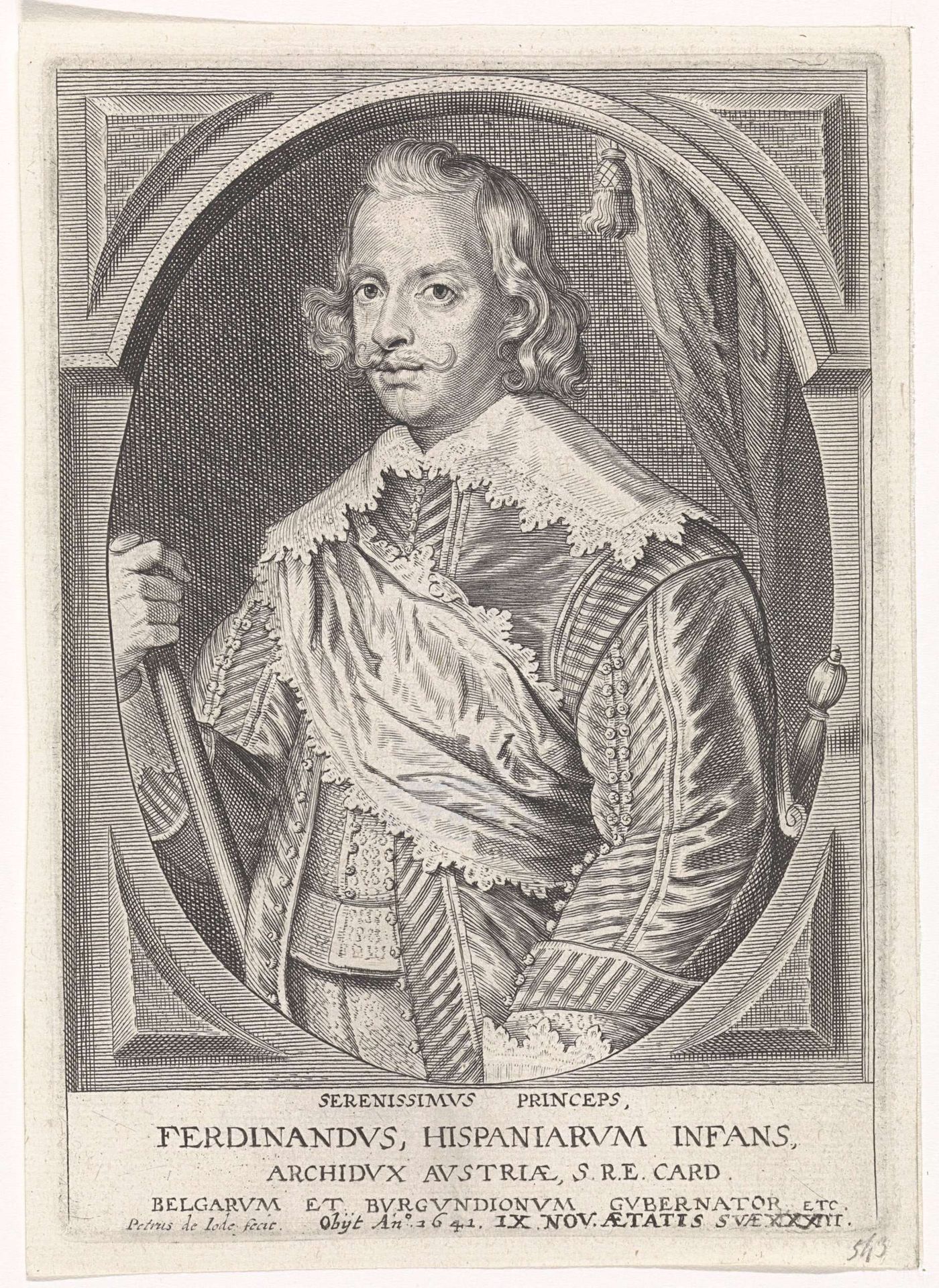
This portrait of Ferdinand van Oostenrijk was made by Pieter de Jode the Younger, probably around 1641, using engraving. The process begins with a metal plate, usually copper, into which the artist carves lines with a tool called a burin. Look closely, and you'll see the incredible density of marks de Jode used to build up the image. The cross-hatching suggests the fall of light and shadow across Ferdinand’s face and clothing. This labour-intensive technique was the dominant mode of image production before photography. The print could then be reproduced many times over; it was, in essence, an early form of mechanical reproduction. In its own way, engraving was as revolutionary a technology as any we have today. It democratized image-making and made it more widely accessible. By understanding the processes involved in creating this portrait, we realize it's not just a picture. It's a testament to the artistry and the social impact of a technology that changed how we see the world.

Artwork details
- Medium
- engraving
- Dimensions
- height 151 mm, width 106 mm
- Location
- Rijksmuseum
- Copyright
- Rijks Museum: Open Domain
Tags
Comments
Share your thoughts
About this artwork
This portrait of Ferdinand van Oostenrijk was made by Pieter de Jode the Younger, probably around 1641, using engraving. The process begins with a metal plate, usually copper, into which the artist carves lines with a tool called a burin. Look closely, and you'll see the incredible density of marks de Jode used to build up the image. The cross-hatching suggests the fall of light and shadow across Ferdinand’s face and clothing. This labour-intensive technique was the dominant mode of image production before photography. The print could then be reproduced many times over; it was, in essence, an early form of mechanical reproduction. In its own way, engraving was as revolutionary a technology as any we have today. It democratized image-making and made it more widely accessible. By understanding the processes involved in creating this portrait, we realize it's not just a picture. It's a testament to the artistry and the social impact of a technology that changed how we see the world.
Comments
Share your thoughts