1619 - 1690
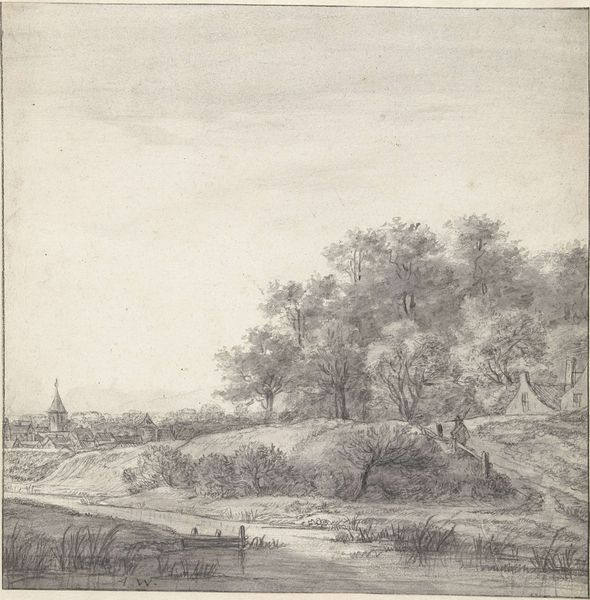
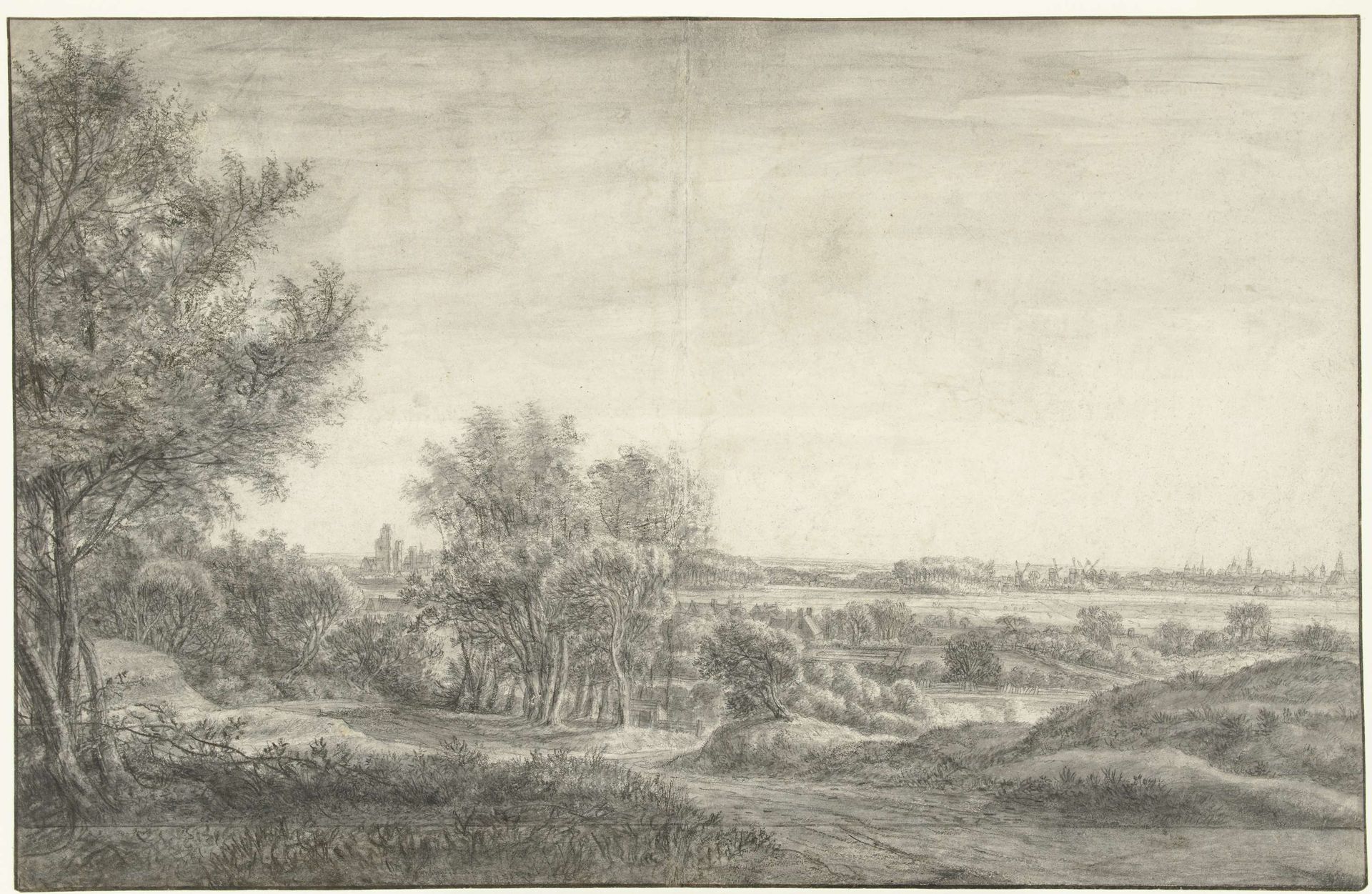
Gezicht vanuit de duinen op Haarlem met ruïne van het Huis te Kleef

Anthonie Waterloo
1610 - 1690Location
RijksmuseumListen to curator's interpretation
Curatorial notes
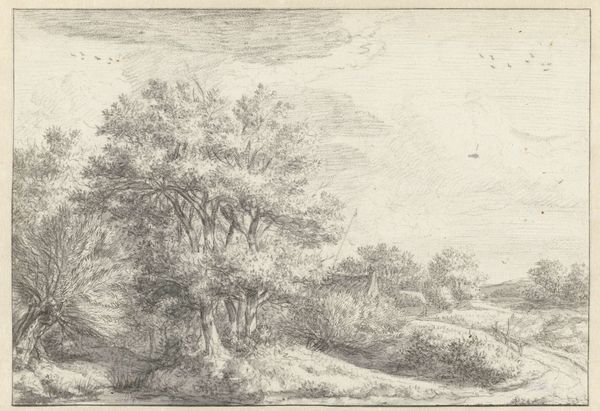
Anthonie Waterloo made this drawing of Haarlem with pen in the seventeenth century. It captures the landscape around Haarlem during the Dutch Golden Age. Waterloo's choice to depict a ruined castle in the scene resonates with the socio-political context of the time. The Dutch Republic had emerged from a long struggle for independence from Spanish rule. The ruins symbolize the fragility of power and the transient nature of human endeavors. They also subtly emphasize the triumph over tyranny. Dutch Golden Age art was closely tied to the values of the rising merchant class. Landscapes became popular, reflecting a sense of national pride and connection to the land. Waterloo’s artistic choices reflected the tastes and values of his society. Understanding this drawing requires historical research. By studying the history of the Dutch Republic and the cultural values of the time, we can grasp the deeper meanings embedded in this seemingly simple landscape.