About this artwork
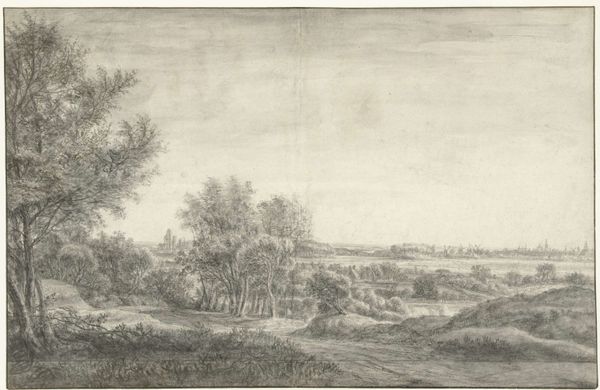
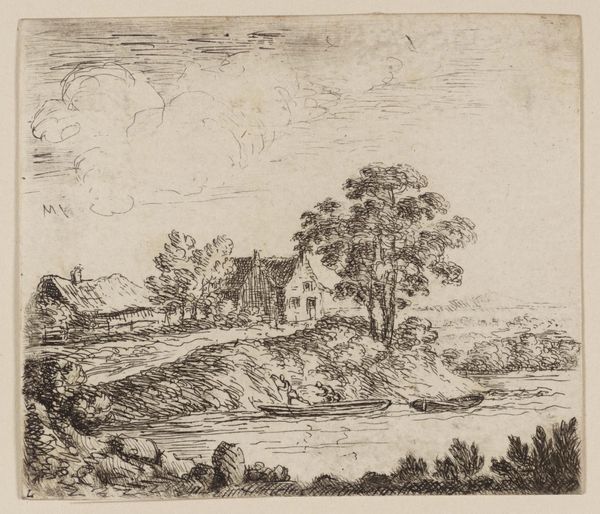
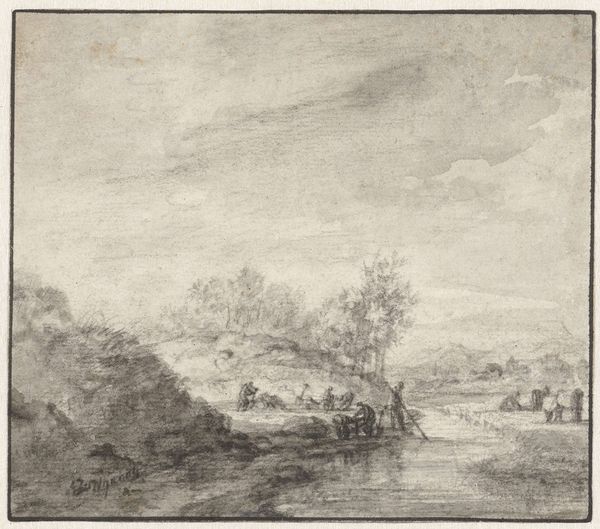
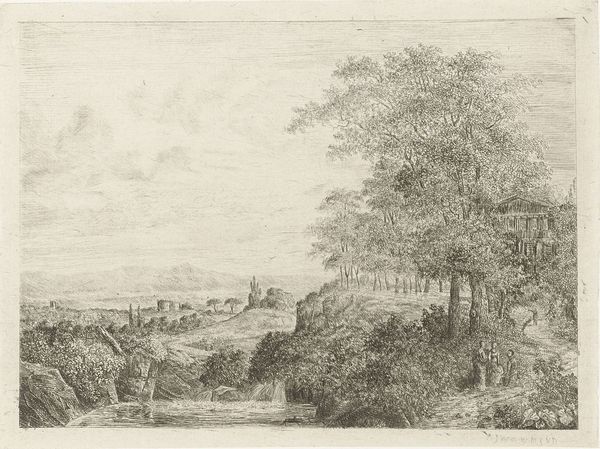
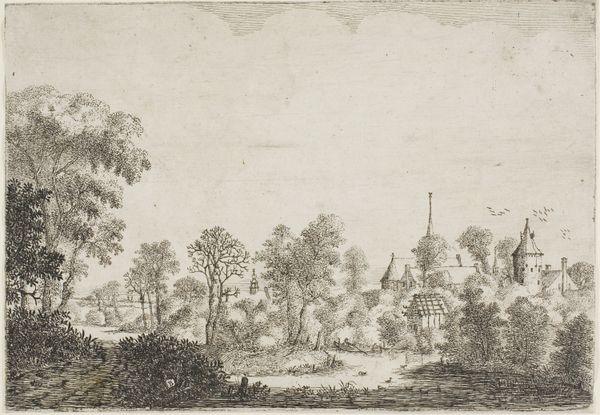
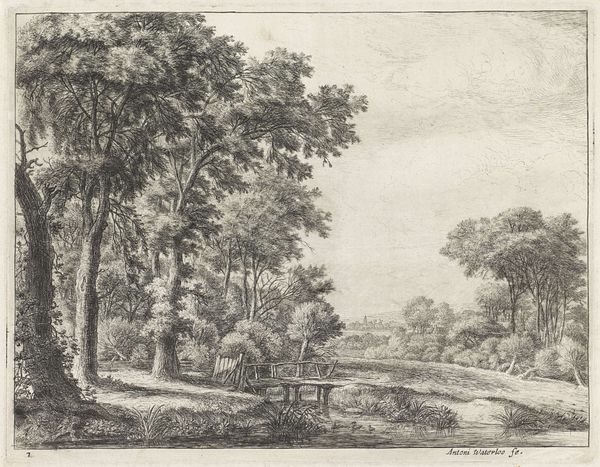
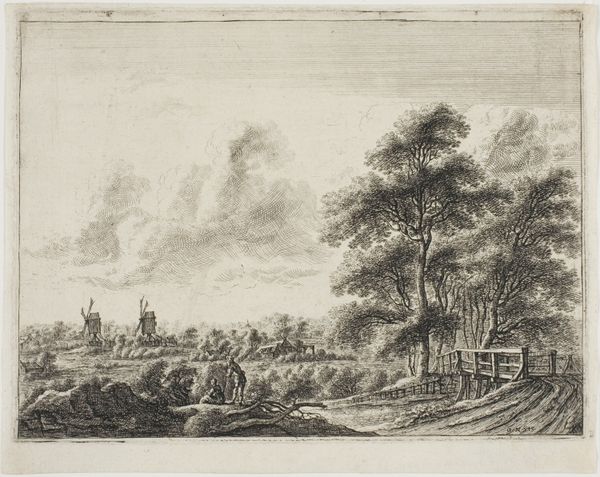
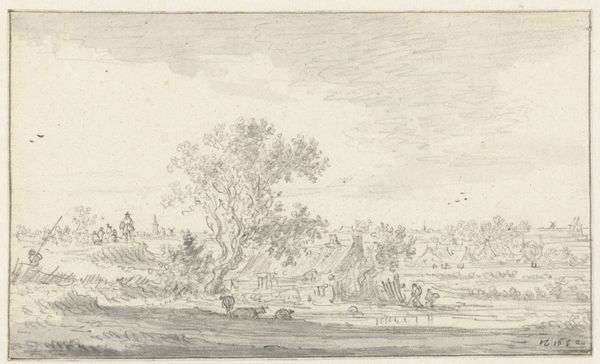
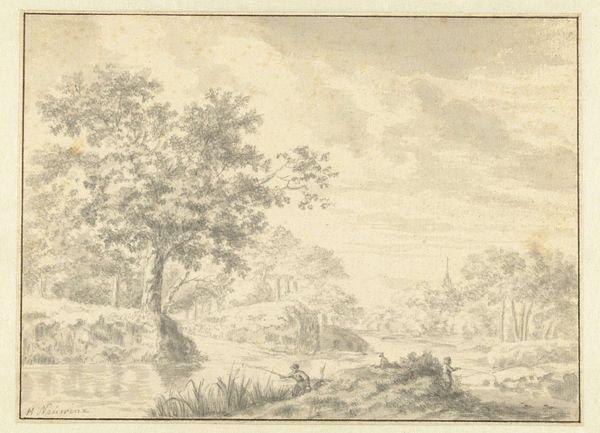
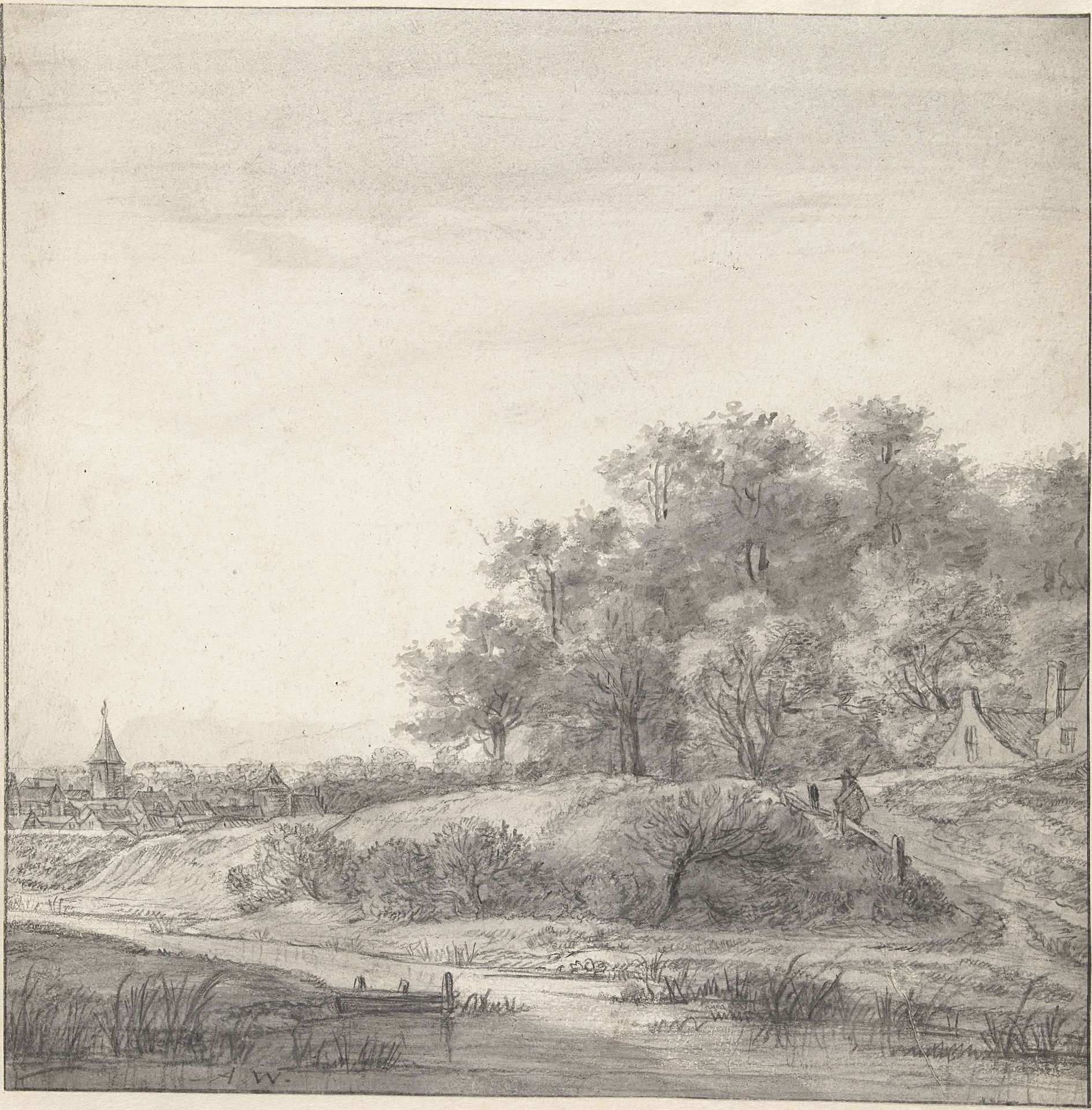
Anthonie Waterloo rendered this landscape with a river in the foreground using pen and brown ink, and grey wash. The washes are applied with real skill, giving depth and form to the copse of trees and the distant buildings. Look closely, and you can see how Waterloo built up the tonality in layers. It’s a technique related to watercolor painting, though here, the shades of grey give the scene a more austere feel. Waterloo was a prolific maker of these landscape drawings, selling them to collectors. As such, the drawing represents a fascinating intersection of art and commerce. The artist’s hand captures the scene, but also serves the demands of the market. This wasn’t a portrait of a specific place, but rather, an idealized version of nature, made efficiently, and made to sell. Considering the materials, the making, and the context allows us to better understand the cultural significance of this seemingly simple landscape.
Landschap met op de voorgrond een rivier
1619 - 1690

Anthonie Waterloo
1610 - 1690Location
RijksmuseumArtwork details
- Medium
- drawing, paper, pencil
- Dimensions
- height 304 mm, width 303 mm
- Location
- Rijksmuseum
- Copyright
- Rijks Museum: Open Domain
Tags
Comments
Share your thoughts
About this artwork
Anthonie Waterloo rendered this landscape with a river in the foreground using pen and brown ink, and grey wash. The washes are applied with real skill, giving depth and form to the copse of trees and the distant buildings. Look closely, and you can see how Waterloo built up the tonality in layers. It’s a technique related to watercolor painting, though here, the shades of grey give the scene a more austere feel. Waterloo was a prolific maker of these landscape drawings, selling them to collectors. As such, the drawing represents a fascinating intersection of art and commerce. The artist’s hand captures the scene, but also serves the demands of the market. This wasn’t a portrait of a specific place, but rather, an idealized version of nature, made efficiently, and made to sell. Considering the materials, the making, and the context allows us to better understand the cultural significance of this seemingly simple landscape.
Comments
Share your thoughts