1830
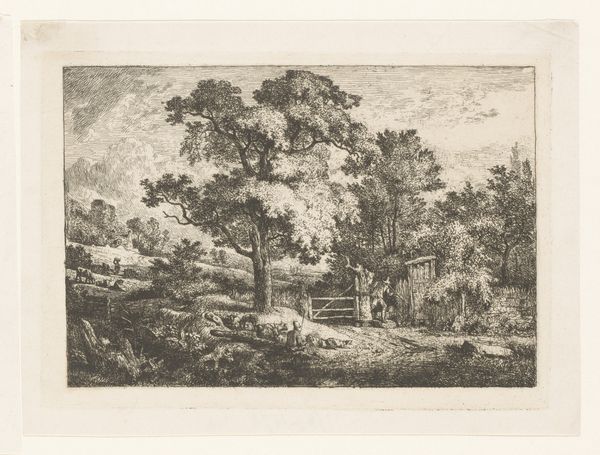
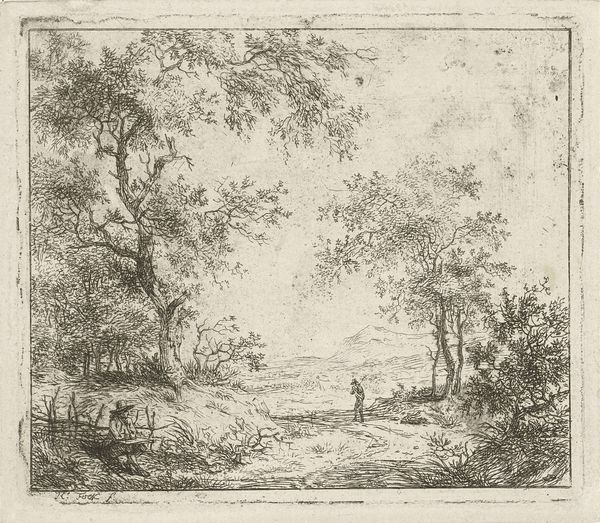
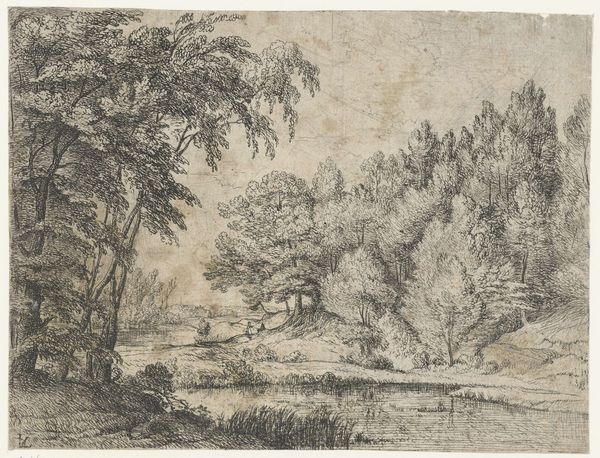
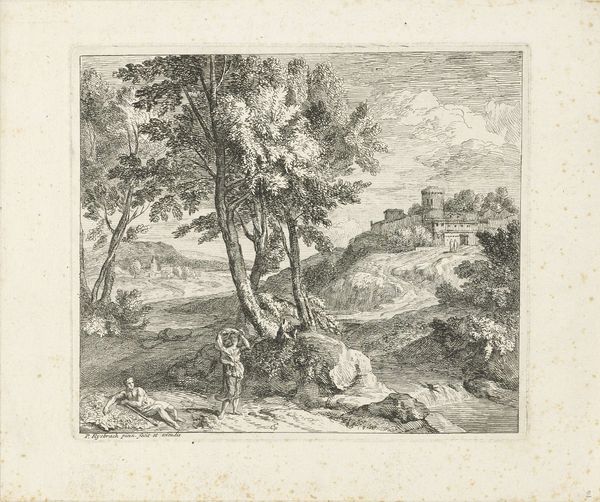
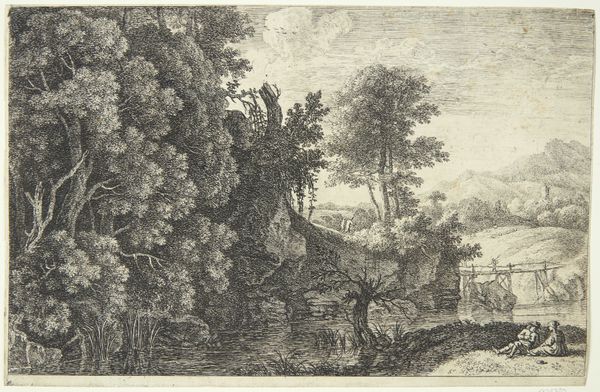
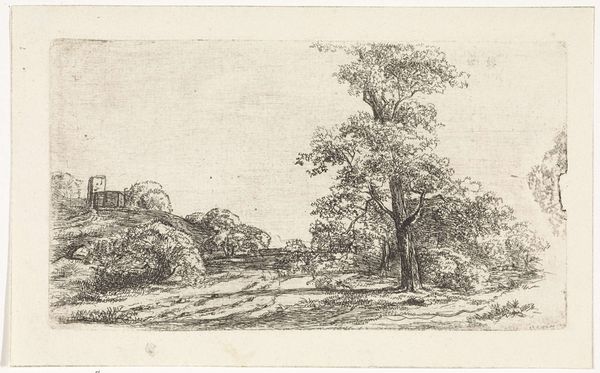
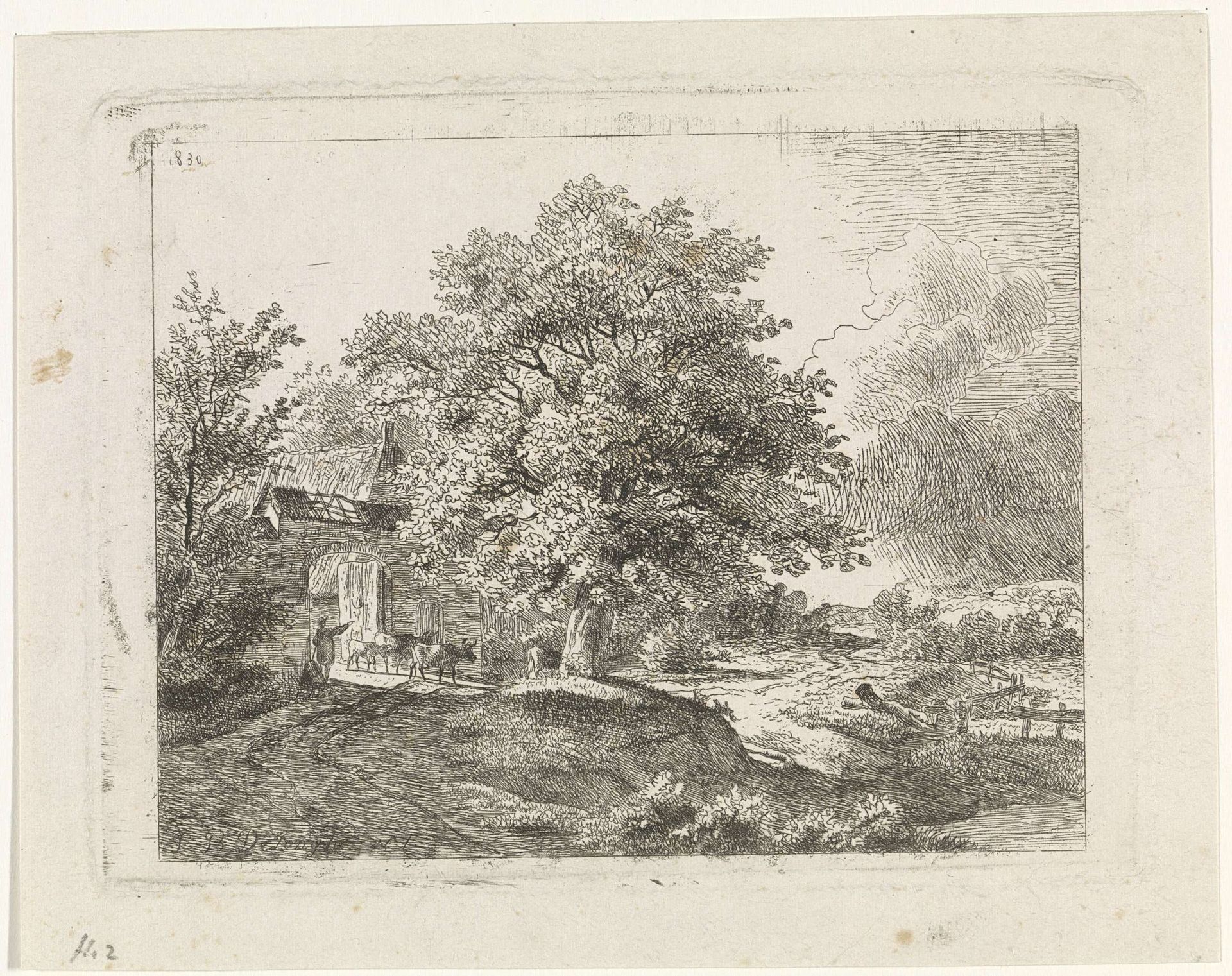
Landschap met herder en vee

Jan Baptiste de Jonghe
1785 - 1844Location
RijksmuseumListen to curator's interpretation
Curatorial notes
Jan Baptiste de Jonghe created this etching titled 'Landschap met herder en vee,' or Landscape with Shepherd and Cattle. The artwork presents a seemingly serene depiction of rural life, but it's important to consider the historical context in which de Jonghe was working. During the 18th and 19th centuries, class divisions were deeply entrenched, and the lives of peasants and rural laborers were often romanticized by the upper classes. De Jonghe’s composition, with its emphasis on idyllic scenery, could be interpreted as a way of glossing over the harsh realities of agricultural labor. The shepherd, for instance, is presented as a peaceful figure, rather than as someone engaged in physically demanding work. What do you think this etching says about how we construct narratives around labor and the working class? How do idealized images impact our understanding of lived realities?