About this artwork
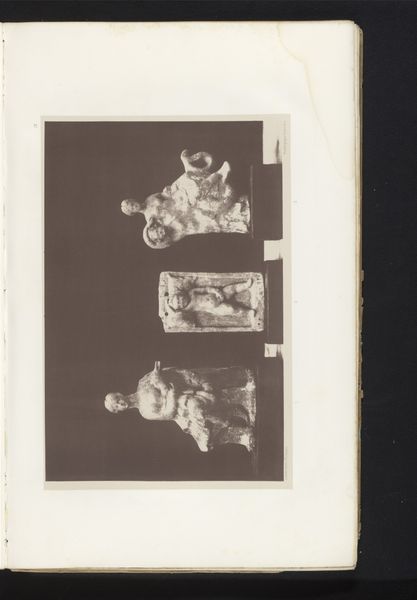
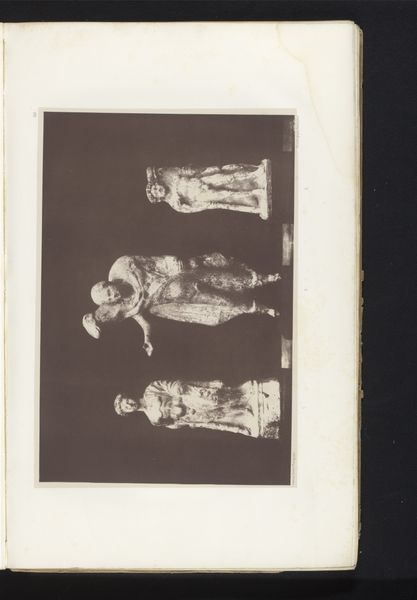
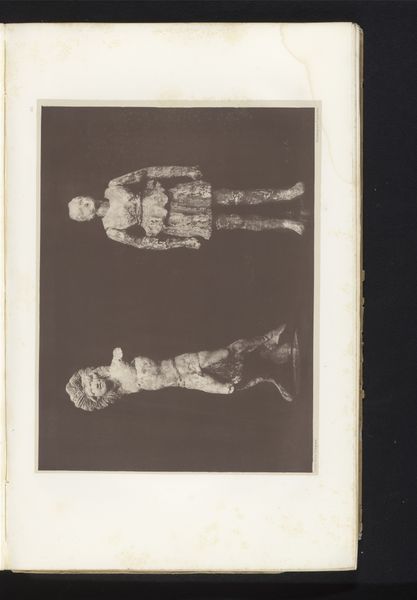
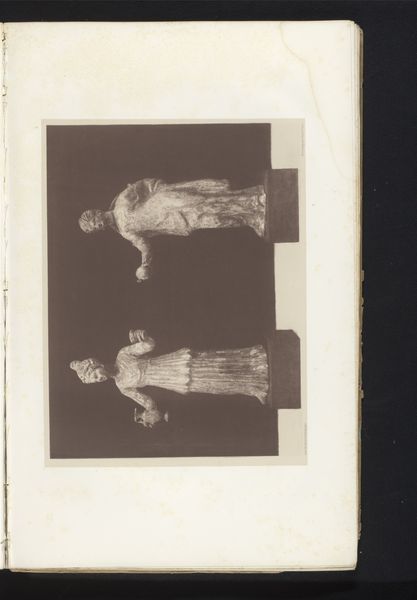
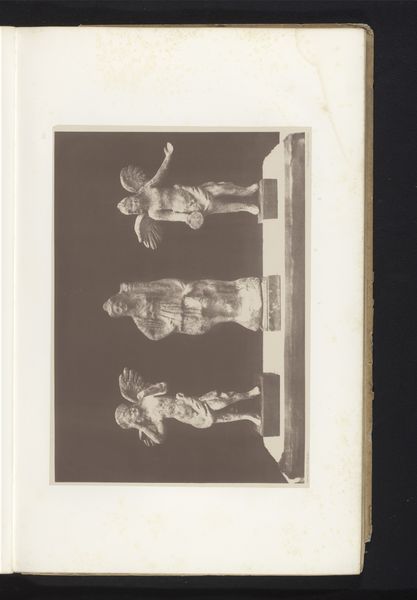
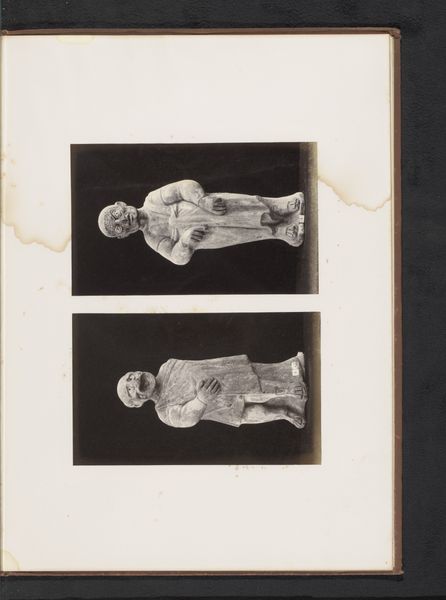
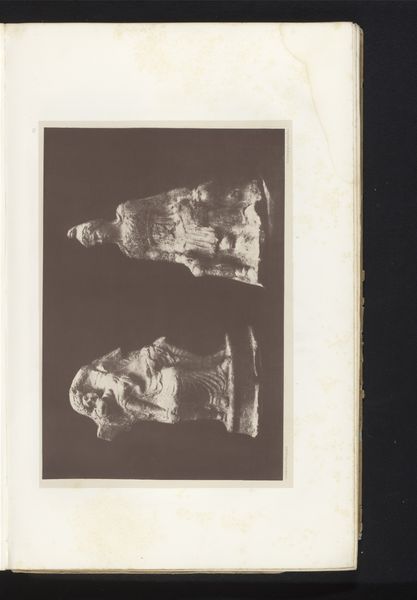
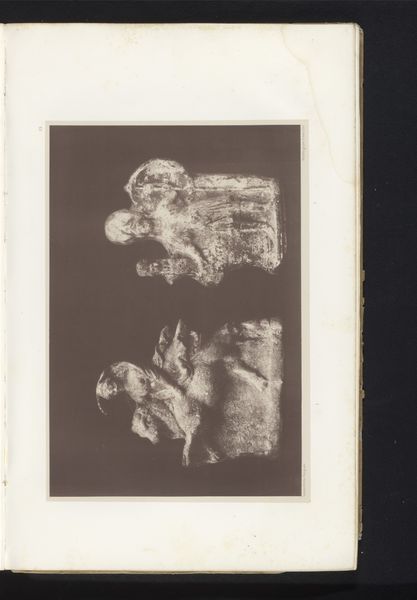
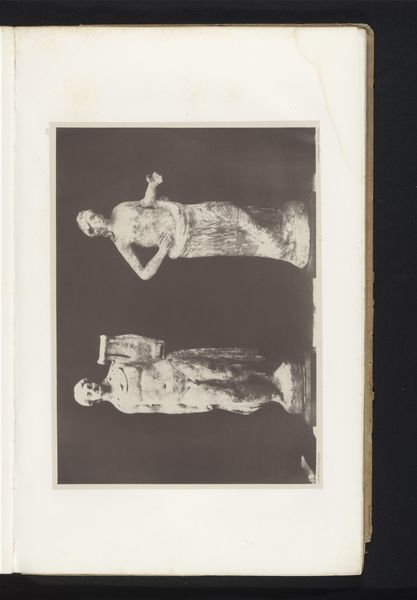
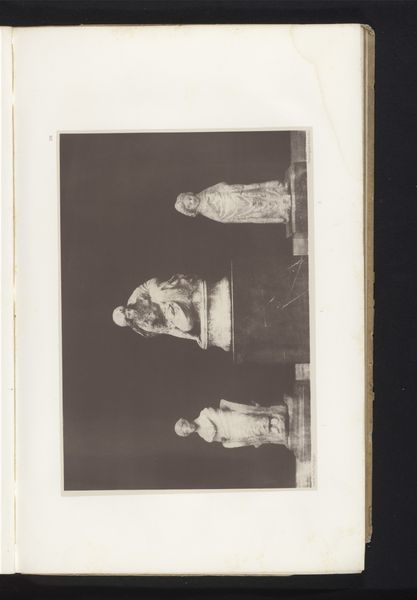
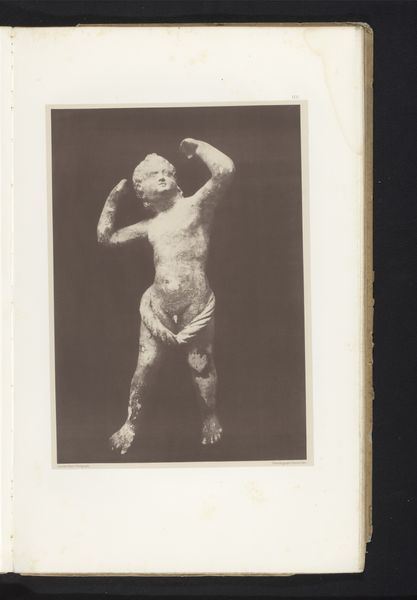
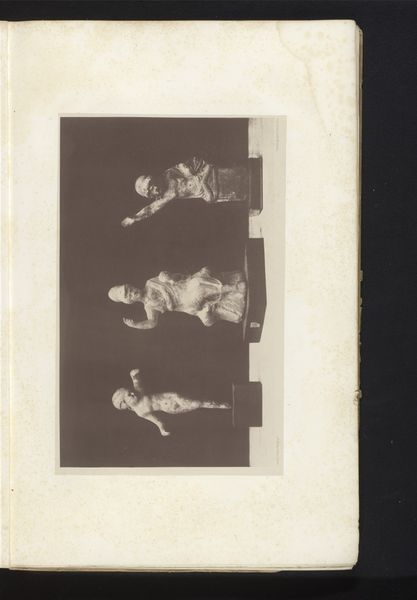
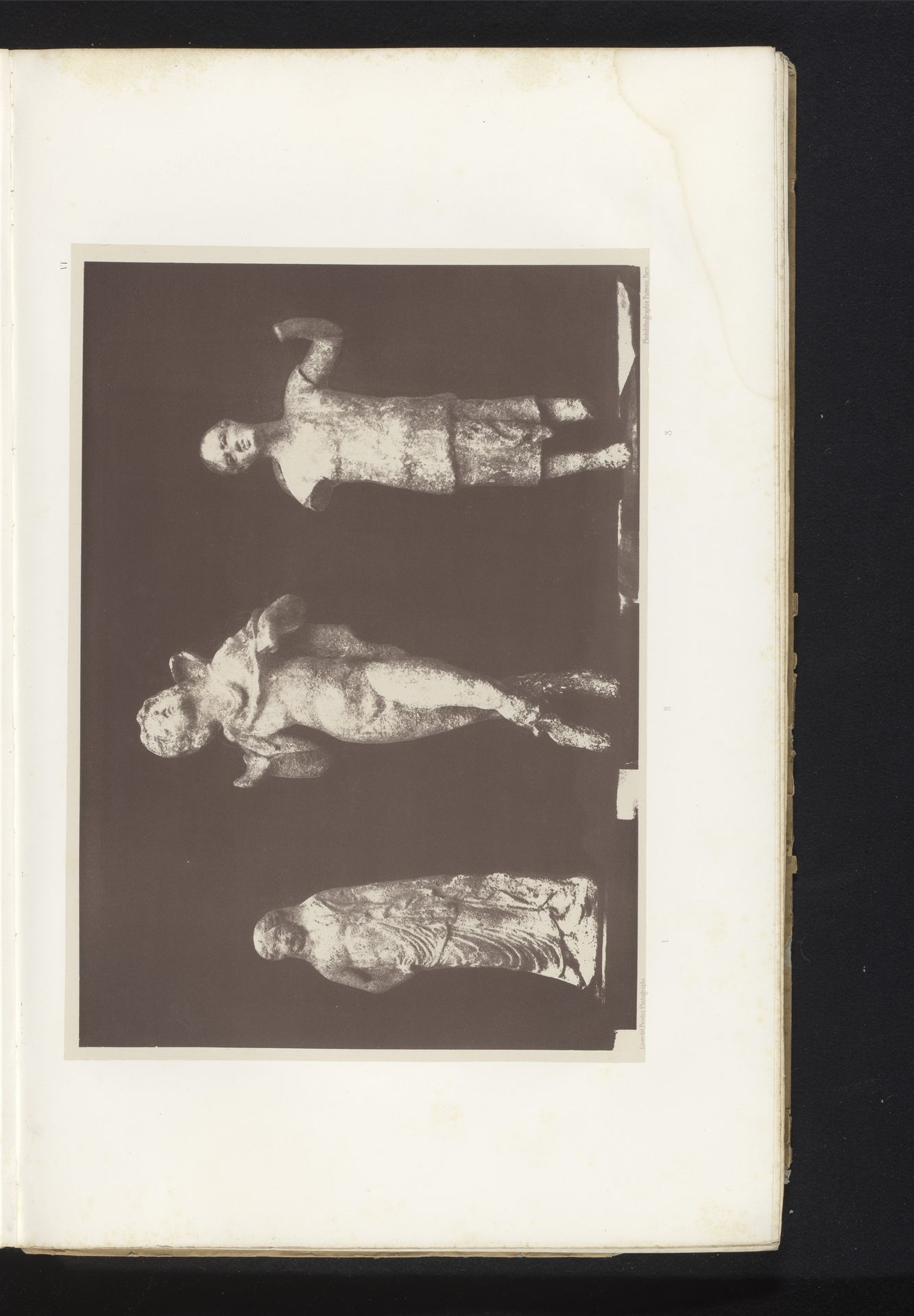
These three terracotta sculptures by Marcel Gustave Laverdet present us with a tableau steeped in classical motifs. Here, we observe a young woman in a double tunic, a playful young satyr, and a contemplative man, each figure embodying potent symbols within the historical and cultural context of classical antiquity. The satyr, a creature of the forest, evokes primal instincts, echoing through the ages in depictions of Pan and other woodland deities. We see variations of these figures even in the Renaissance, where the satyr reappears as a symbol of untamed nature and the subconscious desires of humanity. Consider the bacchantes, often depicted in frenzied revelry. This collective memory resurfaces repeatedly, a testament to our ongoing fascination with the dichotomy between reason and instinct. These figures engage us on a subconscious level, tapping into primal fears and desires that are perpetually in flux, revealing the cyclical and ever-evolving nature of human expression.
Drie terracotta sculpturen van een jonge vrouw in dubbele tuniek, een jonge satyr en een man
before 1857

Artwork details
- Medium
- carving, bronze, photography, sculpture
- Dimensions
- height 254 mm, width 359 mm
- Copyright
- Rijks Museum: Open Domain
Tags
Comments
Share your thoughts
About this artwork
These three terracotta sculptures by Marcel Gustave Laverdet present us with a tableau steeped in classical motifs. Here, we observe a young woman in a double tunic, a playful young satyr, and a contemplative man, each figure embodying potent symbols within the historical and cultural context of classical antiquity. The satyr, a creature of the forest, evokes primal instincts, echoing through the ages in depictions of Pan and other woodland deities. We see variations of these figures even in the Renaissance, where the satyr reappears as a symbol of untamed nature and the subconscious desires of humanity. Consider the bacchantes, often depicted in frenzied revelry. This collective memory resurfaces repeatedly, a testament to our ongoing fascination with the dichotomy between reason and instinct. These figures engage us on a subconscious level, tapping into primal fears and desires that are perpetually in flux, revealing the cyclical and ever-evolving nature of human expression.
Comments
Share your thoughts