1785
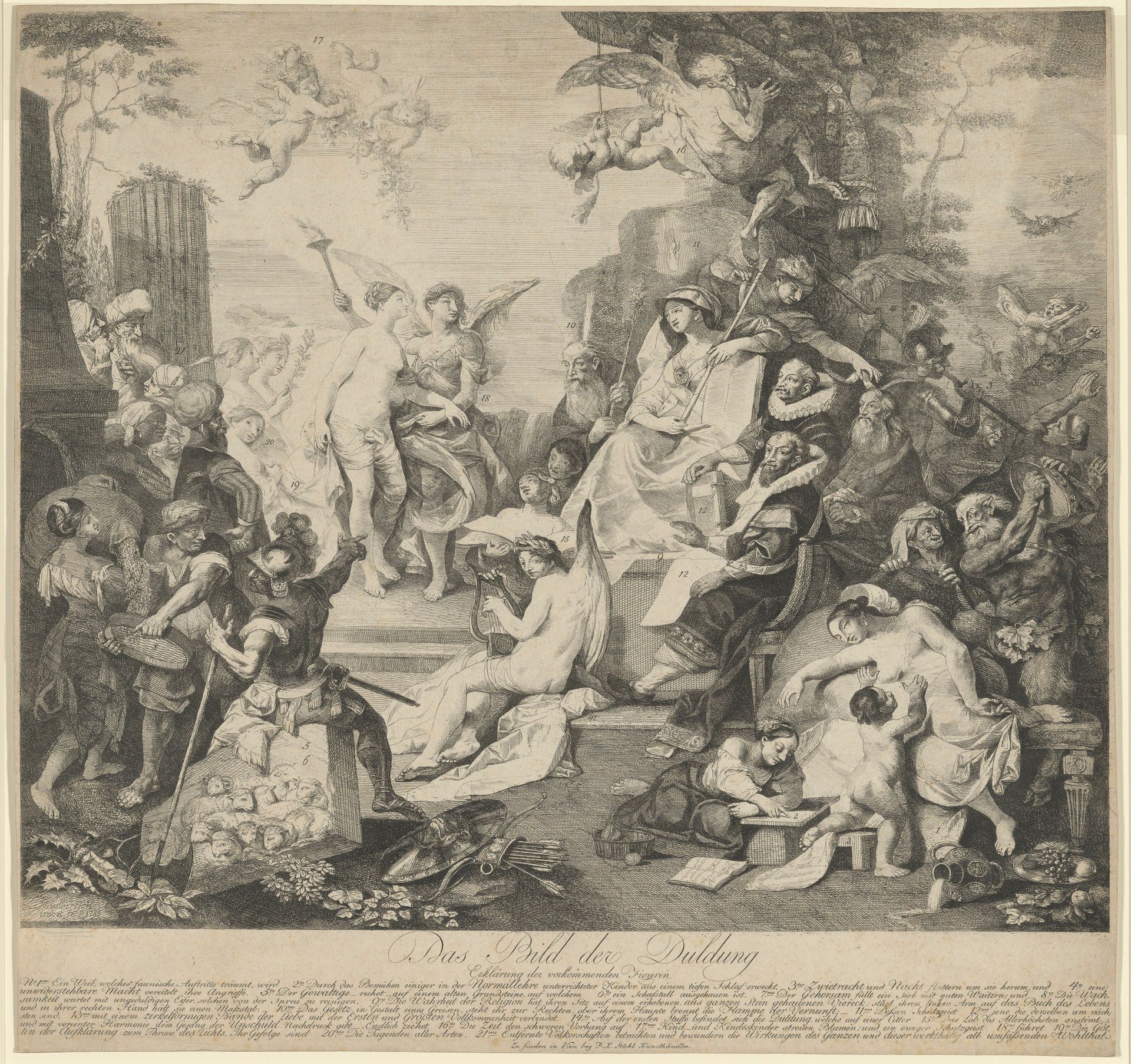
Das Bild der Düldung (Allegory of Tolerance)


Listen to curator's interpretation
Curatorial notes
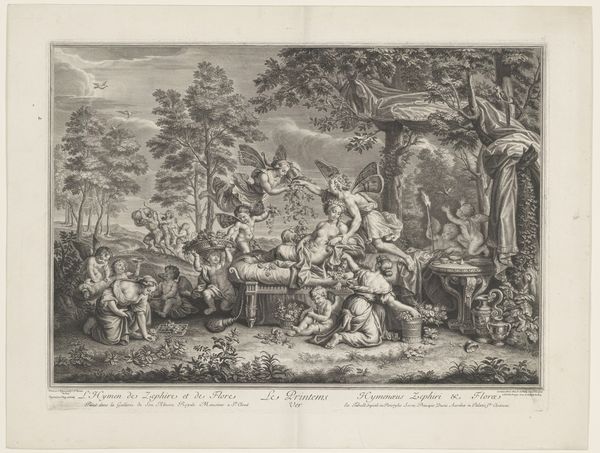
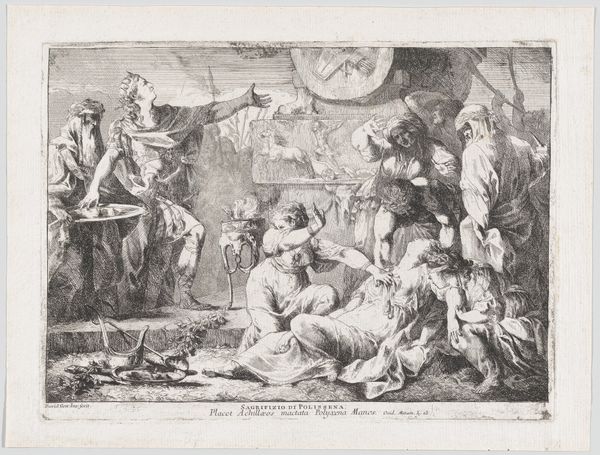
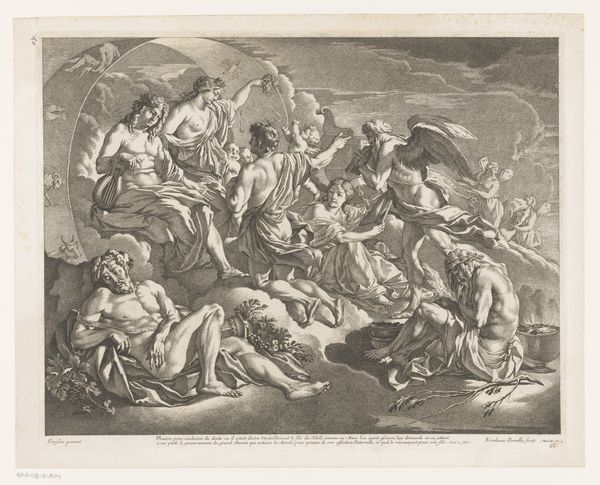
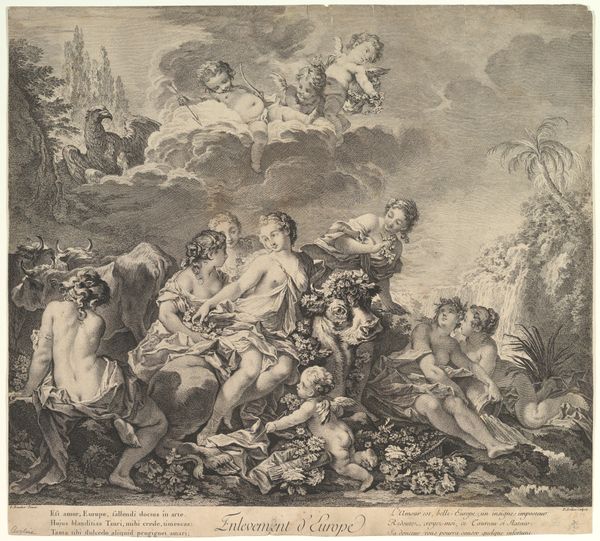
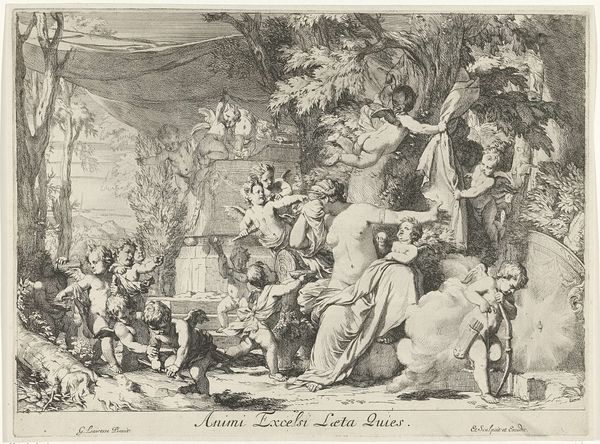
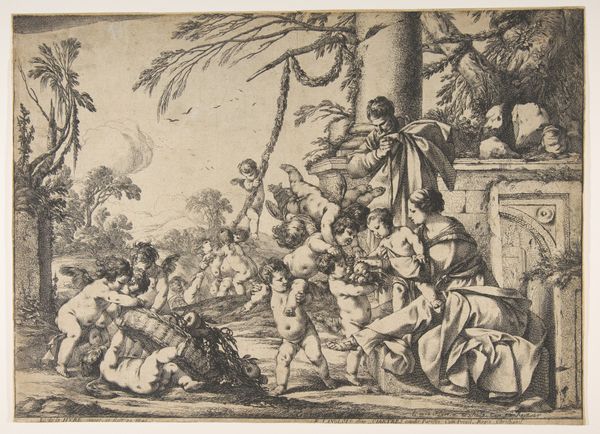
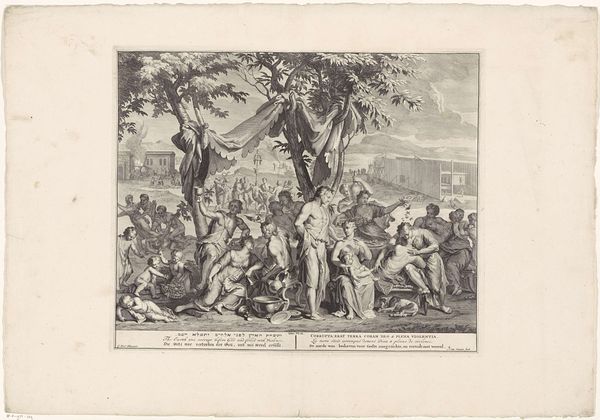
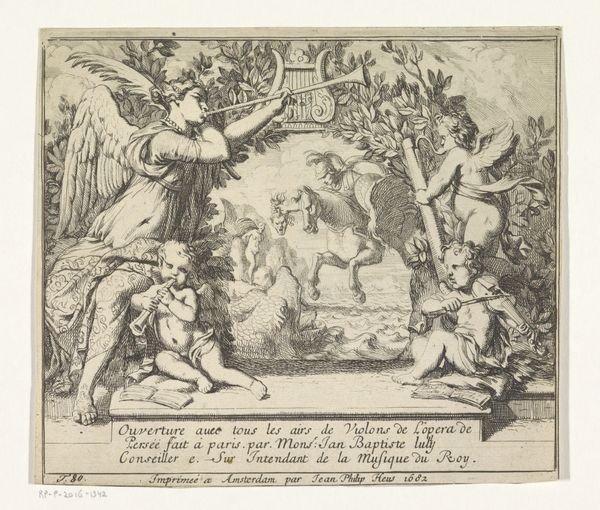
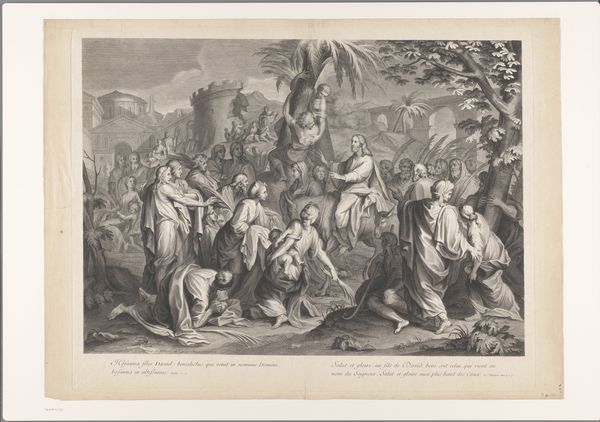
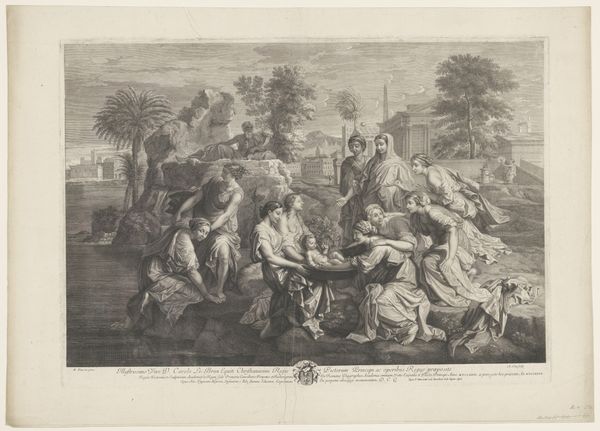
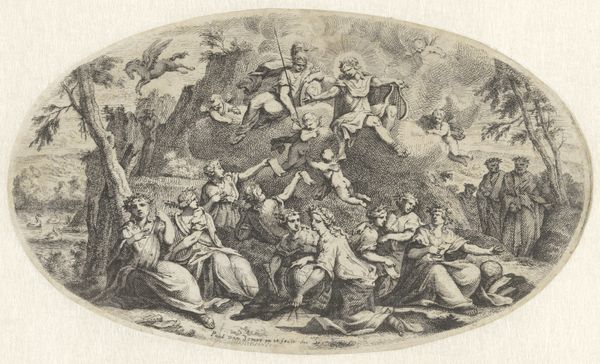
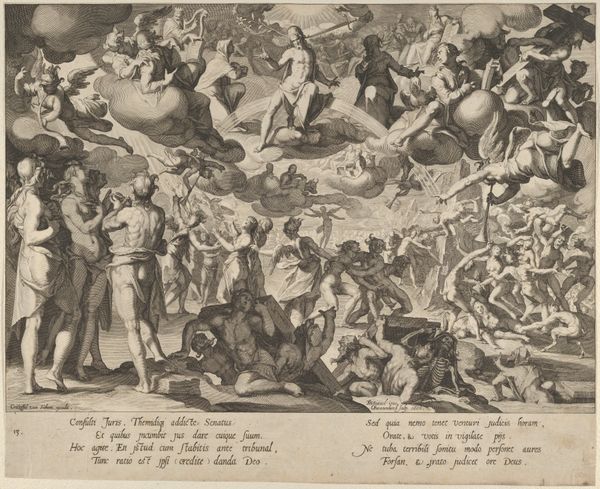
This print, made by Franz Anton Maulbertsch in the 18th century, uses etching, a method of printmaking. The artist covers a metal plate with a waxy ground, and then draws into it with a sharp needle. Acid is then applied, biting into the exposed metal lines, which are then inked and printed. Look closely, and you’ll notice the qualities of the etched line – delicate, precise, yet capable of describing a wide range of textures. This technique wasn’t just about replicating an image. It was a medium in its own right, lending itself to a graphic style, which suited the quick communication of ideas in the Enlightenment. In Maulbertsch’s time, printmaking was essential for disseminating ideas and artworks across Europe. It helped the development of a shared visual language. But the handcraft skill involved in etching also gave each print a unique character, an intimacy that belies its role in mass communication. The very materiality of the medium—the plate, the acid, the ink—became integral to the artwork's meaning.