1730
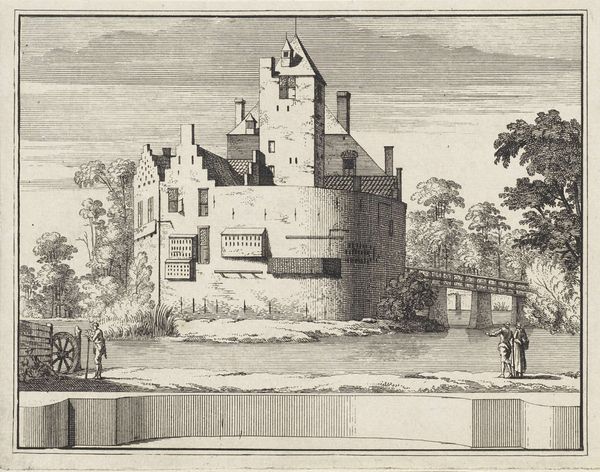
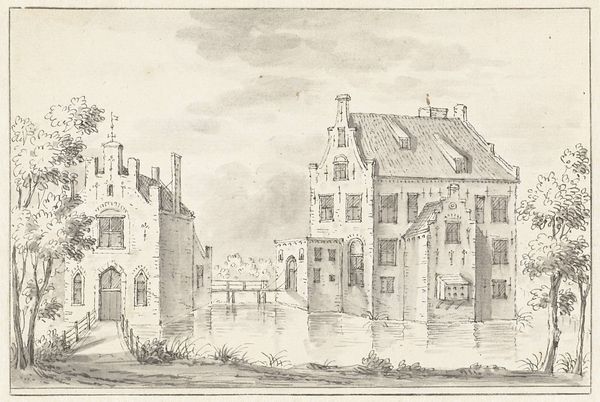
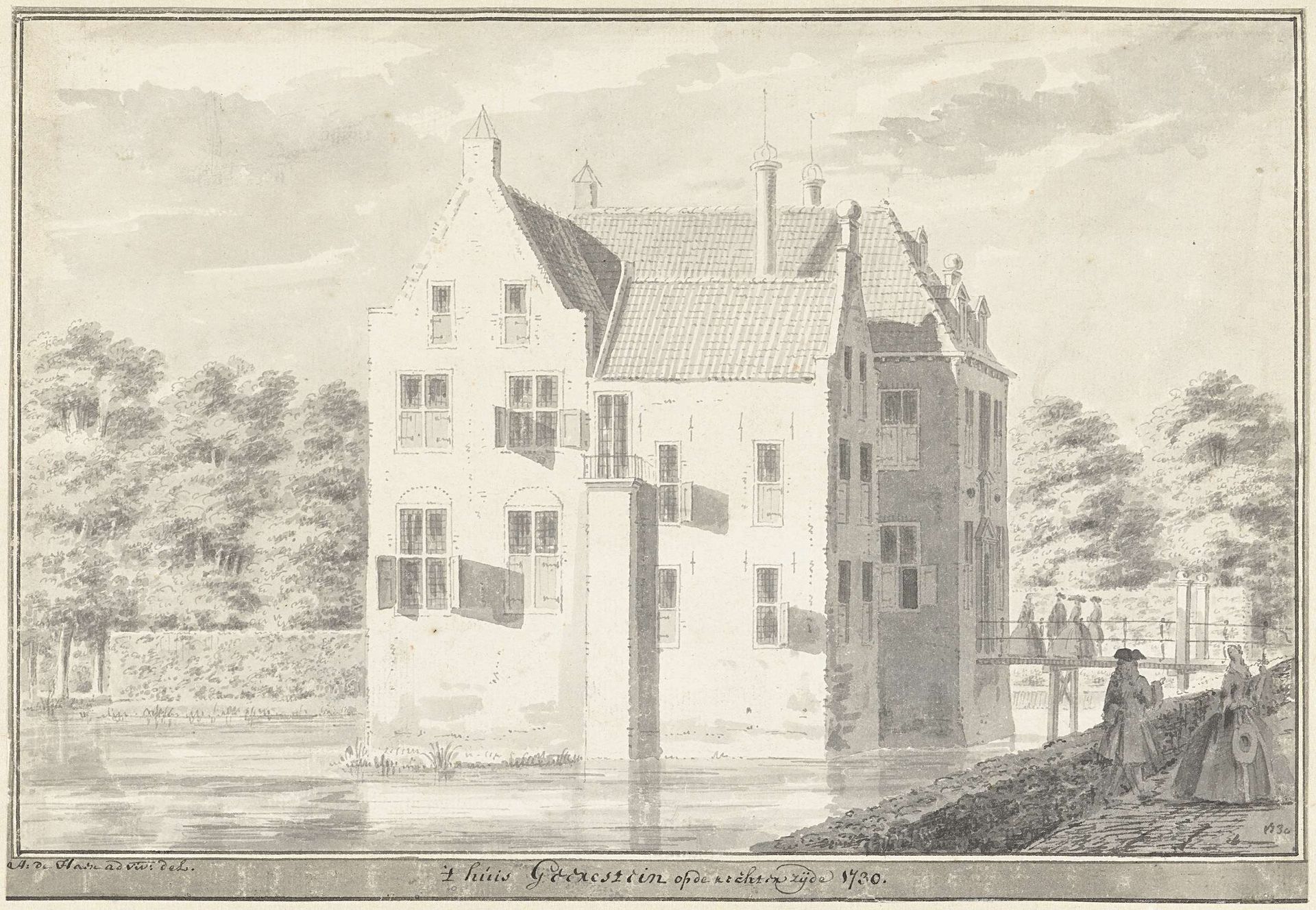
Het kasteel Geerestein

Abraham de (II) Haen
1707 - 1748Location
RijksmuseumListen to curator's interpretation
Curatorial notes
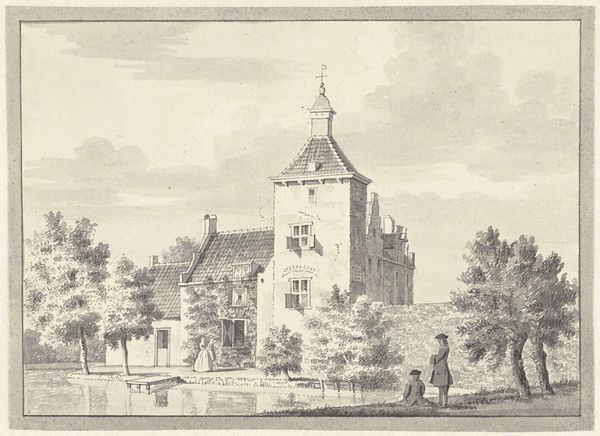
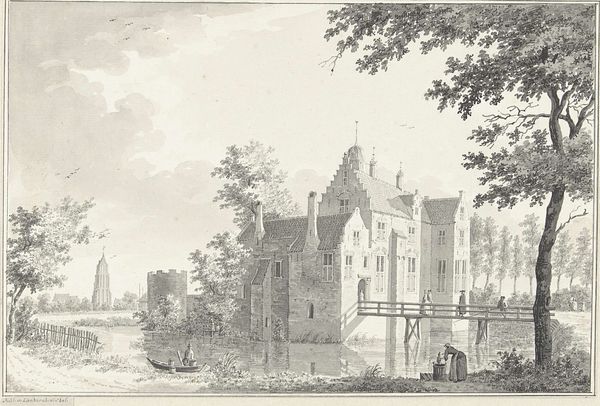
Abraham de Haen the second made this drawing of Geerestein Castle with pen and grey ink, around 1730. At this time, the Dutch Republic was a leading force in trade and cartography, and topographical drawings such as this were made as records or even promotional images of particular places. This image presents a specific view of the castle in its landscape and tells us much about the social and cultural values of the time. It shows a castle surrounded by water, accessible by a bridge where elegantly dressed people can be seen. In the 18th century, country estates became popular status symbols for the wealthy merchant class. These estates signified a life of leisure and cultivation, reflecting the owner’s taste and social standing. Art historians often use estate records, architectural plans, and social histories to investigate the cultural meanings of such images. This drawing isn’t just a picture of a building; it’s a window into the aspirations and values of a society.