
Curatorial notes
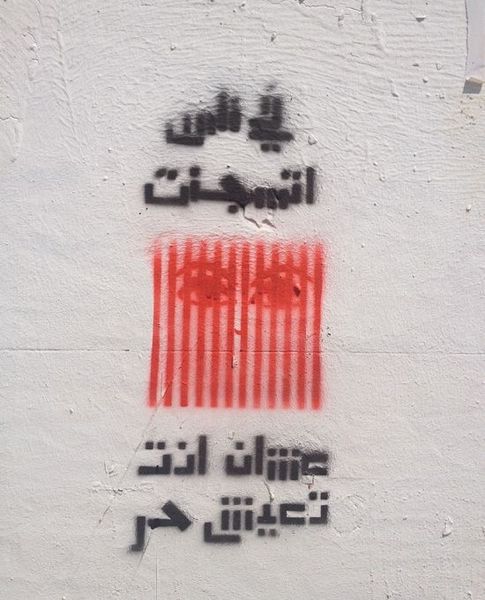
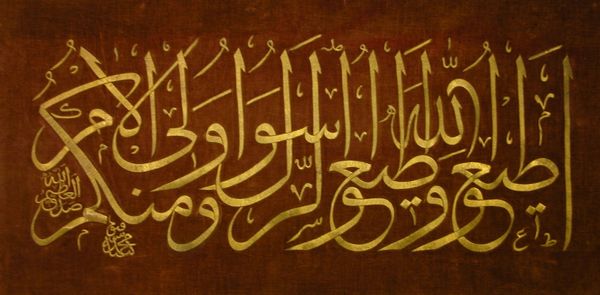
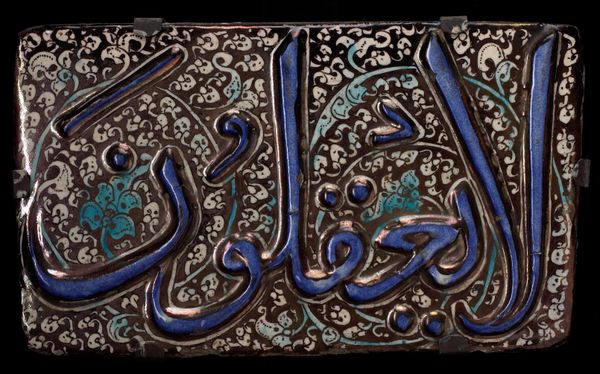
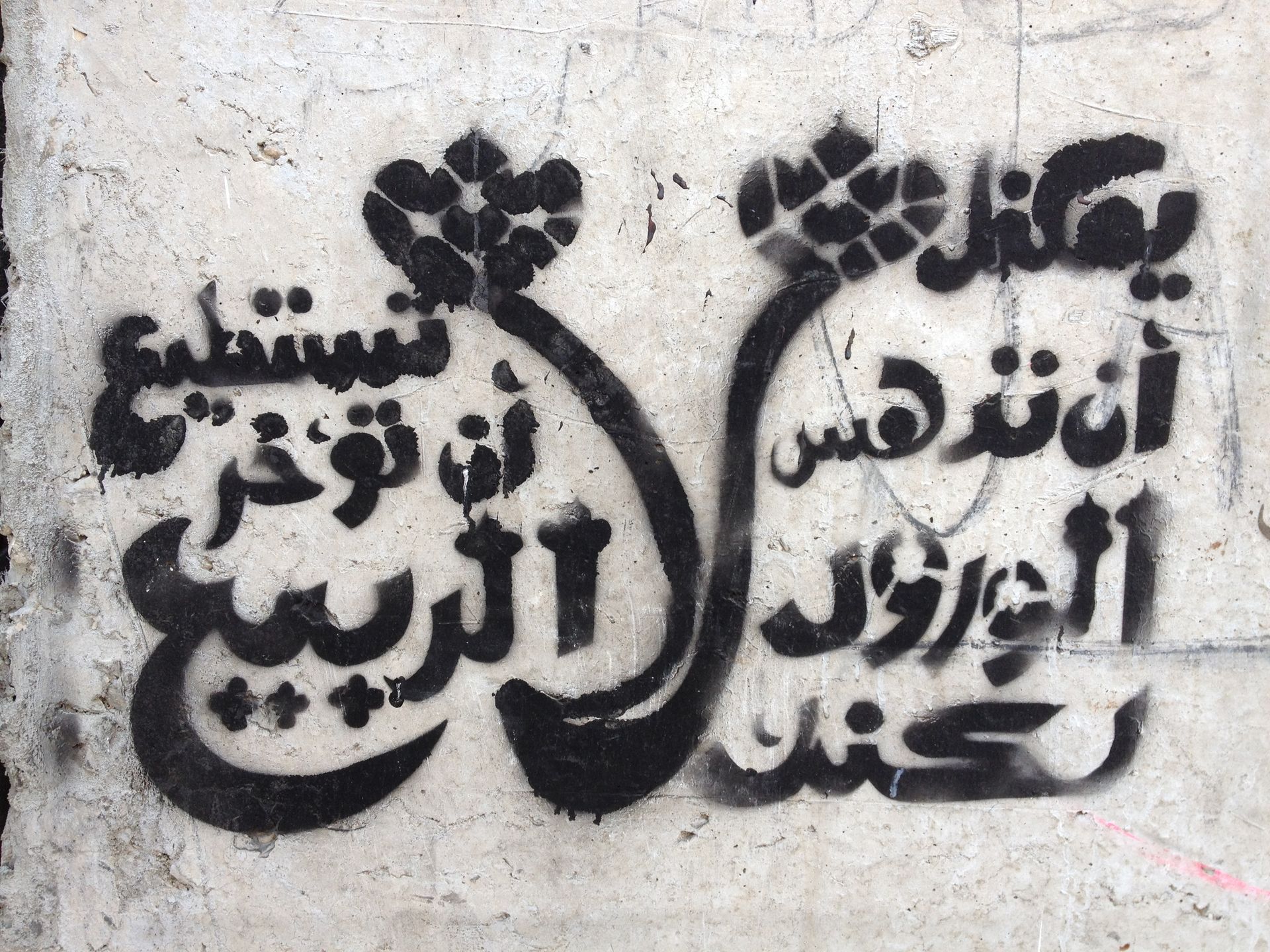
Curator: Here we have Bahia Shehab's "A Thousand Times NO," created in 2011. Shehab is an Egyptian artist, designer, and scholar whose work focuses on Islamic calligraphy and visual culture, often exploring themes of identity, resistance, and social justice. This piece utilizes stencil and acrylic paint. Editor: It jumps right out at you, doesn't it? Stark, bold, almost aggressive in its visual presence. The black against that roughly textured off-white... It feels like a statement slapped onto a wall in the heat of the moment, you know? Urgent. Curator: Exactly. The use of typography here isn't just decorative. Shehab reclaims and repurposes Arabic script as a powerful form of visual activism. "A Thousand Times NO" draws on a historical archive of "no" variations in Arabic calligraphy. Each design becomes a potent symbol against oppression and injustice. Editor: The visual weight of the word itself—the curves, the sharp angles—it practically shouts. But also, look closely at the wall beneath the text. The scuffs and cracks become part of the story. Is this about the permanence of protest, or how easily it can be erased? Curator: It’s fascinating how Shehab layers those ideas. This was created in response to the Arab Spring uprisings. So, the art is deeply enmeshed with contemporary politics and social movements, a powerful reminder of the ongoing struggle for change. The context really underlines the power and relevance of this piece. Editor: It is about reminding us that no single act or protest guarantees liberation, it's iterative and cumulative. "A Thousand Times NO" isn't just a clever title; it's the very essence of revolution—persistent refusal. That's stuck with me. Curator: I appreciate how you've connected Shehab's method to wider narratives of protest. Ultimately, this stencil challenges viewers to critically engage with the visual language of resistance and reflects on the many iterations of negation that fuel it. Editor: And for me, it's that immediate punch-in-the-gut feeling—that raw, untamed energy captured so cleverly in simple black paint and eloquent lettering. I’ll never look at street art the same way again.