About this artwork
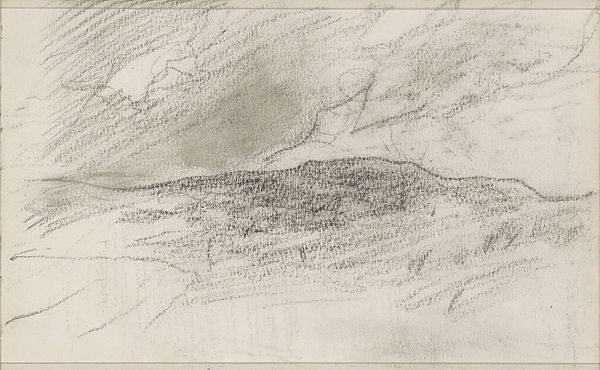
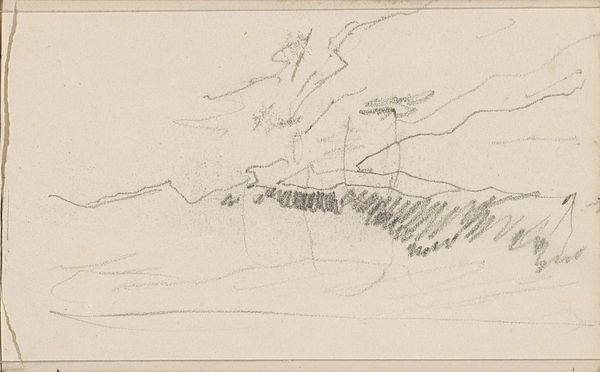
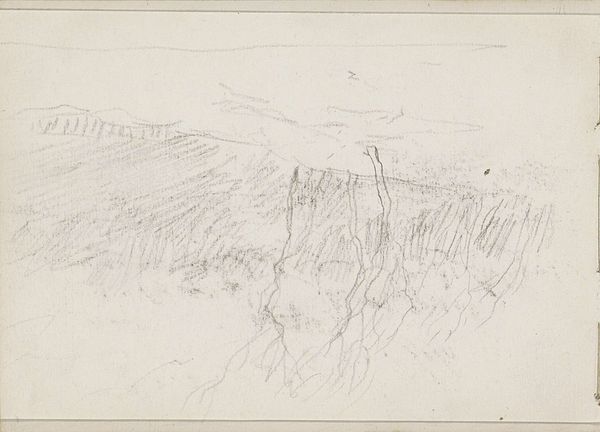
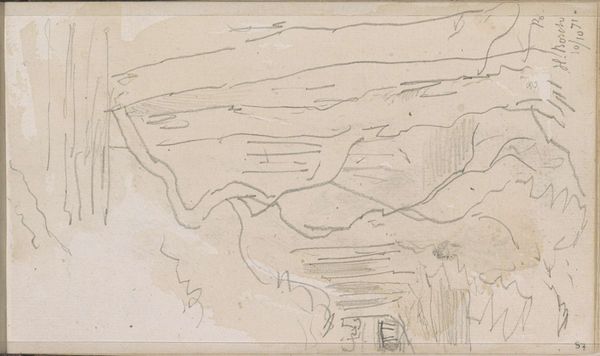
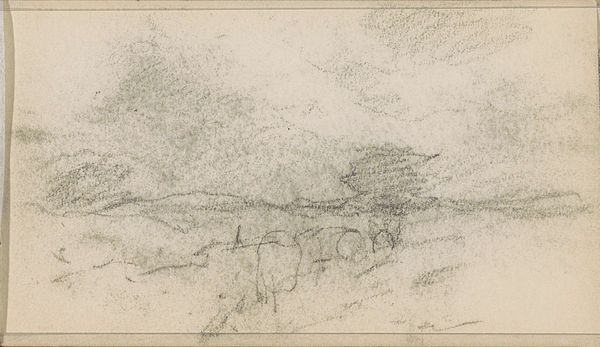
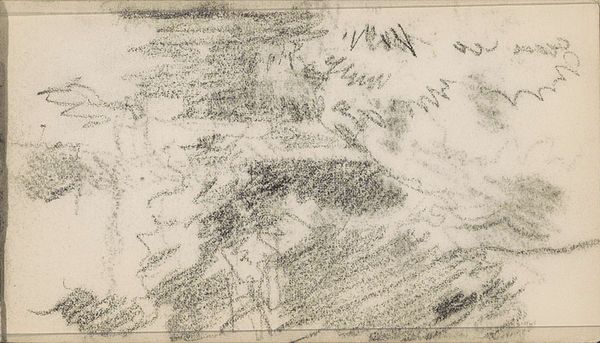
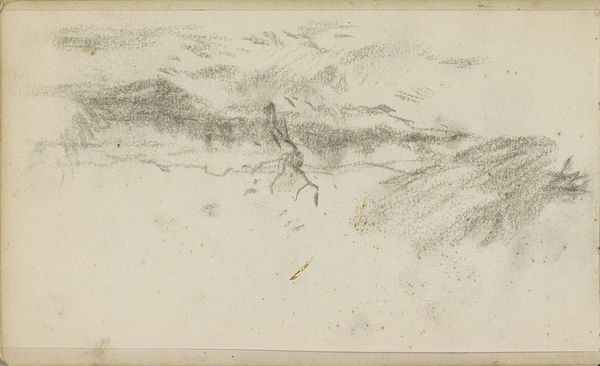
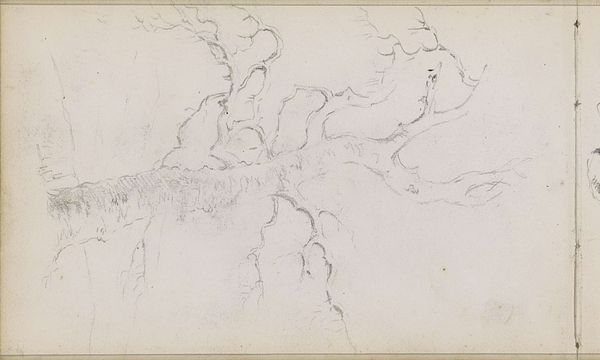
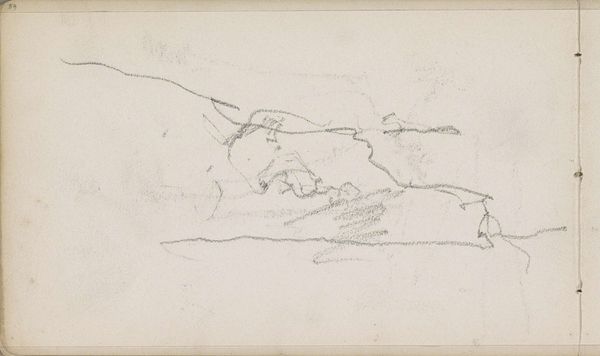
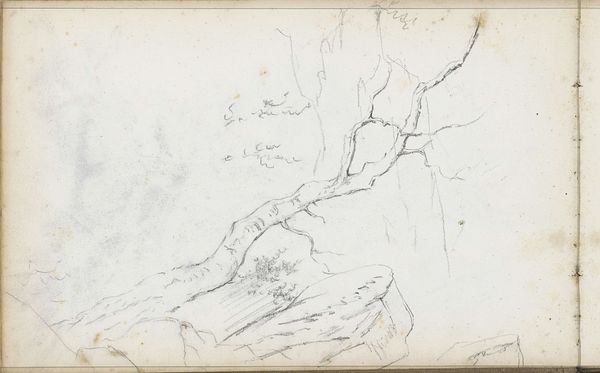
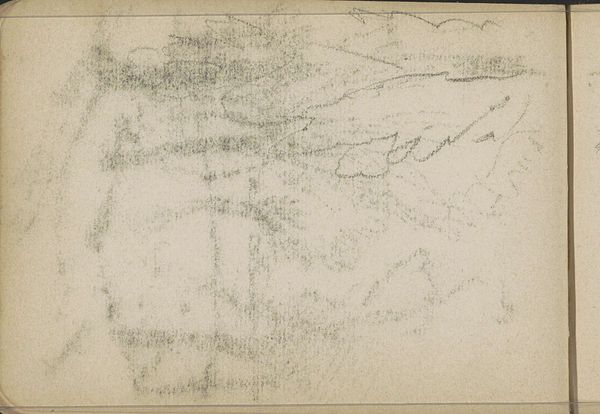
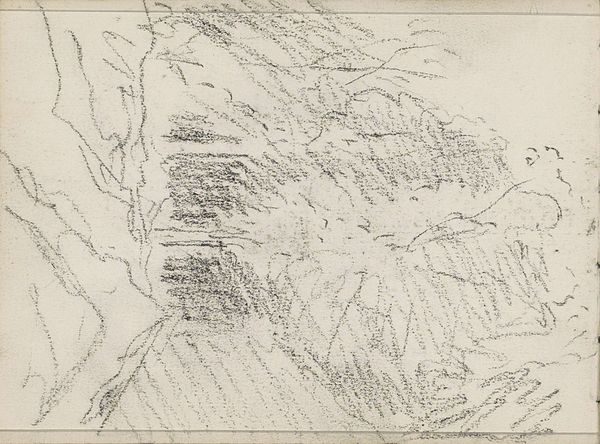
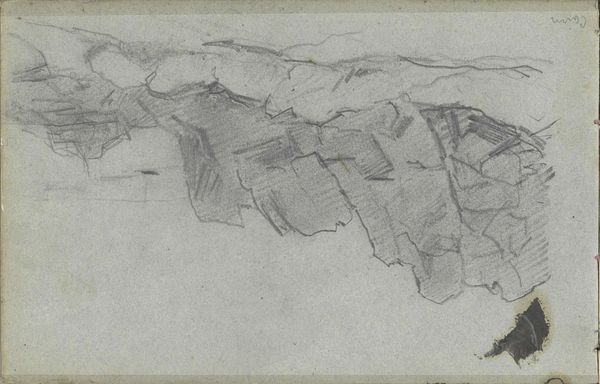
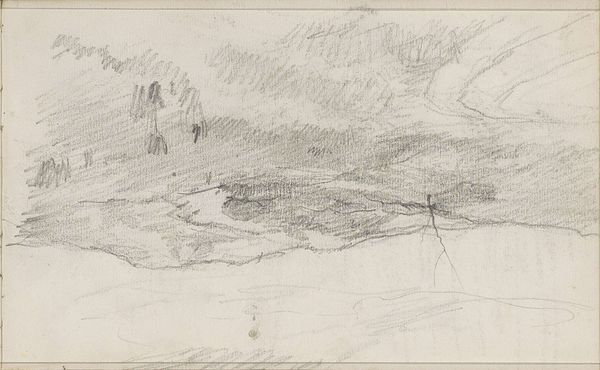
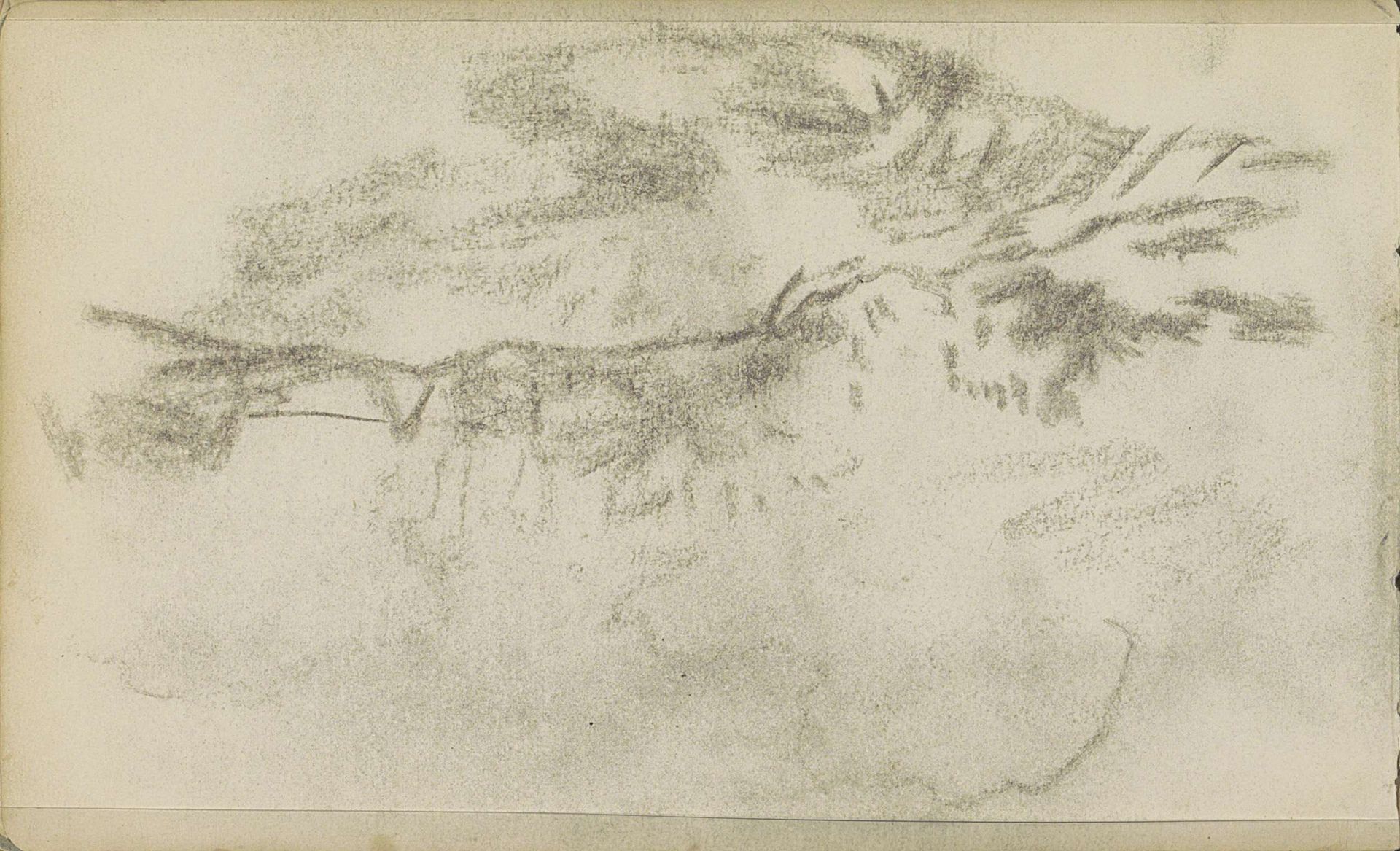
Jozef Israëls created this landscape with shrubs using graphite. Israëls, who lived from 1824 to 1911, emerged during a time of significant social and political change in Europe. Known for his sympathetic depictions of the working class and rural life, he, like many artists of his time, engaged with themes of identity, labor, and the human condition. What sets Israëls apart is the way he imbued his works with an emotional depth that resonated with the growing sense of social consciousness. Israëls came to be seen as a father figure, not just for Jewish artists, but for anyone interested in capturing genuine emotion in art. In this landscape, we find a quiet, contemplative scene. The simplicity of the graphite medium enhances the sense of intimacy, inviting us to consider the quiet dignity of the landscape and, by extension, the lives connected to it. It reflects a broader cultural interest in authenticity and the value of ordinary life.

Artwork details
- Medium
- drawing, pencil
- Location
- Rijksmuseum
- Copyright
- Rijks Museum: Open Domain
Tags
pencil drawn
drawing
impressionism
landscape
pencil
realism
Comments
Be the first to share your thoughts about this work.
About this artwork
Jozef Israëls created this landscape with shrubs using graphite. Israëls, who lived from 1824 to 1911, emerged during a time of significant social and political change in Europe. Known for his sympathetic depictions of the working class and rural life, he, like many artists of his time, engaged with themes of identity, labor, and the human condition. What sets Israëls apart is the way he imbued his works with an emotional depth that resonated with the growing sense of social consciousness. Israëls came to be seen as a father figure, not just for Jewish artists, but for anyone interested in capturing genuine emotion in art. In this landscape, we find a quiet, contemplative scene. The simplicity of the graphite medium enhances the sense of intimacy, inviting us to consider the quiet dignity of the landscape and, by extension, the lives connected to it. It reflects a broader cultural interest in authenticity and the value of ordinary life.
Comments
Be the first to share your thoughts about this work.