About this artwork
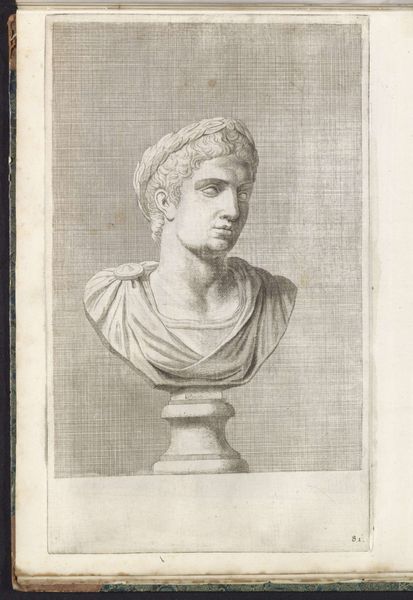
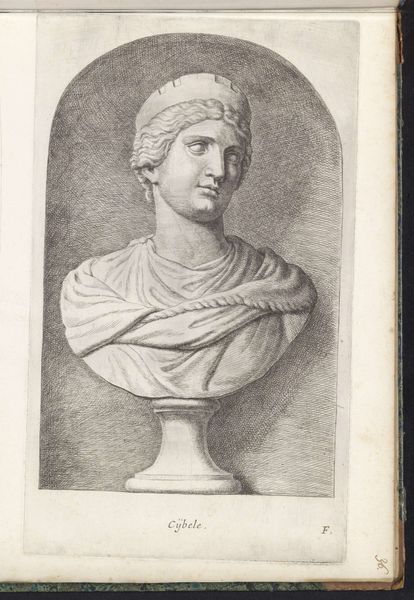
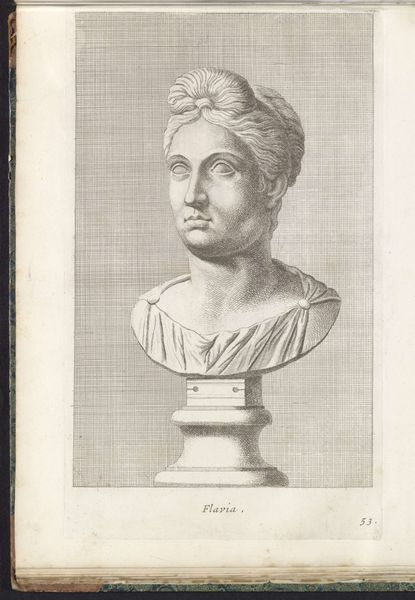
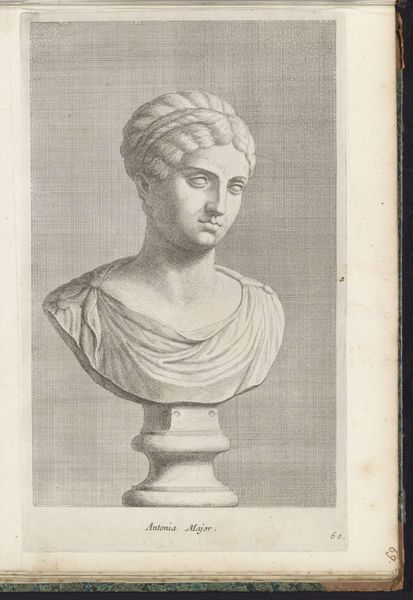
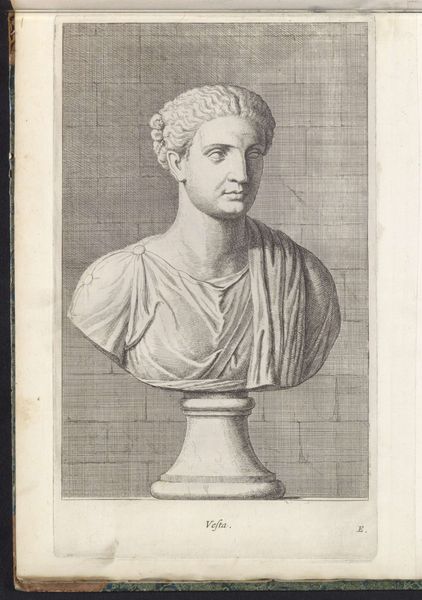
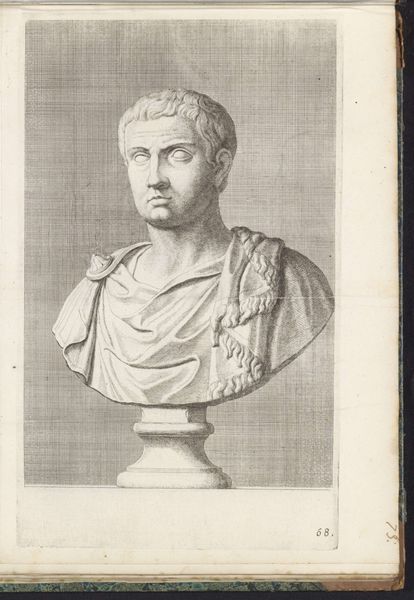
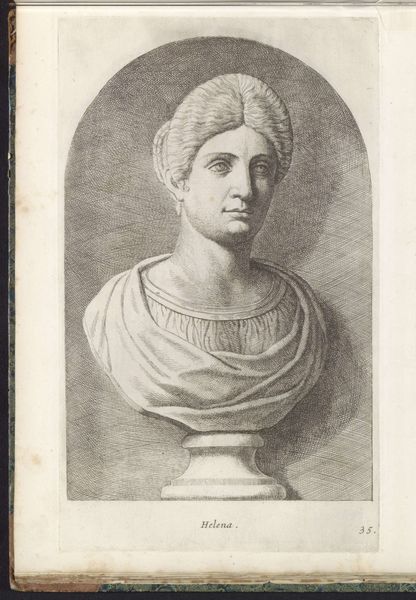
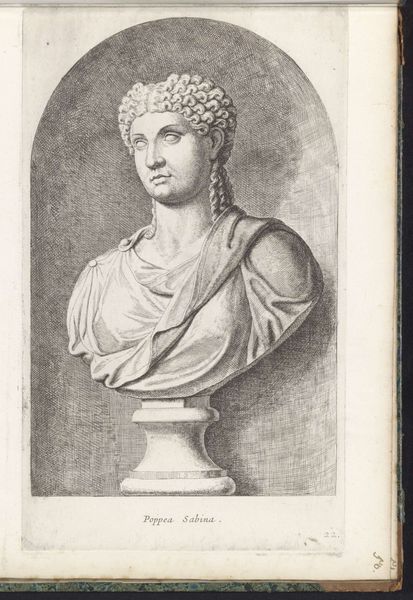
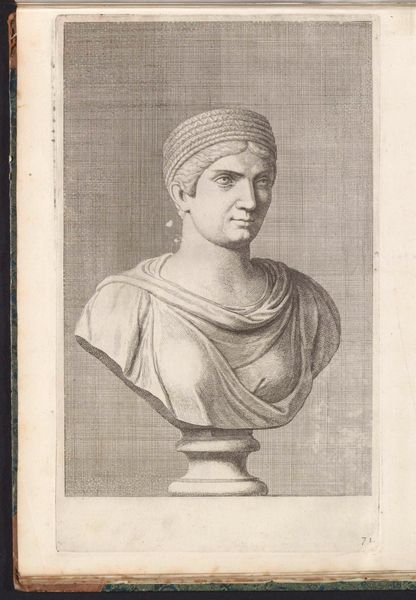
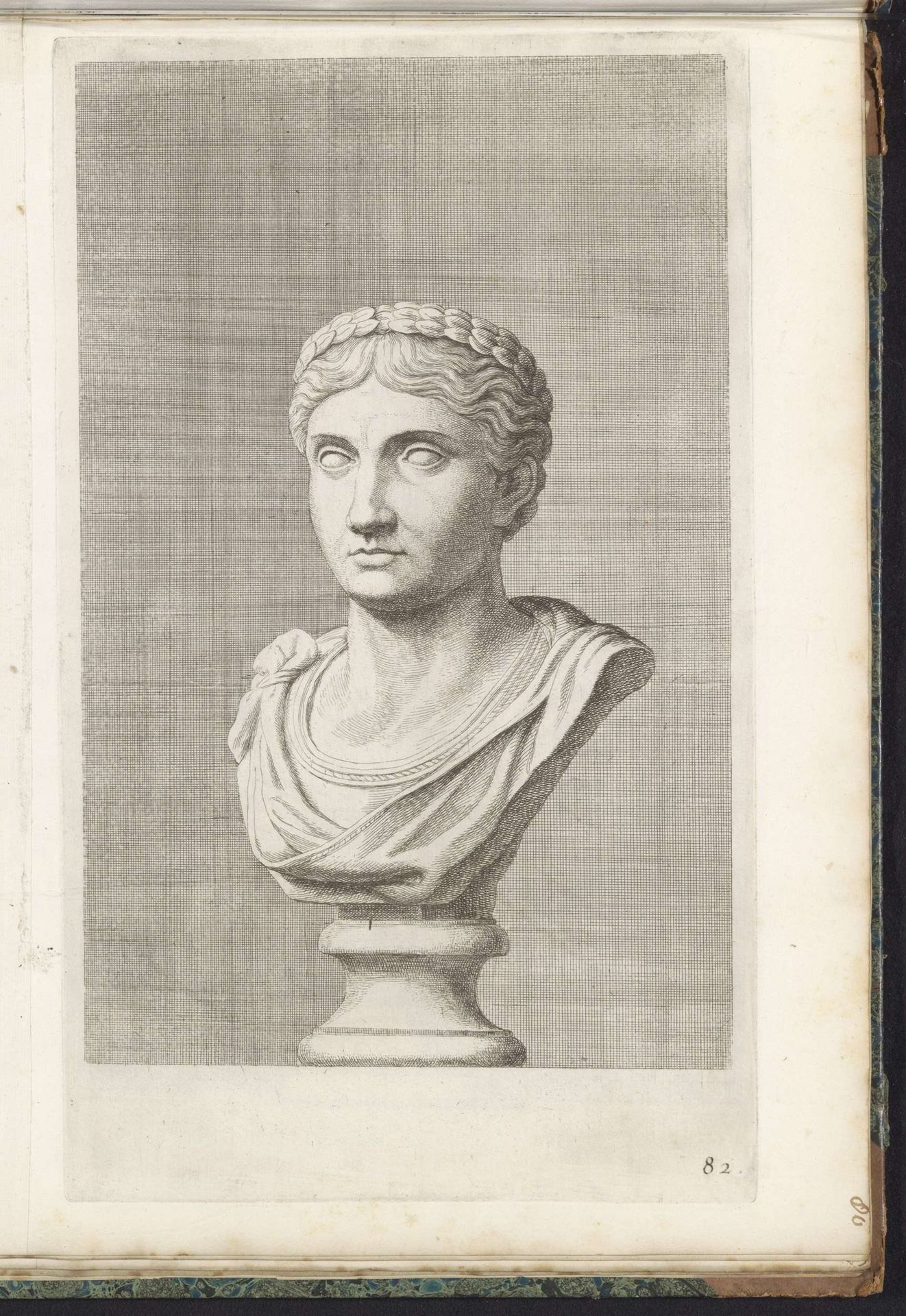
This print, by Hubert Quellinus, depicts a bust of a young man with a laurel wreath. It was made using engraving, a printmaking technique in which lines are incised into a metal plate, which is then inked and used to create an image on paper. The material qualities of the engraving process—the sharp lines, the contrast between light and shadow—lend the artwork a precise and formal quality that speaks to the neoclassical style. This precision reflects the artist's careful labour and the technical skill required to create such detailed work. The choice of engraving, with its capacity for repeatability, speaks to a growing market for images in the 17th century and a desire to disseminate classical ideals more widely. Consider how the tradition of printmaking helped to democratize art, making it more accessible to a broader audience, and connecting the skilled labor of the artist to wider social and economic forces.
Buste van een jonge man met lauwerkrans, naar links
1646 - 1670

Hubert Quellinus
1619 - 1687Location
RijksmuseumArtwork details
- Medium
- drawing, graphite, engraving
- Dimensions
- height 325 mm, width 194 mm
- Location
- Rijksmuseum
- Copyright
- Rijks Museum: Open Domain
Tags
Comments
Share your thoughts
About this artwork
This print, by Hubert Quellinus, depicts a bust of a young man with a laurel wreath. It was made using engraving, a printmaking technique in which lines are incised into a metal plate, which is then inked and used to create an image on paper. The material qualities of the engraving process—the sharp lines, the contrast between light and shadow—lend the artwork a precise and formal quality that speaks to the neoclassical style. This precision reflects the artist's careful labour and the technical skill required to create such detailed work. The choice of engraving, with its capacity for repeatability, speaks to a growing market for images in the 17th century and a desire to disseminate classical ideals more widely. Consider how the tradition of printmaking helped to democratize art, making it more accessible to a broader audience, and connecting the skilled labor of the artist to wider social and economic forces.
Comments
Share your thoughts