1646 - 1670
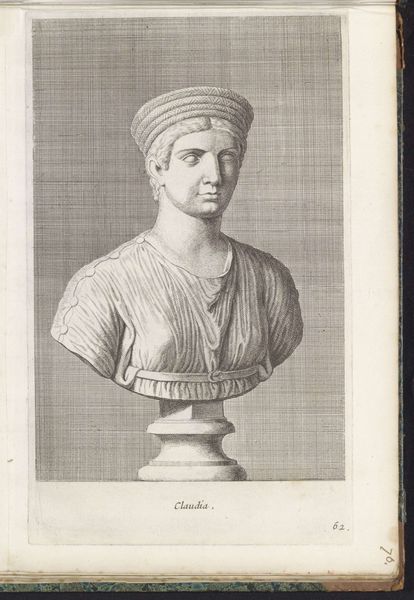
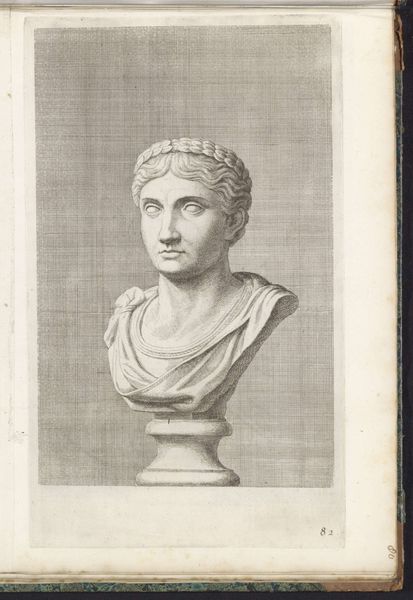
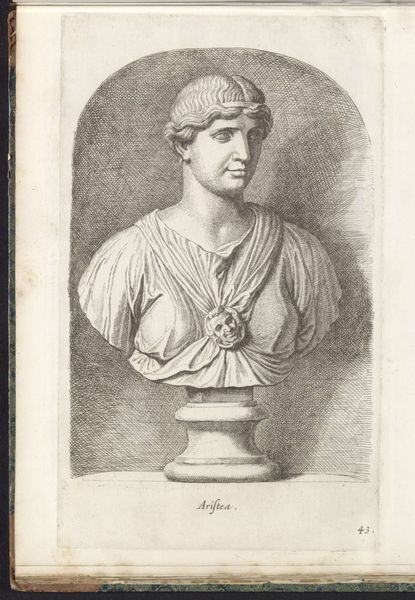
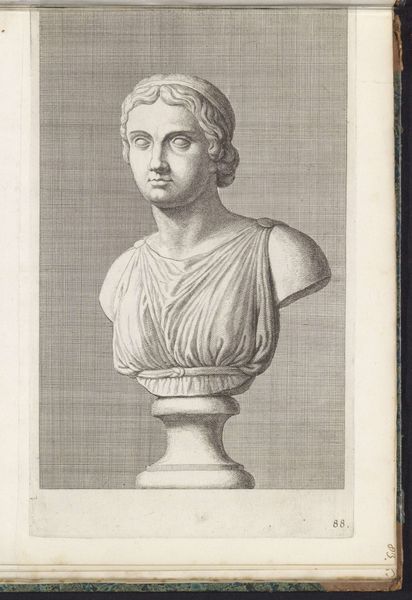
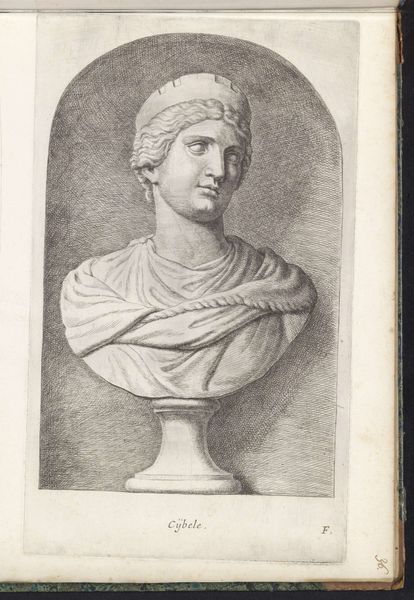
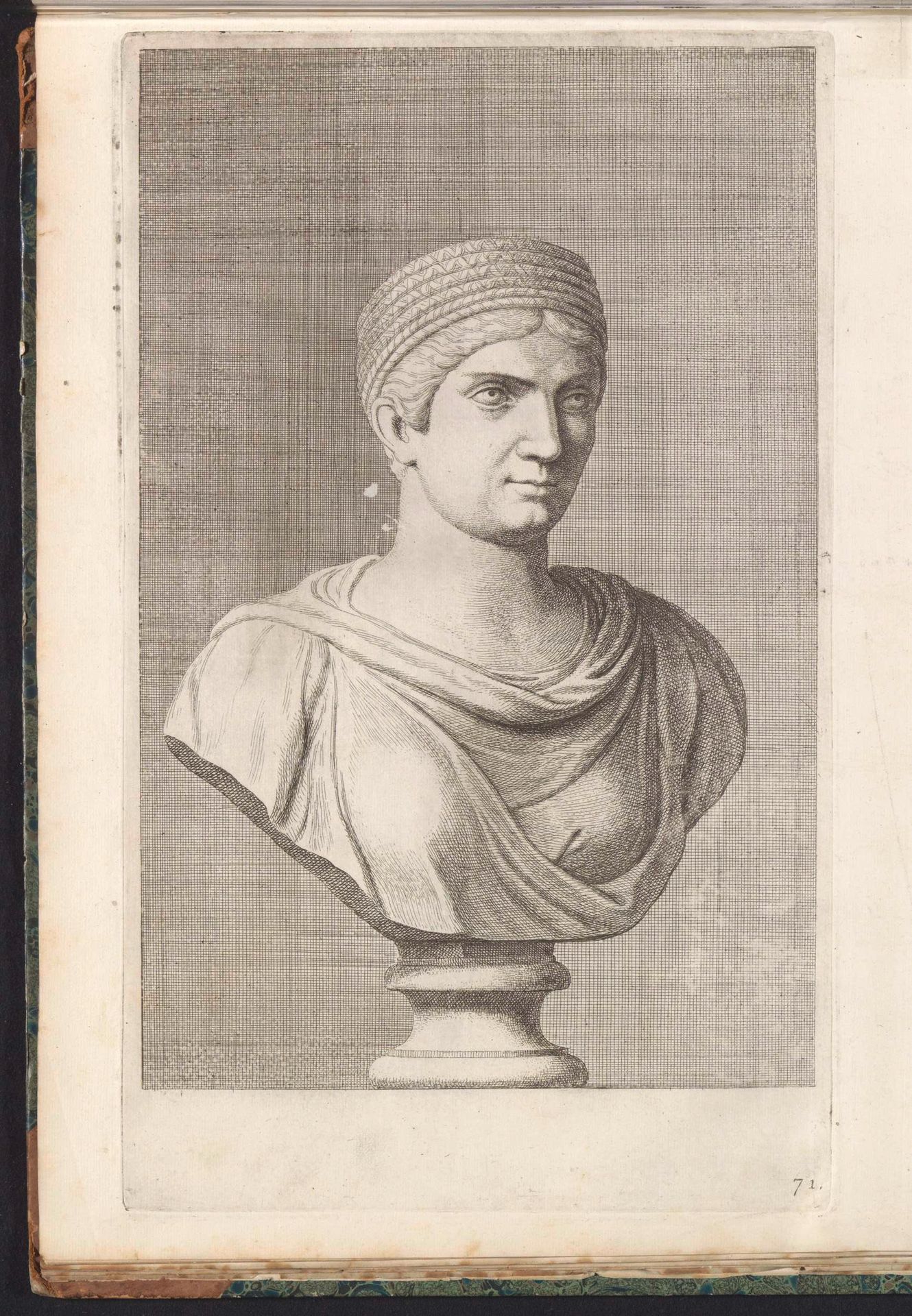
Buste van een vrouw met hoofddeksel

Hubert Quellinus
1619 - 1687Location
RijksmuseumListen to curator's interpretation
Curatorial notes
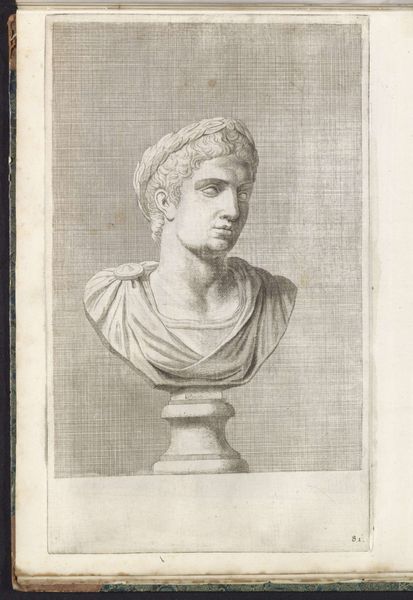
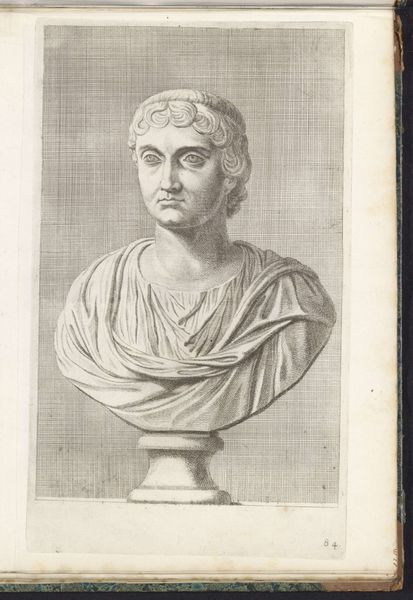
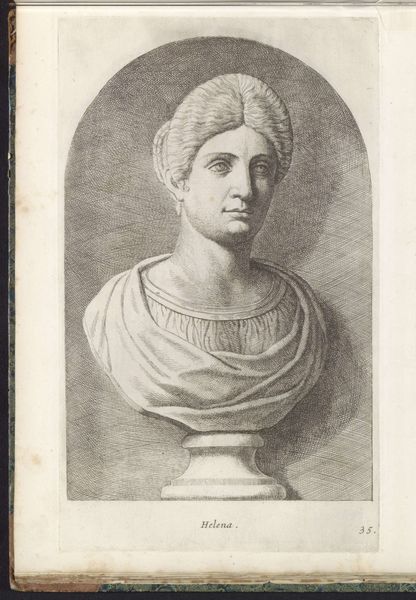
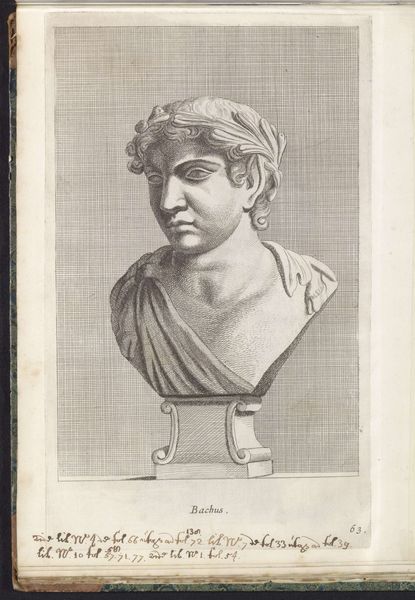
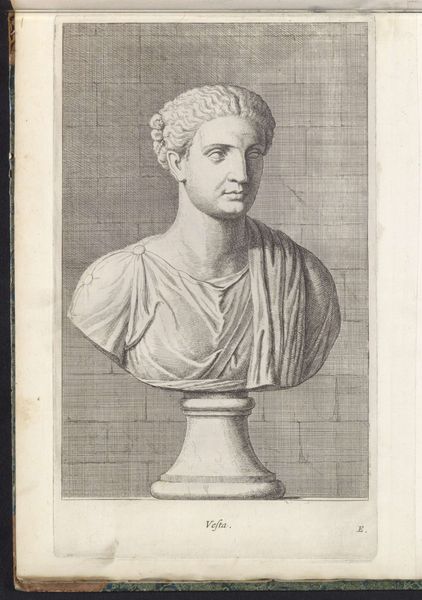
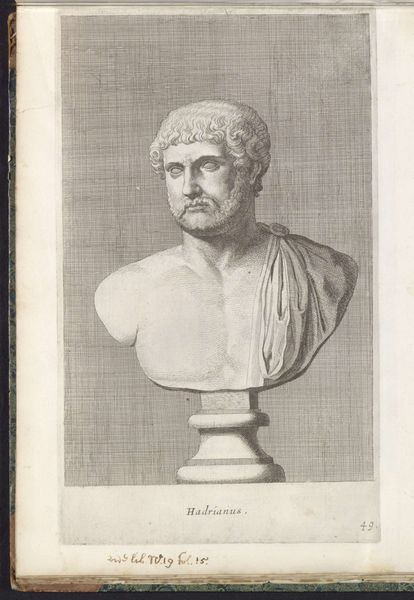
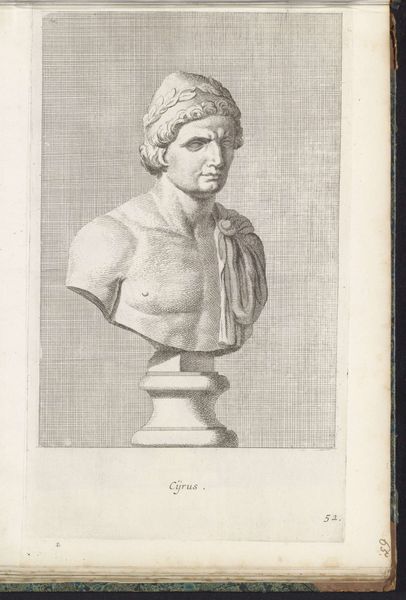
Hubert Quellinus made this print, "Bust of a woman with a headdress," sometime in the 17th century. It's a great example of how artists in the Dutch Republic looked to classical antiquity for inspiration. The woman’s serene expression and idealized features recall Roman portrait busts. But why this fascination with the past? Well, the Dutch Republic was a new nation, and artists turned to classical imagery to lend gravitas to their own society. They drew parallels between the Republic and the Roman Republic, both powerful states built on civic virtue and maritime trade. Of course, this was a selective appropriation. Artists like Quellinus focused on the glory of Rome, not its imperial excesses. By studying prints like this alongside historical texts and material culture, we can better understand how the Dutch constructed their own identity in relation to the past. The meaning of art, as always, lies in its historical context.